
Yes, religion is making a measurable comeback in American politics, particularly through evangelical Christian mobilization and the mainstreaming of religiously-coded policy language in major political movements. The 2016 presidential campaign marked a turning point: evangelical voters cast 81% of their ballots for Donald Trump despite concerns about his personal behavior, fundamentally shifting the dynamics of religious political engagement. This wasn’t a return to an earlier era when religious leaders avoided politics—it was something different. It reflected the strategic mobilization of religious voters as a distinct voting bloc with coordinated messaging on abortion, religious liberty, and school choice, combined with evangelical leaders actively advising political campaigns and occupying advisory roles within administrations. The evidence extends beyond voting patterns. Consider the language of contemporary political debate: “religious freedom” challenges to contraceptive mandates, school prayer initiatives, and references to the nation’s “Judeo-Christian heritage” in policy frameworks have become routine touchstones in executive branch discussions.
Religious rhetoric appears more frequently in campaign speeches and policy documents than it did in the 1990s or early 2000s. This represents not just religious voters participating in politics—which they always have—but rather religion becoming an organizing principle for political coalitions and a justification for specific policy outcomes. The comeback also reflects demographic and strategic shifts. Mainline Protestant denominations have declined while evangelical churches have grown and consolidated political power. Meanwhile, secular and religiously unaffiliated voters have simultaneously increased as a share of the electorate, creating starker divisions along religious lines. The political parties have sorted themselves partly along religious identity: evangelical Protestants, Catholics in certain regions, and traditionally religious voters increasingly align with Republicans, while secular voters and religious minorities lean Democratic.
Table of Contents
- Where Did Religion’s Political Influence Go?
- The Evangelical Renaissance and Political Realignment
- Religion’s Direct Impact on Policy Implementation
- The Growing Political Backlash and Secular Mobilization
- The Partisan Sorting of Religious Identity
- Comparative International Perspectives on Religious Political Revival
- The Uncertain Future of Religion in American Politics
- Conclusion
Where Did Religion’s Political Influence Go?
For much of the late 20th century, particularly from the 1970s onward following the rise of the religious right during the Reagan years, religious political engagement appeared institutionalized but not dominant. The Christian Coalition and Focus on the Family mobilized voters, but religious rhetoric was often subordinated to economic messaging (tax cuts, deregulation) or national security concerns. Major party candidates frequently avoided direct religious appeals and instead emphasized secular policy rationales. By the early 2000s, some analysts predicted the declining political salience of religion due to rising secular demographics and the normalization of cultural issues like divorce and premarital sex.
This prediction proved premature. The 2008 and 2012 elections showed religious voters consolidating Republican support, but without the same fervent public mobilization seen in earlier decades. The period from roughly 2010-2015 saw what might be called a quiet period—religious voters remained politically relevant, but they weren’t driving headlines or shaping campaign narratives in the way they had during earlier culture war flashpoints. This created a perception that religion was fading from politics, when in fact voting patterns remained religiously structured even as media attention shifted.
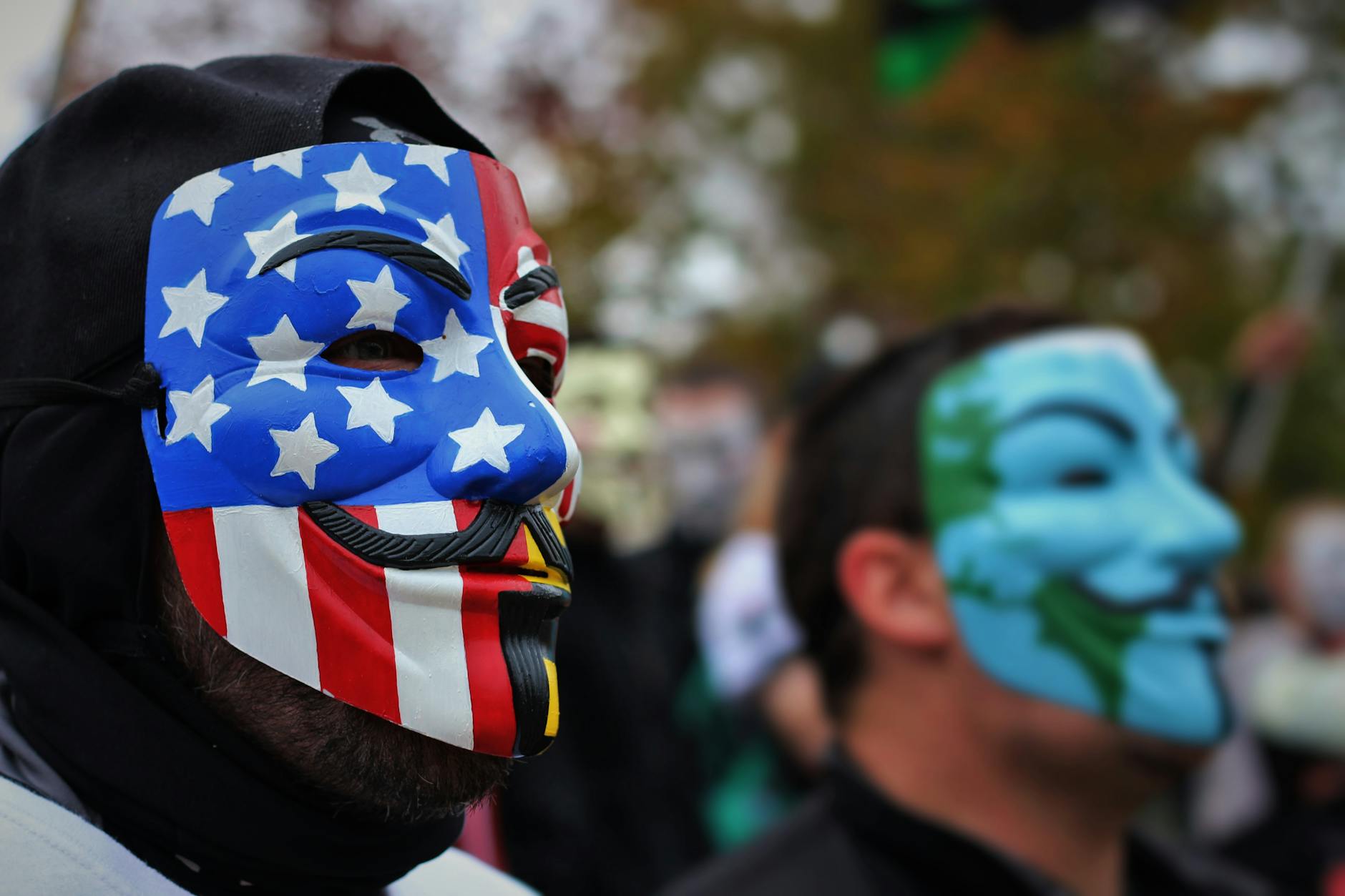
The Evangelical Renaissance and Political Realignment
The 2016 election catalyzed what can only be described as an evangelical political renaissance, though one quite different from the moral majority messaging of the 1980s. Rather than leading with cultural moral arguments, evangelical leaders and voters embraced trump largely through the prism of judicial appointments, particularly the Supreme Court’s role in abortion and religious liberty cases. White evangelical church attendance didn’t increase—if anything it continued declining—but electoral mobilization through churches and religious organizations intensified dramatically.
An estimated 41 million evangelical voters cast ballots in 2020, compared to roughly 30 million in 2004, though much of this reflects population growth. A key limitation to recognize: the evangelical voting bloc is not monolithic, and African American churches (historically the most organized religious voting constituency) maintained lower enthusiasm for Republican candidates despite some recruitment efforts. The comeback has been heavily concentrated among white evangelical Protestants and, to some extent, traditionally Democratic Catholic voting blocs in certain regions. This creates an incomplete picture if one discusses “religion in politics” generically—the comeback is specifically about certain religious groups gaining political leverage within conservative movements.
Religion’s Direct Impact on Policy Implementation
Religious considerations now openly shape executive branch decision-making in ways less visible in previous administrations. The Trump administration established a White House Faith and Opportunity Initiative, appointed evangelical advisors to cabinet positions, and used religious language and frameworks in policy justifications regarding issues ranging from immigration (citing religious duty) to healthcare (religious exemptions from contraceptive mandates). Under the Biden administration, religiously-motivated executive actions shifted direction but remained prominent—for instance, policies regarding the Equality Act and LGBTQ+ protections generated organized religious opposition that influenced implementation timelines.
Congress has similarly introduced legislation explicitly framed around religious premises. The Religious Freedom Restoration Act, passed overwhelmingly in 1993, has become a focal point in contemporary litigation involving religious exemptions to vaccine mandates, healthcare requirements, and employment discrimination standards. Courts are now regularly adjudicating cases where religious exercise claims directly conflict with anti-discrimination law—the balance between these has fundamentally shifted in religious claimants’ favor in recent Supreme Court decisions. This represents religion’s comeback manifesting not just in rhetoric but in concrete changes to how laws are interpreted and applied.

The Growing Political Backlash and Secular Mobilization
The comeback of religion in politics has generated organized opposition from secular and religious-minority constituencies. The secular vote has grown and mobilized specifically in response to what voters perceive as religious imposition. A 2022 Pew Research study found that 62% of religiously unaffiliated voters viewed the Republican Party as unfairly influenced by religious groups—the highest level of concern recorded in their surveys. This backlash has moved from defensive positioning to active mobilization, with organizations like Americans United for Separation of Church and State and the Freedom from Religion Foundation gaining membership and financial support.
A significant warning: the intensification of religious political messaging has polarized not only voters but also religious communities themselves. Many mainline and progressive religious leaders have explicitly opposed the political alignment of evangelical Protestants with Republican candidates, creating internal religious divisions. Younger evangelicals show lower political engagement than their older counterparts, suggesting the comeback may be generational and potentially temporary. Additionally, Catholic voting has become more fragmented, with younger Catholics less reliably voting according to their bishops’ political preferences than in previous eras.
📨 Get Free Accountability Coverage Alerts
Free · No spam · Unsubscribe anytime
The Partisan Sorting of Religious Identity
American politics now features stark divisions organized partly along religious lines. White evangelical Protestants cast 84% of their votes for Republican House candidates in 2022, compared to 68% in 2000. Meanwhile, religious unaffiliated voters cast 63% of their votes for Democratic House candidates in 2022, compared to roughly 50% in 2000. This partisan sorting creates a feedback loop: as religion becomes more associated with Republican politics, secular voters become more Democratic, and religious voters perceive Democratic policies as hostile to religion, increasing their Republican alignment.
This sorting extends to specific policy issues where religion shapes political identity. Abortion, school choice, and LGBTQ+ rights voting patterns correlate strongly with religious affiliation and church attendance. Notably, immigration attitudes—historically shaped by religious humanitarian frameworks—have become partisan, with immigration restriction now associated with Republican identity even among religious voters whose theological traditions emphasize welcoming strangers. This represents a fundamental shift in how religious theology translates to political behavior.
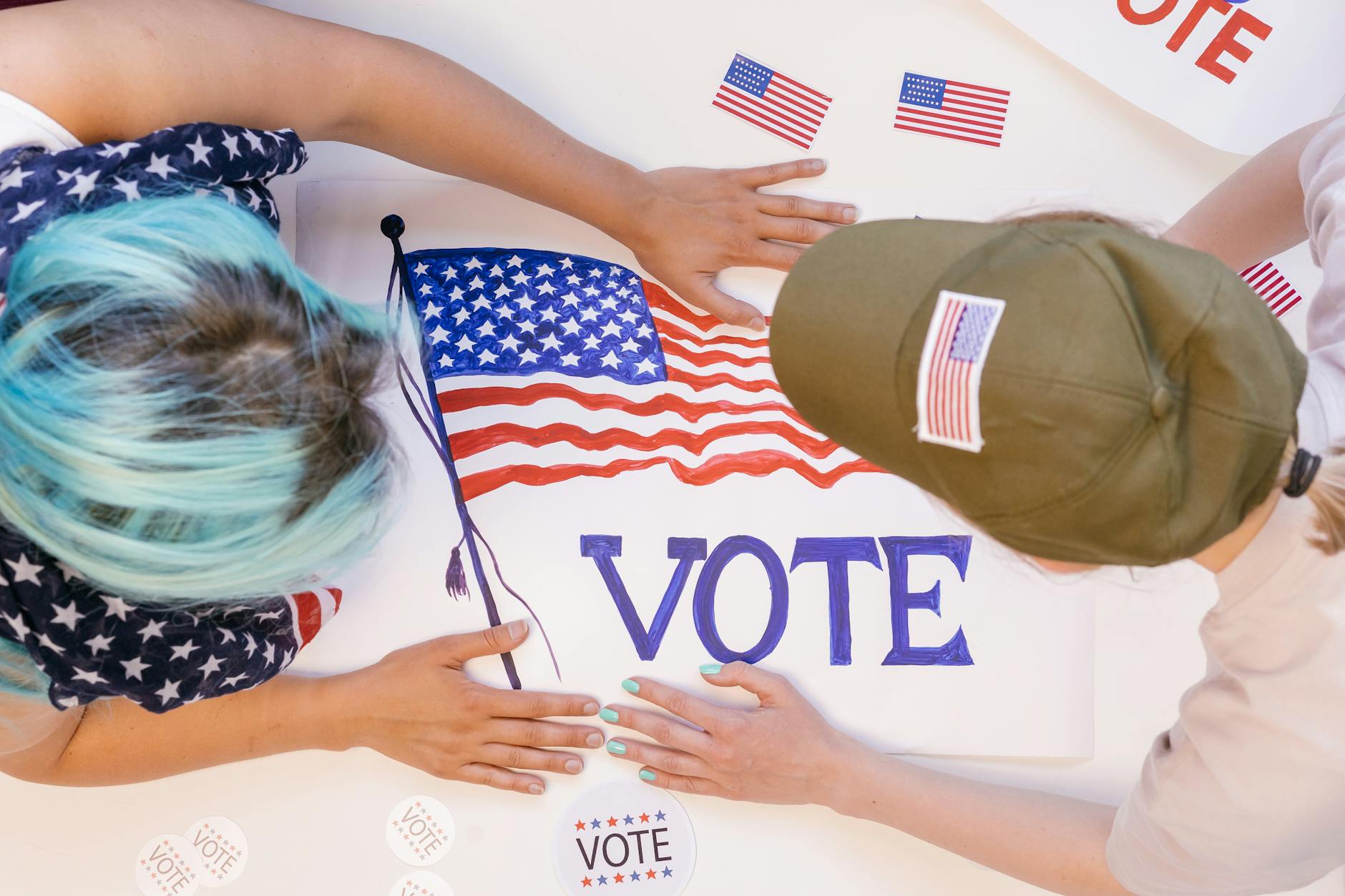
Comparative International Perspectives on Religious Political Revival
The American situation is not unique. Other democracies have experienced similar religious political revivals: Poland’s right-wing movement mobilized Catholic nationalism, India’s Hindu nationalist political movement gained power, and Hungary’s government mobilizes Christian cultural rhetoric. However, the American case differs because the comeback occurs within a secular constitutional framework that explicitly separates church and state—creating ongoing legal and constitutional tensions.
European religious political movements function within systems where church-state separation is differently constructed, giving their religious political coalitions different constraints and opportunities. This international comparison reveals a limitation in American discourse: when observers describe religion “making a comeback,” they often mean it’s becoming a more explicit organizing principle for conservative political coalitions. In many democracies, this would be unremarkable; what’s notable in the American context is the degree to which it had been rhetorically downplayed or privatized in the mid-to-late 20th century. The comeback represents normalization of religious political language and organization, not an unprecedented injection of religion into previously secular political life.
The Uncertain Future of Religion in American Politics
Predicting religion’s political trajectory is hazardous given recent surprises. However, several developments suggest the comeback may be reaching a plateau or facing headwinds. Younger voters across all religious traditions are less likely to affiliate with churches, vote according to religious cues, or support religiously-justified policy positions. The religiously unaffiliated population continues growing, now representing 23% of American adults according to recent Pew surveys.
Simultaneously, court decisions may be shifting: recent abortion jurisprudence (post-Dobbs decision allowing state restrictions) may paradoxically reduce abortion’s salience as a voting issue, which was perhaps the primary driver of evangelical-Republican alignment. Looking forward, religion’s political role will likely remain significant but increasingly contested. The mobilization of religious voters that characterizes current politics requires ongoing organizational effort and institutional support—it doesn’t sustain itself through demographics. As evangelical denominations continue declining in absolute numbers and younger evangelicals show less political alignment with their parents’ choices, the specific form of religion’s political comeback we’ve witnessed since 2016 may evolve or weaken, though religious concerns will likely remain relevant to politics in some form.
Conclusion
Religion is unquestionably more visible, organized, and politically consequential in 2026 than it appeared to be in 2000 or 2010. This comeback is real, measurable, and has changed how political campaigns operate, how policies are justified, and how voters organize themselves. The evangelical Protestant political mobilization, the mainstreaming of religious liberty rhetoric in policy debates, and the explicit use of religious advisors and appointments represent a significant shift in American political culture.
This is not, however, a return to an earlier era when religion was more private or less political—rather, it reflects deliberate mobilization strategies and demographic realignment. Understanding this comeback requires distinguishing between different religious communities and recognizing that backlash is building simultaneously. The future trajectory remains uncertain: younger voters are less religiously engaged, the political parties continue sorting along religious lines creating sharper divisions, and legal challenges to religiously-justified policies are mounting. Observers should track not just whether religion remains salient in politics, but how its specific manifestations—the particular religious voices heard, the specific policy frameworks used, and the demographic base supporting religious political mobilization—continues to evolve.
You Might Also Like
- Could a New Pope Influence US Politics?
- Would Don Jr. Ever Run for President?
- Why Young Adults Feel Locked Out of the American Dream