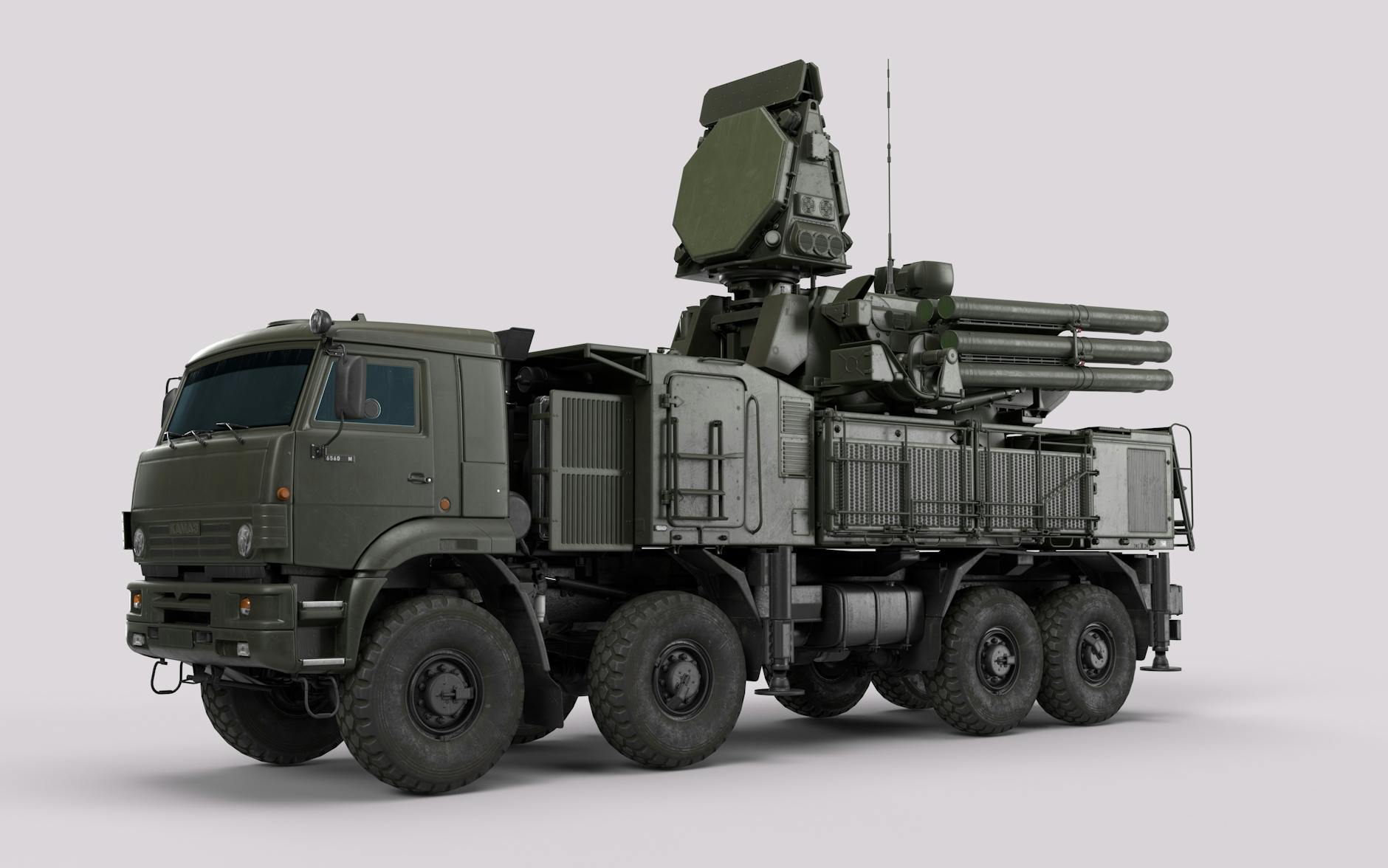
On February 28, 2026, the United States and Israel launched simultaneous large-scale military strikes against Iran’s ballistic missile production infrastructure in what may be the most significant combined aerial offensive in the Middle East in decades. The U.S. operation, codenamed Operation Epic Fury, involved ATACMS tactical missile launches against Revolutionary Guard command facilities, air defense systems, missile and drone launch sites, and military airfields. Israel’s parallel operation, Roaring Lion, sent approximately 200 fighter jets — the largest combat sortie in Israeli Air Force history — dropping over 1,200 munitions across 24 of Iran’s 31 provinces.
The strikes targeted a sprawling network of ballistic missile launch bases, production facilities, and drone sites in cities including Tehran, Isfahan, Kermanshah, Tabriz, Qom, Karaj, Shahroud, Hamadan, Shiraz, and Bushehr. But whether the operation actually crippled Iran’s missile program remains an open and urgent question. Iran retaliated almost immediately with ballistic missiles aimed at Israel and 27 U.S. military bases across the Middle East, which itself suggests that significant portions of its arsenal survived. This article breaks down what was targeted, what damage was confirmed, what Iran still has in its stockpile, and what the realistic limitations of airstrikes against deeply buried missile infrastructure look like.
Table of Contents
- What Ballistic Missile Production Sites Were Hit in the Coordinated Strikes?
- How Large Is Iran’s Remaining Missile Arsenal After the Strikes?
- Why Underground “Missile Cities” Make Full Destruction Nearly Impossible
- Iran’s Retaliation and What It Reveals About Surviving Capability
- What Are the Stated U.S. Objectives and Can Airstrikes Achieve Them?
- The June 2025 War and Why It Matters for Context
- What Comes Next for the U.S.-Iran Confrontation
- Conclusion
- Frequently Asked Questions
What Ballistic Missile Production Sites Were Hit in the Coordinated Strikes?
The target list reads like a tour of Iran’s entire missile industrial complex. Isfahan, widely regarded as the critical hub of Iran’s missile program due to its concentration of production plants and research facilities, was heavily targeted. Shahroud, home to Iran’s solid-fuel missile production capabilities, also took significant hits. These two cities represent the backbone of Iran’s ability to manufacture the medium- and long-range ballistic missiles that have concerned Western and Israeli defense officials for years. Beyond production facilities, the strikes also went after the operational side — launch bases, drone staging areas, and the Revolutionary Guard command infrastructure that would coordinate any missile campaign.
The scope was genuinely massive. Hitting targets across 24 of 31 provinces is not a surgical strike — it is a campaign designed to degrade every node in the missile supply chain, from manufacturing to command and control to launch capability. The U.S. contribution focused on precision munitions including ATACMS tactical missiles, with CENTCOM later releasing footage of the launches. Israel’s 200-aircraft sortie aimed to overwhelm iranian air defenses through sheer volume, delivering 1,200 munitions in what Israeli planners clearly treated as a decisive rather than limited operation.
How Large Is Iran’s Remaining Missile Arsenal After the Strikes?
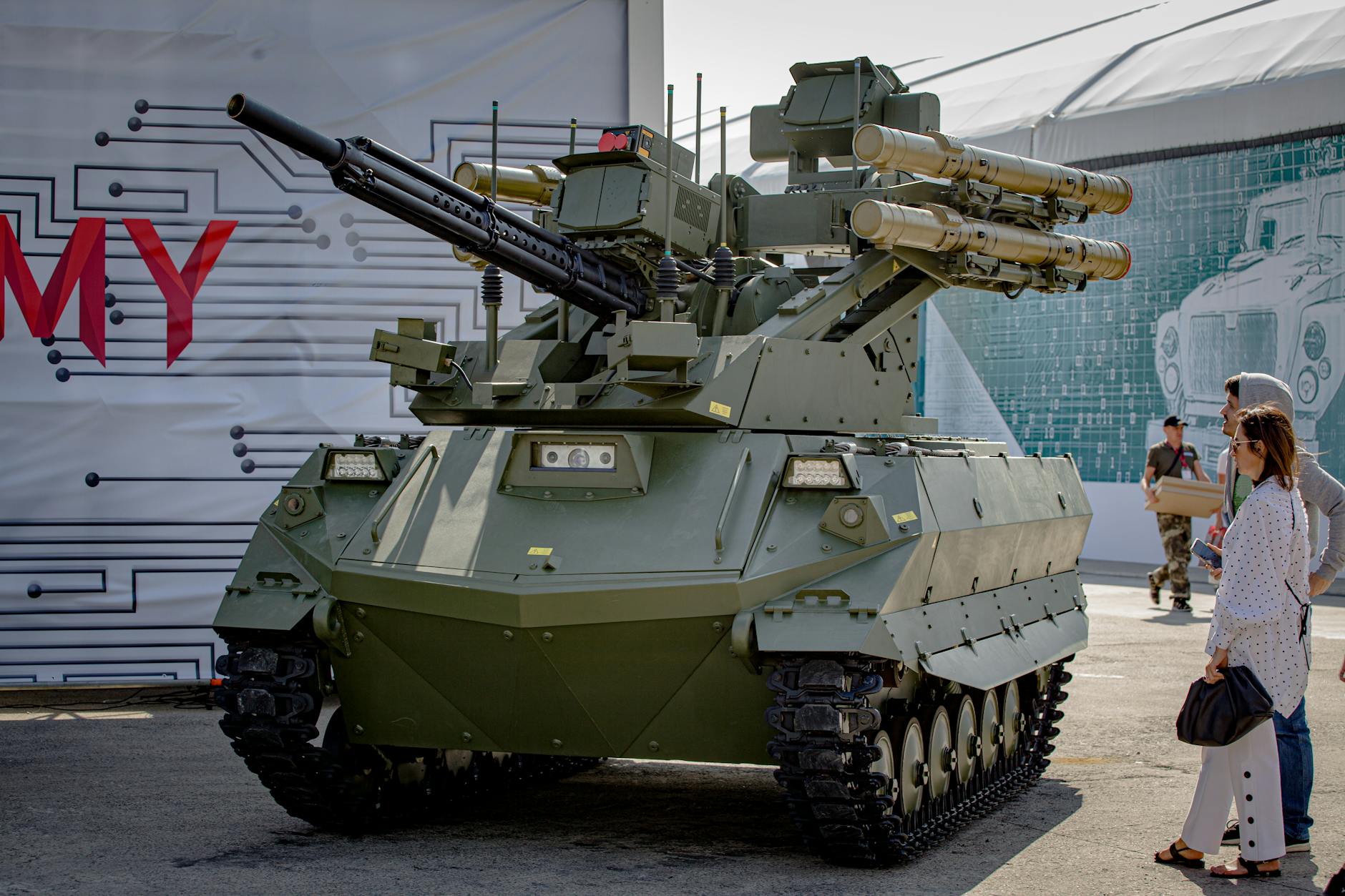
Before the February 2026 strikes, the IDF assessed that iran possessed approximately 2,500 ballistic missiles. That number itself represented a significant reduction from earlier stockpiles. Prior to the June 2025 conflict between israel and Iran, Tehran had reportedly aimed to grow its arsenal from roughly 3,000 missiles to 8,000 within two years — an ambitious production goal that the June 2025 war disrupted. During that earlier conflict, Israel destroyed key planetary mixers used in solid-fuel missile production, forcing Iran back to older, slower manufacturing methods. However, even degraded production capacity is not zero production capacity.
As of late 2025, Iran was manufacturing approximately 100 ballistic missiles per month using those older methods. Israeli defense officials have warned that if production continues at or near this rate, Iran could possess at least 5,000 ballistic missiles by the end of 2027. The critical caveat here is that the February 2026 strikes targeted production facilities specifically, so that monthly output figure may no longer be accurate. But confirming actual destruction of manufacturing capability — versus damage to buildings that can be rebuilt — is a different matter entirely. The fact that Iran was able to retaliate immediately after the strikes tells us something important: a meaningful portion of its existing missile stockpile survived. Either the missiles were stored in locations that were not hit, or they were in hardened facilities that withstood the strikes, or both.
Why Underground “Missile Cities” Make Full Destruction Nearly Impossible
Iran has spent years constructing what defense analysts call “missile cities” — vast underground complexes buried hundreds of meters beneath the Zagros Mountains. These facilities were designed specifically to survive exactly the kind of aerial campaign that Operation Epic Fury and Roaring Lion represent. No amount of precision-guided munitions dropped from aircraft can penetrate hundreds of meters of mountain rock. The deepest bunker-busting bombs in the U.S. arsenal, including the GBU-57 Massive Ordnance Penetrator, have limits that Iran’s military engineers have studied carefully. This is the fundamental strategic problem.
You can destroy above-ground production facilities, launch pads, and command buildings. You can crater runways and knock out air defense radar. But the missiles already manufactured and stored deep underground remain largely beyond the reach of airpower. It is the same challenge that has plagued discussions about striking Iran’s nuclear facilities for years — the physics of rock versus explosives do not change because the political will to strike has arrived. After the June 2025 war, Iran’s above-ground missile launch bases showed clear signs of reconstruction within months. Satellite imagery confirmed that Iran moved quickly to rebuild what had been destroyed, suggesting that the industrial base and engineering talent to reconstitute these facilities remained intact. There is no reason to believe the pattern will be different after February 2026 unless something more permanent prevents reconstruction — whether sustained follow-up strikes, regime collapse, or a negotiated agreement.
Iran’s Retaliation and What It Reveals About Surviving Capability
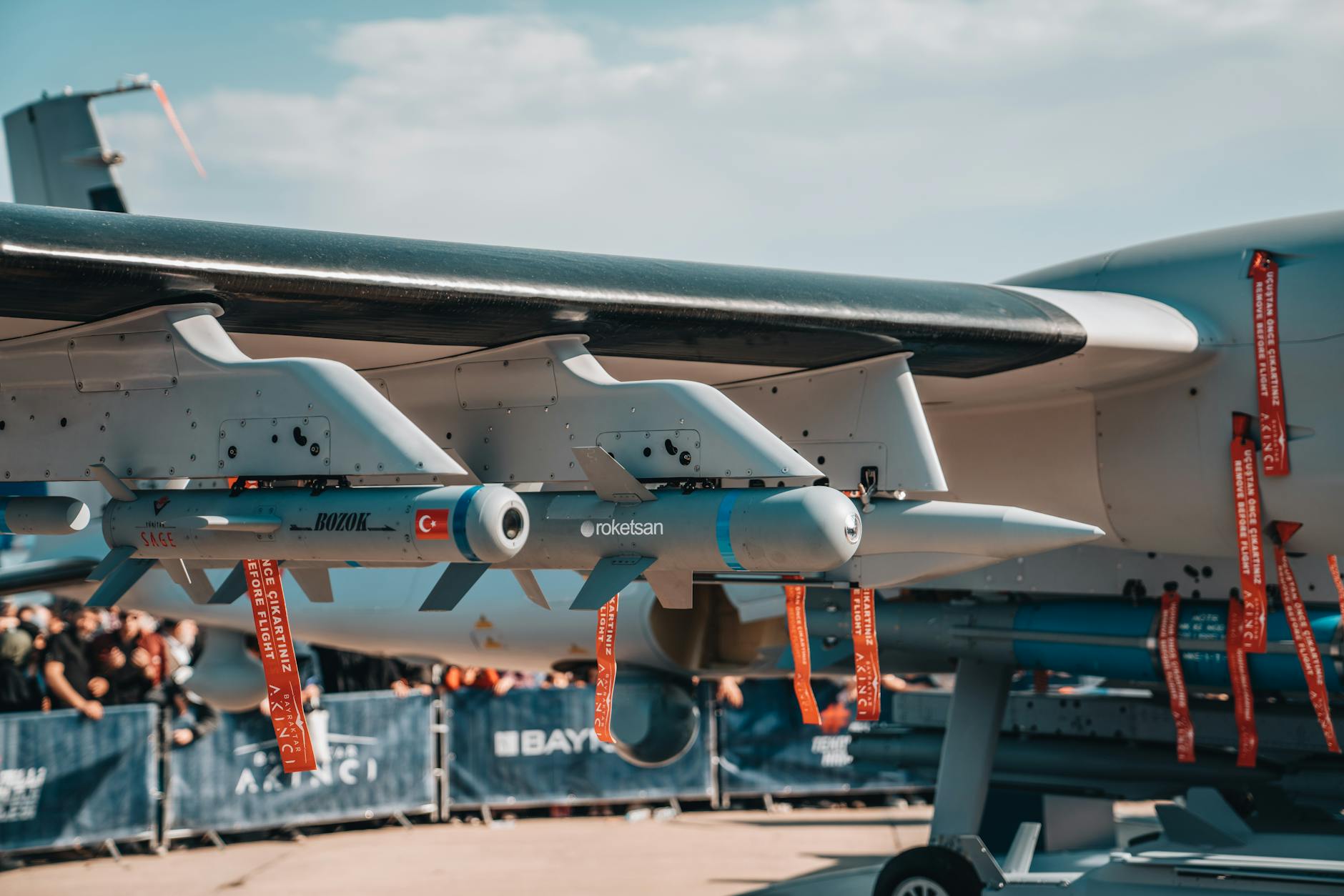
The speed and scale of Iran’s retaliatory strikes provide the most telling evidence about what survived. Tehran launched missiles and drones at Israel and at 27 U.S. military bases spread across Jordan, Kuwait, Bahrain, Qatar, Iraq, Saudi Arabia, and the UAE. This was not a token response. Targeting American installations in seven countries simultaneously requires a functioning command structure, operational launch platforms, and available missile inventory — all of which were supposedly being destroyed at the time. The human cost was real. A ballistic missile struck Beit Shemesh, Israel, on March 1, killing eight people and injuring approximately 20.
The U.S. military, for its part, reported no American casualties and minimal damage despite what it described as “hundreds of Iranian missile and drone attacks.” The disparity between Israeli and American casualty figures likely reflects differences in missile defense coverage, base hardening, and the types of missiles directed at each target set. The tradeoff here is worth stating plainly. The strikes unquestionably degraded Iran’s missile infrastructure. But they did not eliminate Iran’s ability to wage a missile war — not even close. The retaliation proved that. Any honest assessment of Operation Epic Fury has to weigh what was destroyed against what Iran demonstrated it still possessed within hours of being hit.
What Are the Stated U.S. Objectives and Can Airstrikes Achieve Them?
President Trump laid out four objectives for the military action against Iran: prevent Iran from acquiring a nuclear weapon, destroy its missile arsenal and production sites, degrade its proxy networks, and annihilate its navy. He also stated a political goal of regime change. Each of these objectives carries a different degree of achievability through airpower alone, and it is worth being direct about which ones are realistic. Degrading missile production and destroying above-ground launch infrastructure is achievable in the short term and appears to have been accomplished to some degree. Eliminating the entirety of a 2,500-missile arsenal through airstrikes is not achievable given the underground storage complexes.
Preventing nuclear weapons acquisition through strikes alone has been debated by military planners for two decades, and the consensus among most nonproliferation experts is that strikes can delay but not permanently prevent a determined state from reaching nuclear capability. Regime change through external military action has a well-documented track record in the region, and it is not encouraging. The risk that deserves the most attention is escalation without resolution. If the strikes degraded but did not destroy Iran’s missile capability, and Iran is already retaliating against U.S. bases across the region, then the operation may have initiated an extended conflict rather than a decisive one. That is not necessarily an argument against the strikes — there may be sound strategic reasons for accepting that risk — but anyone following this situation should understand that “mission accomplished” is nowhere on the immediate horizon.

The June 2025 War and Why It Matters for Context
The February 2026 strikes did not happen in a vacuum. The June 2025 conflict between Israel and Iran had already targeted key elements of Iran’s missile production infrastructure, including the planetary mixers essential for solid-fuel missile manufacturing. That earlier operation forced Iran to revert to older production methods, cutting its manufacturing efficiency but not stopping production. Iran was still turning out roughly 100 missiles per month by late 2025.
📨 Get Free Accountability Coverage Alerts
Free · No spam · Unsubscribe anytime
This matters because it establishes a pattern: strike, rebuild, strike again. Israel destroyed critical equipment in June 2025. Iran adapted and resumed production within months. The February 2026 strikes hit harder and broader, but the underlying dynamic — Iran’s institutional knowledge, engineering talent, and strategic commitment to its missile program — has not been eliminated. Unless the production workforce and technical expertise are addressed (which airstrikes generally do not accomplish), the manufacturing capacity tends to regenerate.
What Comes Next for the U.S.-Iran Confrontation
The immediate trajectory depends on whether the current exchange escalates into a sustained conflict or whether some form of de-escalation emerges. Iran has demonstrated both the willingness and the remaining capability to strike back, targeting not just Israel but American installations across seven countries. The U.S. has reported no casualties so far, but the breadth of Iran’s target list — 27 bases — suggests Tehran is prepared to widen the war if pressed.
The longer-term question is whether repeated strikes can outpace Iran’s ability to rebuild. Israeli officials have warned that Iran could reach 5,000 ballistic missiles by the end of 2027 if production continues. If the February 2026 strikes significantly damaged production infrastructure, that timeline may extend. But the underground missile cities, the institutional knowledge, and Iran’s strategic determination to maintain a credible deterrent all argue against assuming the missile problem has been solved. This is likely the beginning of a prolonged confrontation, not the end of one.
Conclusion
The coordinated U.S.-Israeli strikes of February 28, 2026, represent the most extensive military operation against Iran’s missile infrastructure ever conducted. Operation Epic Fury and Operation Roaring Lion together hit targets across 24 Iranian provinces, striking production facilities in Isfahan and Shahroud, launch bases, command centers, and air defense systems. The scale was unprecedented — 200 Israeli jets, over 1,200 munitions, plus American ATACMS precision strikes. But scale is not the same as finality.
Iran’s immediate retaliation against Israeli cities and 27 U.S. bases across the Middle East demonstrated that significant military capability survived. The underground missile cities beneath the Zagros Mountains remain largely impervious to airstrikes. Iran’s pre-strike arsenal of approximately 2,500 ballistic missiles was not fully destroyed, and the country’s ability to manufacture replacements — even at reduced capacity — means the missile threat is degraded, not eliminated. Anyone following this situation should prepare for a prolonged and unpredictable confrontation, not a clean resolution.
Frequently Asked Questions
How many ballistic missiles did Iran have before the February 2026 strikes?
The IDF assessed Iran possessed approximately 2,500 ballistic missiles at the time of the February 2026 strikes. This was already reduced from an estimated 3,000 prior to the June 2025 conflict.
Were any U.S. military personnel killed in Iran’s retaliatory strikes?
The U.S. military reported no American casualties and minimal damage despite what it described as hundreds of Iranian missile and drone attacks targeting 27 U.S. bases across the Middle East.
What is Operation Epic Fury?
Operation Epic Fury is the U.S. military codename for the February 28, 2026 strikes against Iranian military targets, including Revolutionary Guard command facilities, air defense systems, missile and drone launch sites, and military airfields.
Can airstrikes destroy Iran’s underground missile storage facilities?
Iran has built vast missile cities buried hundreds of meters beneath the Zagros Mountains. Current air-delivered munitions, even the largest bunker busters, have limited penetration depth, making full destruction of these underground facilities extremely difficult from the air alone.
How quickly can Iran rebuild its missile production capacity?
After the June 2025 war destroyed key production equipment, Iran resumed manufacturing approximately 100 ballistic missiles per month within months using older methods. Above-ground launch bases also showed clear signs of reconstruction within months of being struck.
What were President Trump’s stated objectives for the strikes?
President Trump outlined four military objectives — preventing Iran from acquiring nuclear weapons, destroying its missile arsenal and production sites, degrading its proxy networks, and annihilating its navy — plus a stated political goal of regime change.
You Might Also Like
- Iran Tried to Rebuild Its Nuclear Program After Last Year’s Strikes — So Trump Hit Them Again
- Trump Warns Iran: Hit Us Again and You’ll Face “A Force That Has Never Been Seen Before”
- Trump Monitored Strikes From a Makeshift Situation Room at Mar-a-Lago