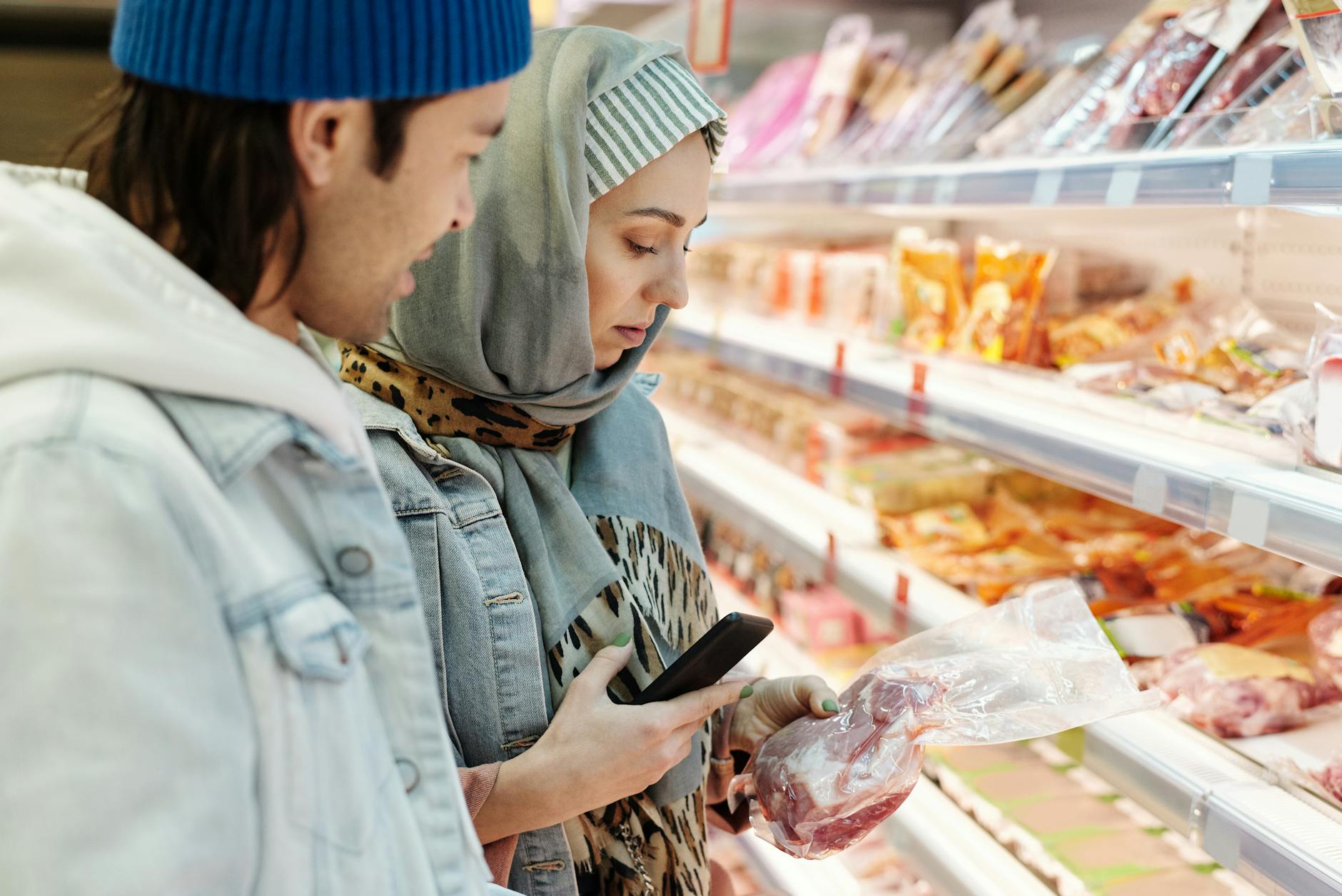
If you bought beef products made from chuck, loin, rib, or round cuts between August 1, 2014 and December 31, 2019, you may be entitled to a cash payment from an $87.5 million settlement. Tyson Foods and Cargill have agreed to pay $55 million and $32.5 million respectively to resolve allegations that they conspired with other major beef processors to artificially inflate beef prices by limiting cattle supply. No proof of purchase is required to file a claim, and the deadline to submit is June 30, 2026 at OverchargedForBeef.com.
The case, formally known as Consumer Indirect Beef Litigation, was filed in 2019 in Minnesota federal court. It names four of the largest beef processors in the country — Tyson Foods, Cargill, JBS USA, and National Beef Packing Company — and accuses them of coordinating to reduce the number of cattle slaughtered in the United States, which drove up prices at the grocery store. JBS separately settled for $83.5 million, while litigation against National Beef Packing continues. This article breaks down who qualifies, which states are eligible, how to file, and what you can realistically expect to receive.
Table of Contents
- What Is the $87.5 Million Beef Price-Fixing Settlement and Do You Qualify?
- Which States Are Eligible and What If You Moved?
- How Much Money Will Each Claimant Actually Receive?
- How to File a Claim Before the June 30, 2026 Deadline
- Objection Rights and What Could Delay the Settlement
- The Broader Beef Antitrust Litigation — JBS and National Beef
- What This Case Means for Meat Industry Accountability
- Conclusion
- Frequently Asked Questions
What Is the $87.5 Million Beef Price-Fixing Settlement and Do You Qualify?
The core allegation is straightforward: the country’s dominant beef processors agreed among themselves to limit how many cattle they slaughtered, reducing the overall beef supply and pushing consumer prices higher than they would have been in a competitive market. The class period runs from August 1, 2014 through December 31, 2019 — roughly five and a half years during which millions of American households were purchasing beef at what the lawsuit claims were artificially inflated prices. None of the defendants have admitted wrongdoing as part of their settlements.
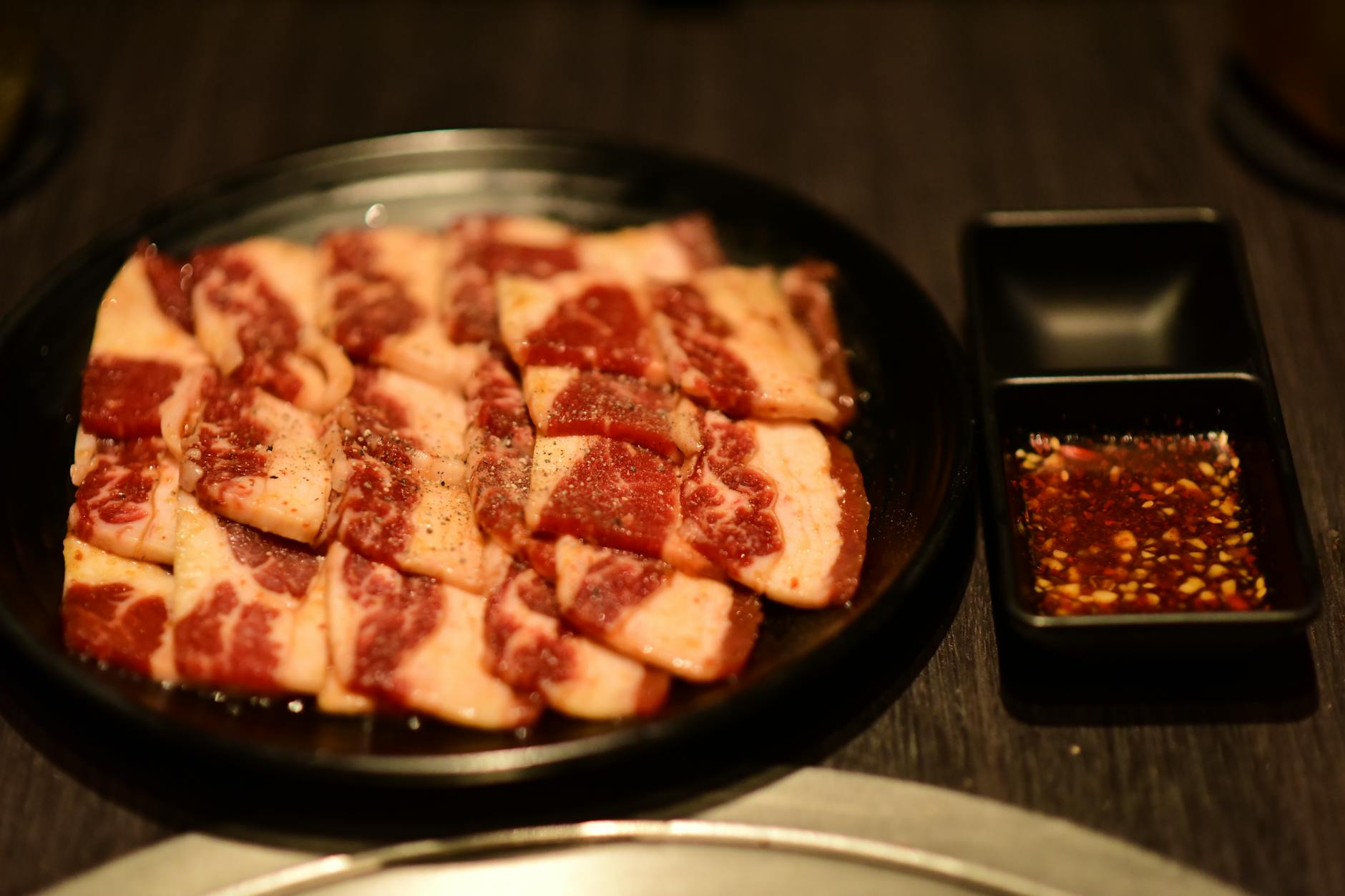
To qualify, you must have purchased beef products derived from chuck, loin, rib, or round primal cuts — whether fresh or frozen — for personal, family, or household use during that period. Commercial purchases for resale do not count. So if you were buying steaks, roasts, or ground beef from the grocery store to feed your family, you likely fall within the class definition. However, there is a significant geographic limitation: only residents of 28 states and the District of Columbia are eligible to file claims.
Which States Are Eligible and What If You Moved?
The settlement covers consumers in Arizona, California, the District of Columbia, Florida, Illinois, Iowa, Kansas, Maine, Massachusetts, Michigan, Minnesota, Missouri, Montana, Nebraska, Nevada, New Hampshire, New Mexico, New York, North Carolina, North Dakota, Oregon, Rhode Island, South Dakota, Tennessee, Utah, West Virginia, and Wisconsin. If you lived in one of these jurisdictions during the class period and purchased qualifying beef products there, you are eligible regardless of where you live now.
However, if you lived in a state not on that list — Texas, Georgia, Pennsylvania, Ohio, or Virginia, for example — you are not part of this settlement class. This is a common limitation in indirect purchaser antitrust cases because not all states have laws that allow consumers (as opposed to direct wholesale buyers) to sue for antitrust violations. If you purchased beef in a non-qualifying state, even in large quantities, you have no claim here. It is also worth noting that the eligible jurisdictions may differ for the separate JBS settlement, so check the official site carefully if your state is on the border of eligibility.
How Much Money Will Each Claimant Actually Receive?
This is the question everyone wants answered, and the honest answer is: nobody knows yet. Payments are distributed on a pro-rata basis, meaning the total settlement fund is divided among all valid claimants proportional to the amount of qualifying beef each person purchased during the class period. If relatively few people file claims, individual payments could be meaningful. If millions file, the per-person amount will be modest. For context, consider the math.
The Tyson and Cargill settlements total $87.5 million, but after attorneys’ fees and administrative costs, the net fund available to claimants will be smaller. If one million people file claims, the average payout before fees might land in the range of tens of dollars. If ten million file, it drops to single digits. This is typical of consumer antitrust settlements — the harm was spread across millions of households over years, so the per-person recovery is rarely life-changing. That said, filing takes minutes and requires no proof of purchase, so there is little reason not to submit a claim if you qualify.

How to File a Claim Before the June 30, 2026 Deadline
Filing is done online at www.OverchargedForBeef.com. You will need to create an account and provide basic information about your beef purchases during the class period. The critical advantage here is that no receipts or proof of purchase are required. You are essentially self-reporting your purchasing history, which lowers the barrier to filing significantly compared to settlements that demand documentation.
The tradeoff is that self-reported claims without documentation may receive less weight in the distribution formula than claims backed by purchase records. If you happen to have loyalty card data, old receipts, or credit card statements showing grocery purchases, providing that documentation could strengthen your claim and potentially increase your payout. But even without any records, you can and should file if you qualify. The claim deadline is June 30, 2026, and no payments will be distributed until after the final approval hearing scheduled for May 12, 2026 at 11:00 a.m. CDT.
Objection Rights and What Could Delay the Settlement
If you disagree with the terms of the settlement — perhaps you believe the amount is too low or the attorneys’ fees are too high — you have the right to file an objection. Objections must be postmarked by March 30, 2026, well before the final approval hearing in May. You can object and still file a claim; the two are not mutually exclusive. Be aware that objections, while a legal right, can delay the entire settlement process.
If a significant number of class members object, or if the court finds merit in the objections, the approval hearing could be continued and the timeline for payments pushed back. Settlements of this size routinely take months or even years after final approval before checks are actually mailed. If you are counting on a quick payment, temper your expectations. The legal machinery moves slowly, and distribution logistics for potentially millions of claimants add further delay.

The Broader Beef Antitrust Litigation — JBS and National Beef
The Tyson-Cargill settlement is not the only game in town. JBS USA separately agreed to pay $83.5 million to resolve its portion of the antitrust claims, and had previously agreed to pay $78 million to direct purchasers in related litigation. That means the total recovery from the three settling defendants now exceeds $170 million on the indirect purchaser side alone.
📨 Get Free Accountability Coverage Alerts
Free · No spam · Unsubscribe anytime
National Beef Packing Company, the fourth defendant, has not settled and continues to litigate the case. The fact that three of four defendants have chosen to settle — without admitting wrongdoing — suggests the plaintiffs’ evidence of coordinated supply reduction was strong enough to make continued litigation risky for the processors. If National Beef eventually settles as well, there could be additional funds available to the class.
What This Case Means for Meat Industry Accountability
The beef price-fixing litigation is part of a broader pattern of antitrust enforcement in the meatpacking industry. Similar lawsuits have targeted alleged price-fixing in pork and poultry markets, reflecting growing scrutiny of an industry dominated by a small number of massive corporations. When four companies control the vast majority of beef processing in the United States, the potential for anticompetitive coordination is inherent in the market structure.
Whether these settlements actually deter future misconduct is debatable. For companies with annual revenues in the tens of billions, settlement payments of $55 million or $83.5 million may simply represent a cost of doing business. The real question going forward is whether regulators and courts will pursue structural remedies — not just monetary ones — that address the concentration of power in American food production.
Conclusion
The $87.5 million Tyson-Cargill beef settlement offers a rare opportunity for ordinary consumers to recover some portion of what they overpaid for beef during a five-and-a-half-year period of alleged price manipulation. With no proof of purchase required and an online filing process, the barrier to participation is low. If you bought chuck, loin, rib, or round beef products between August 2014 and December 2019 in one of the 28 eligible states or D.C., filing a claim at www.OverchargedForBeef.com before June 30, 2026 is worth the few minutes it takes.
Keep your expectations realistic about the payout amount, but do not let that stop you from filing. Every claim filed reinforces the principle that anticompetitive behavior has consequences. Mark the key dates: objections by March 30, 2026, final approval hearing May 12, 2026, and claims deadline June 30, 2026.
Frequently Asked Questions
Do I need receipts or proof of purchase to file a claim?
No. The settlement does not require proof of purchase. You can file a claim based on your recollection of beef purchases during the class period, though providing documentation may strengthen your claim.
I live in Texas. Can I still file?
No. Only residents of the 28 listed states and the District of Columbia are eligible. Texas is not among them, nor are several other large states including Georgia, Pennsylvania, and Ohio.
What types of beef products qualify?
Products made from chuck, loin, rib, or round primal cuts, purchased fresh or frozen for personal, family, or household use. Commercial purchases for resale are excluded.
How much money will I get?
There is no fixed per-person amount. Payments are pro-rata, meaning your share depends on how much qualifying beef you purchased relative to all other claimants. The total payout depends on how many people file.
Is this the same as the JBS settlement?
No. JBS settled separately for $83.5 million. The $87.5 million settlement covers Tyson Foods ($55 million) and Cargill ($32.5 million). You may be eligible for both settlements — check the official site for details.
When will payments be sent out?
Not until after the court grants final approval, which is scheduled for May 12, 2026. Distribution will take additional time after that. Expect several months at minimum after the approval hearing.
You Might Also Like
- A Major Airline Agreed to a $25 Million Refund Program. Here’s Who Can File and What Proof You Need.
- A $141.8 Million Rent-Fixing Settlement Is Moving Forward. Here’s How to See If Your Landlord Is Included.
- A $10 Million Privacy Settlement Sounds Big. The Average Check May Be $27. Here’s How It’s Calculated.
Claim details: for the filing deadline, eligibility and proof requirements on this settlement, see OpenClassActions.com.