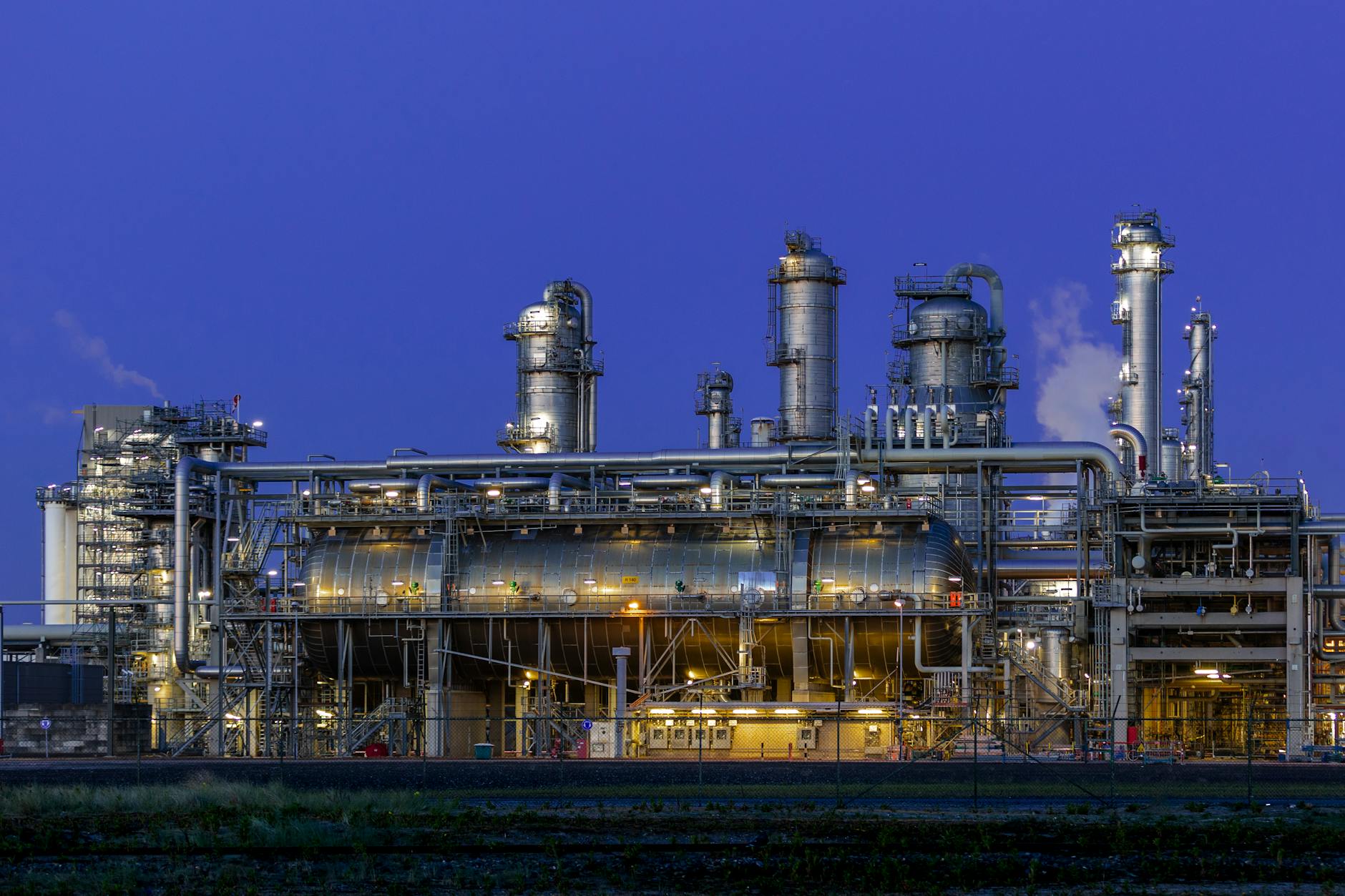
Refinery issues are directly raising gas prices across America. As of May 9, 2026, the national average for gasoline stands at $4.56 per gallon—levels not seen in years—and multiple refinery shutdowns are the primary culprit. When refineries go offline, there is less fuel produced to meet demand, creating immediate supply shortages. The BP Whiting refinery in Indiana, which processes 440,000 barrels per day, suffered a power outage that shut down a critical processing unit. Without that facility operating at full capacity, fuel that would have reached gas stations sits unprocessed, forcing prices upward. The situation is especially severe in certain regions. Michigan residents have seen prices spike to $4.86 per gallon in early May—an 85-cent jump in just one week—while diesel prices in some areas have breached $6 per gallon.
These aren’t gradual increases. They reflect the sudden loss of refining capacity hitting the market in real time. When one major refinery goes offline, competitors can increase production somewhat, but they cannot replace lost capacity overnight. The result is higher costs at every pump station dependent on that refinery’s supply. Multiple refineries are currently offline simultaneously, creating conditions not typically seen. This confluence of outages, combined with geopolitical disruptions, is the core reason prices have climbed so sharply. Understanding which refineries are down and when they might return is essential to predicting whether relief is coming or if prices will stay elevated longer.
Table of Contents
- Why Are Refinery Issues Driving Gas Prices Up?
- Multiple Refinery Outages Creating a Perfect Storm
- Geopolitical Factors Compounding the Problem
- What This Means for Your Wallet at the Pump
- When Will Prices Come Down?
- California’s Unique Vulnerability
- The Bigger Picture for Energy Policy
- Conclusion
- Frequently Asked Questions
Why Are Refinery Issues Driving Gas Prices Up?
Refineries are the middle step between crude oil and gasoline. Oil doesn’t come out of the ground ready to burn in your car—it must be processed, separated, and treated. Each major refinery can process hundreds of thousands of barrels per day. When one shuts down, that processing capacity vanishes from the market. In a balanced supply-and-demand environment, other refineries might increase production slightly to compensate, but they operate near maximum capacity already. They cannot simply decide to produce an extra 440,000 barrels per day when one facility goes down. The BP Whiting refinery outage illustrates this perfectly. A power failure caused one of its processing units to shut. A single power outage at a single facility reduced U.S.
refining capacity by nearly 1 percent. That may sound small, but in a market where supply and demand are already tight, a 1 percent reduction translates directly to inventory declines and price pressure. Gasoline futures prices reflect expectations about future supply. When refiners signal that output will be lower, futures prices rise immediately, and those increases filter through to retail pump prices within days. Refineries are expensive, complex facilities. They cannot be switched on and off like a light. Starting up a refinery after a shutdown takes weeks. Some refineries undergo planned maintenance that can last 45 days or more. During that time, no fuel is produced, and no competitor can make up the full difference. The market knows this, so prices adjust upward in anticipation.

Multiple Refinery Outages Creating a Perfect Storm
What makes the current situation dire is that several major refineries are offline at the same time. The Phillips 66 Wood River facility in Illinois, which processes 356,000 barrels per day, has been offline since late February for a 45-day maintenance period. The Marathon Petroleum Robinson refinery in Illinois, processing 253,000 barrels per day, began planned maintenance in mid-March and is not expected to return until mid-May. When these facilities are operating, they collectively represent over 600,000 barrels per day of capacity. With them offline, that fuel simply doesn’t exist. The limitation of this situation is that timing cannot be controlled perfectly. Refineries schedule maintenance during seasons when demand is expected to be lower, but markets and events don’t always cooperate.
Geopolitical disruptions, unexpected outages like BP’s power failure, and seasonal shifts in demand can occur at the same time. When that happens, refineries cannot step in quickly enough to prevent price spikes. Even if Marathon returns online in mid-May as planned and Phillips 66’s maintenance wraps up, there is no guarantee that other facilities won’t experience problems. A warning about refinery outages is that they can cascade. If one refinery is offline and competing facilities are running at maximum capacity, those facilities experience more strain. More strain increases the risk of equipment failure or problems that force temporary shutdowns. The industry operates with narrow margins. Any disruption ripples through the system.
Geopolitical Factors Compounding the Problem
The refinery issues would be manageable on their own if global energy markets were stable, but they are not. The Strait of Hormuz, through which roughly 20 million barrels per day of global oil flows, has had suspended shipping since early March 2026. That disruption is reducing the total supply of crude oil available to refineries worldwide. With less crude oil available, refineries cannot produce more fuel even if they want to. The Strait of Hormuz disruption affects the United States even though most American oil is produced domestically. Global oil prices are set globally, not locally.
When a major shipping route closes, oil prices rise everywhere. Refineries pay more for crude oil input, and those higher costs are passed to consumers at the pump. The combination of fewer refineries operating and less crude oil available creates a particularly tight market. This situation is temporary but consequential. As long as the Strait of Hormuz remains closed, global oil supplies will remain constrained. Even if all U.S. refineries returned to full operation immediately, prices would still be elevated because crude oil costs are higher.

What This Means for Your Wallet at the Pump
At $4.56 per gallon nationally, a driver filling a 15-gallon tank is paying nearly $69 just for fuel. Compare that to years when gasoline averaged $2.50 per gallon—that same tank would have cost $37.50. The difference is $31.50 per fill-up, or roughly $600 per year for someone who fills up twice monthly. Multiply that across millions of drivers, and the economic impact is substantial. Regional variations make the burden even heavier in some places. Michigan’s $4.86 per gallon price represents an even steeper cost for residents of that state. The warning here is that refinery outages are not the only factor in your pump price.
Local taxes, transportation costs, and distributor margins also affect final prices. Some states have higher fuel taxes than others, so two stations only miles apart but in different states can have noticeably different prices. Understanding that your local price reflects both wholesale fuel costs and local factors helps explain why a station three states over might have significantly cheaper gas. For drivers trying to predict when prices might fall, the realistic outlook is gradual improvement, not sudden relief. Analysts project a 20-40 cent per gallon decrease over the coming two weeks as some refinery issues ease. That would bring the national average to roughly $4.16-$4.36 per gallon—still elevated but better than current levels. However, no analyst can guarantee that timeline if new problems emerge.
When Will Prices Come Down?
The futures market provides insight into what energy traders expect. New York Harbor gasoline futures are trading at approximately $3.40 per gallon, down from a 4-year high of $3.75 reached earlier. This suggests that the market believes some relief is coming as refineries return online. However, futures prices are not predictions—they are bets, and the traders making these bets do not always get it right. The fact that futures have fallen from $3.75 to $3.40 is encouraging, but it does not guarantee that retail prices at the pump will track that decline precisely. A limitation of price relief timelines is that they assume no new disruptions. If another refinery experiences an unexpected outage, if the Strait of Hormuz situation worsens, or if weather events damage energy infrastructure, prices could rise again despite some facilities coming back online.
The current projection of 20-40 cents in relief is based on the assumption that things do not get worse. The more refineries that return to operation over the next weeks without incident, the more confidence we can have in that projection. The timeline for major relief depends on when the largest offline facilities restart. Marathon Petroleum Robinson is expected in mid-May. Phillips 66 Wood River should be wrapping up maintenance around the same time. If both return smoothly without startup problems, the market will have an additional 600,000 barrels per day of capacity. That is meaningful, though not quite enough to return prices to normal levels given other ongoing constraints.

California’s Unique Vulnerability
California faces an additional supply problem that most other states do not. Two major refineries serving that state are either offline or shutting down. Phillips 66’s Los Angeles refinery was scheduled to shut down by the end of 2025, and the Valero Benicia refinery shut down in April 2026. These two closures eliminate roughly 20 percent of California’s fuel refining capacity. Californians have not experienced acute shortages because the state has fuel imports and strategic reserves, but prices there reflect the permanent loss of that capacity.
📨 Get Free Accountability Coverage Alerts
Free · No spam · Unsubscribe anytime
The warning for California is that refining capacity will remain permanently reduced unless new facilities are built or closed ones are restarted. No new refineries are under construction in the state. Without new capacity, California’s gasoline supply depends increasingly on imported fuel from other states and countries. That import dependency will keep California prices elevated compared to other regions. In times of supply disruption, California will always be first to feel the impact.
The Bigger Picture for Energy Policy
These refinery outages and price spikes highlight a broader issue in American energy infrastructure. Refining capacity has not kept pace with demand for decades. The last major refinery built in the United States opened in 1977. Since then, the population has grown by roughly 100 million people, but refining capacity has essentially stayed flat. Environmental regulations, capital costs, and uncertain profit margins have discouraged new construction.
The result is an aging, vulnerable system operating near maximum capacity. The forward outlook is that prices will remain volatile until additional refining capacity is added or global supply disruptions ease. Policymakers have limited ability to speed up refinery construction due to permitting and environmental review processes that take years. In the near term, the best outcome is that existing refineries return online without complications, the Strait of Hormuz reopens, and markets stabilize. Without those events, higher prices could persist into the summer driving season when demand typically increases further.
Conclusion
Gas prices at $4.56 per gallon nationally are elevated primarily because multiple major refineries are offline simultaneously, combined with global disruptions in crude oil shipping through the Strait of Hormuz. The BP Whiting outage, the Phillips 66 Wood River maintenance, and the Marathon Petroleum Robinson shutdown represent hundreds of thousands of barrels per day of lost production capacity. That lost capacity directly translates to higher prices at every pump. Regional variations like Michigan’s $4.86 per gallon show how dramatically prices can vary based on local refinery dependence.
Relief is coming, but gradually. Analysts project 20-40 cents per gallon in declines over the next two weeks as some facilities return online. However, that relief assumes no new disruptions occur and that existing problems don’t worsen. Drivers should monitor local conditions, understand that refinery outages are not the only factor in pump prices, and prepare for the possibility that prices remain elevated through the summer if geopolitical disruptions continue or new problems emerge. The current situation is a reminder that energy markets are complex systems where a single facility outage or geopolitical event can affect millions of people at once.
Frequently Asked Questions
Why is one refinery’s shutdown affecting national gas prices if there are dozens of refineries in the United States?
Because refineries operate near maximum capacity already. When one large facility goes offline, competing refineries cannot increase production by 440,000 barrels per day to fill the gap. Every additional barrel they produce comes at a higher cost. The market adjusts prices upward to balance reduced supply with continued demand.
Is my local gas price determined solely by refinery capacity?
No. Local pump prices reflect the cost of wholesale fuel, transportation to your area, local taxes, and distributor markups. Two stations in different states can have significantly different prices even if they receive fuel from the same refinery, due to local tax differences and transportation costs.
When will prices return to normal?
That depends on multiple factors. Marathon Petroleum Robinson is expected back online in mid-May, which should provide relief. However, the Strait of Hormuz remains closed, keeping crude oil costs elevated. If that disruption continues, prices are unlikely to return to pre-2026 levels even after refineries restart.
Can refineries increase production quickly to offset outages?
No. Refineries operate near maximum capacity. They cannot simply decide to produce more. Additionally, startup procedures after maintenance take weeks, during which no fuel is produced.
Why don’t companies build new refineries to solve this problem?
The last major refinery in the United States opened in 1977. New construction is expensive, takes years for permitting and environmental review, and profit margins are uncertain. These factors have discouraged new investment for decades.
Is the current situation temporary?
The refinery outages are temporary, but the underlying problem of limited refining capacity is long-term. Until either new refining capacity is built or existing facilities are modernized, American energy markets will remain vulnerable to supply disruptions.
You Might Also Like
- Gas Prices Today: Weekend Drivers Face Higher Costs
- Gas Prices Today: Road Trip Costs Continue Rising
- Gas Prices Today: Hurricane Season Could Impact Prices