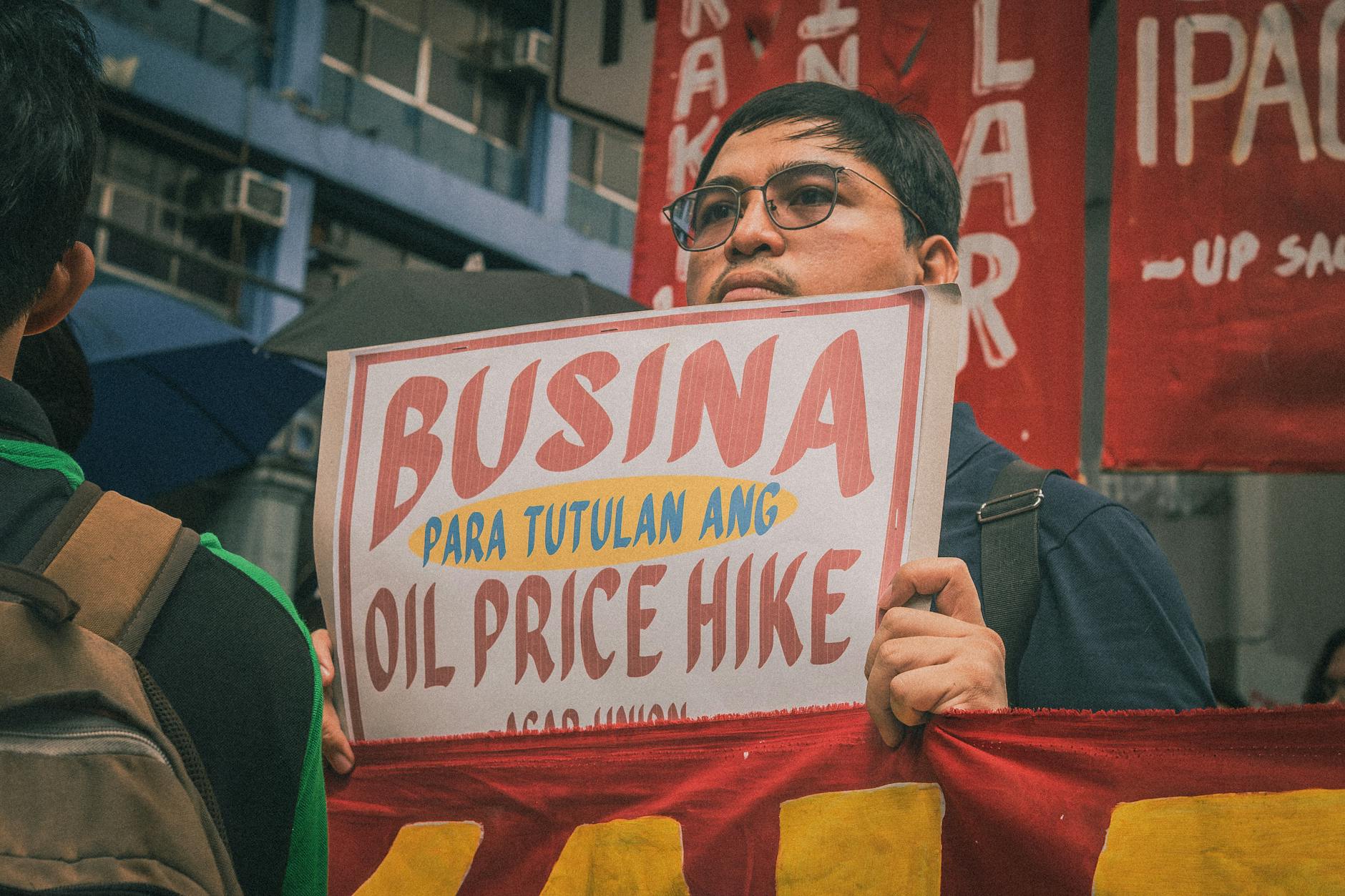
Global politics directly determines what you pay at the gas pump. When geopolitical tensions disrupt oil supplies halfway around the world, that disruption flows through global markets and arrives at your local gas station within weeks. Right now, the blockade of the Strait of Hormuz—a critical shipping corridor that handles roughly 20 million barrels of oil and refined products daily—is a primary reason the national average gas price hit $4.53 per gallon on May 14, 2026, up 43.6% from just $3.14 a year earlier. This isn’t abstract economics. A California driver filling a 15-gallon tank at $6.15 per gallon is paying nearly $92, while the same fill-up in Oklahoma costs $59 at $3.94 per gallon.
The $33 difference reflects not just local refining capacity, but the downstream effects of decisions made by foreign governments, militaries, and international energy organizations. The relationship between global politics and local gas prices has become impossible to ignore. For decades, energy analysts treated geopolitics as a peripheral factor—a risk that occasionally spiked prices during crisis moments. Today, geopolitics is embedded in how oil prices are formed. The International Energy Agency has called the current Middle East crisis “the greatest global energy security threat in history.” Understanding why your gas prices have surged requires understanding what’s happening in the Middle East, what governments are doing about it, and how those actions ripple through global supply chains to your neighborhood pump.
Table of Contents
- HOW GLOBAL POLITICS TURNED INTO YOUR GAS BILL
- THE STRAIT OF HORMUZ BLOCKADE AND OIL SUPPLY COLLAPSE
- INTERNATIONAL ENERGY POLICY AND THE SANCTIONS FACTOR
- OPEC DECISIONS AND GLOBAL MARKET CONTROL
- WHY CALIFORNIA PAYS $6.15 AND OKLAHOMA PAYS $3.94
- THE COST TO AMERICAN CONSUMERS AND THE BUDGET SQUEEZE
- WHAT HAPPENS NEXT—RESOLUTION AND REOPENING
- Conclusion
HOW GLOBAL POLITICS TURNED INTO YOUR GAS BILL
The mechanism is straightforward but often invisible to consumers. Oil is priced on global commodity markets, primarily through Brent crude benchmarks. When geopolitical events threaten the supply of crude oil, traders immediately bid up prices in anticipation of scarcity. That higher commodity price gets passed to refineries, which pass it to distributors, which pass it to gas stations. A blockade of the Strait of Hormuz in early March 2026 triggered exactly this sequence. Within weeks, Brent crude briefly exceeded $110 per barrel and approached $117 in trading sessions, according to CNBC.
That price surge translated directly into higher pump prices across all fifty states. The critical point: you don’t need a disruption at your local refinery to see gas prices rise. You don’t even need a disruption in your country. A geopolitical crisis affecting 14 million barrels per day of oil supply in the Middle East affects you because the global oil market operates as a single, interconnected system. When Iran, Saudi Arabia, or other Middle Eastern producers face conflict, sanctions, or blockades, the entire world’s oil supply tightens—and global prices rise. Local gas stations set their prices based on what they have to pay for wholesale fuel, which is set by global commodity markets, which are moved by geopolitical events.

THE STRAIT OF HORMUZ BLOCKADE AND OIL SUPPLY COLLAPSE
The current crisis centers on the Strait of Hormuz, a narrow waterway between Iran and Oman that serves as the world’s most critical oil chokepoint. Nearly 20 million barrels per day of crude oil and refined products transit through this strait—roughly 20% of global oil consumption. A blockade that began in early March 2026 has effectively halted that shipping. The disruption is not theoretical. Tankers cannot pass. Supply is cut off. And when supply contracts sharply, prices rise sharply. The scale of the disruption is staggering. The Middle East conflict has cut INTERNATIONAL ENERGY POLICY AND THE SANCTIONS FACTOR
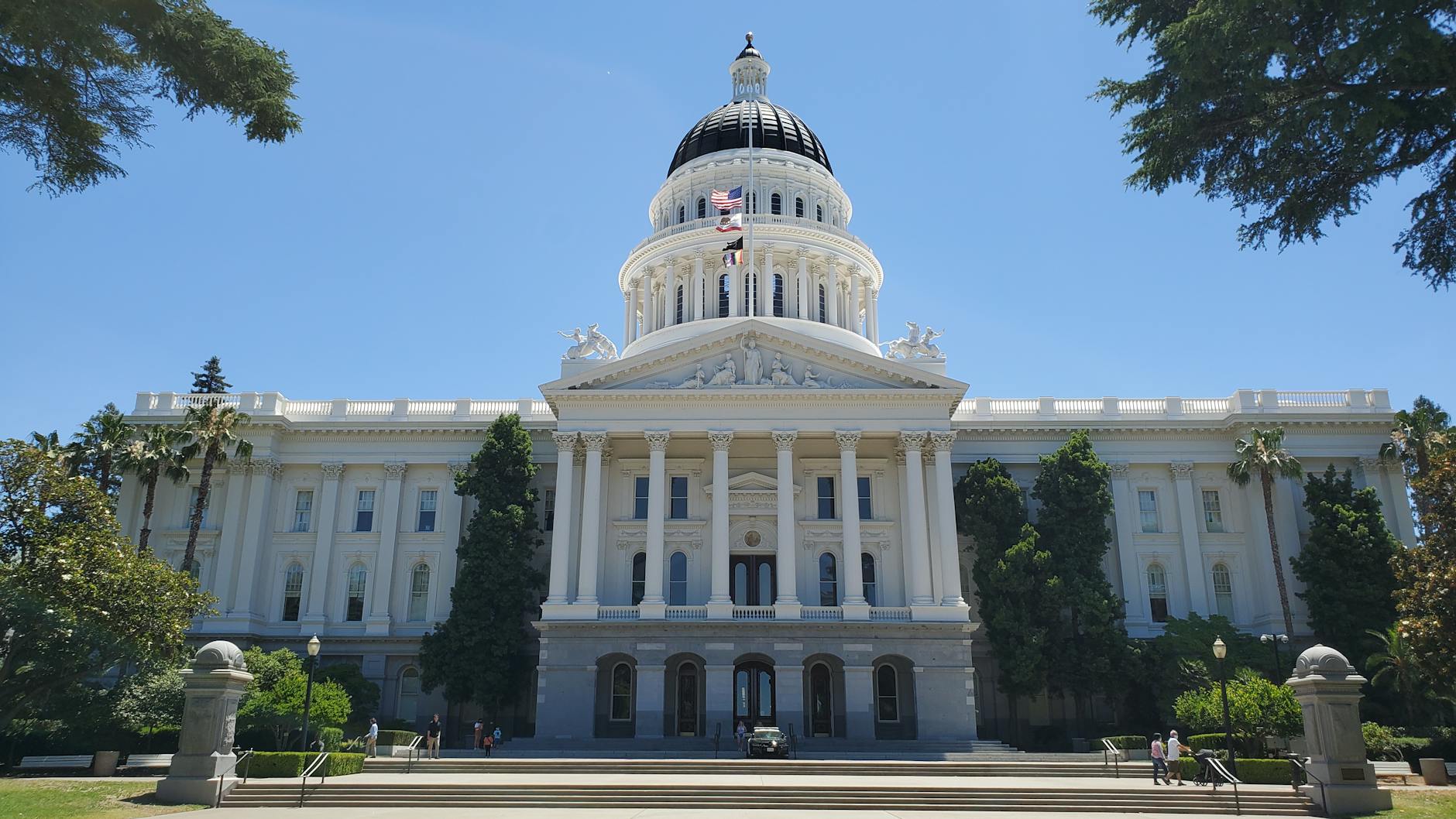
Geopolitical disruption isn’t limited to military conflict and blockades. Sanctions—economic weapons deployed by governments—also constrain global oil supply and drive local gas prices. The Trump administration has responded to the current Middle East crisis by lifting some sanctions on Russian crude oil and floating the potential removal of Iranian oil sanctions, according to reporting from FXEmpire. These moves are designed to ease the global oil supply crunch by bringing more barrels into the market. The logic is direct: if you can’t replace lost Middle Eastern supply with Middle Eastern oil, replace it with Russian or Iranian oil. Both countries have large oil reserves and production capacity that could theoretically flood markets with cheaper barrels if sanctions were lifted. But this also reveals a limitation of policy tools. Sanctions relief takes time to implement. New supply from Russian or Iranian sources takes time to ramp up. Refineries have to adjust. Shipping networks have to reorganize. There’s typically a lag of weeks or months between a policy decision and a measurable drop in gas prices. In the meantime, consumers pay elevated prices while waiting for supply to respond. OPEC—the Organization of the Petroleum Exporting Countries—has long wielded enormous influence over global oil prices through supply coordination. Decisions made in OPEC meetings affect what consumers pay at the pump worldwide. In May 2026, the United Arab Emirates exited OPEC, effective May 1st, according to CNN Business. This departure is significant because it potentially allows the UAE to operate independently of OPEC’s production quotas and coordinate separately with other producers, including Russia. The UAE exit may seem like an arcane bureaucratic change, but it has direct implications for future gas prices. If the Strait of Hormuz reopens—when shipping resumes and the blockade ends—the global oil market will need to quickly absorb an additional 20 million barrels per day flowing back into supply chains. That rapid supply expansion could drive prices down. The UAE’s ability to ramp up production quickly without OPEC coordination constraints could speed that price decline. However, it also means less coordinated global supply management, which could introduce more volatility in either direction. 📨 Get Free Accountability Coverage Alerts Free · No spam · Unsubscribe anytime Gas prices aren’t uniform across the United States. As of mid-May 2026, California’s average stood at $6.15 per gallon while Oklahoma’s was $3.94. The $2.21 difference per gallon—or roughly $33 on a 15-gallon fill-up—reflects state-specific factors layered on top of global geopolitics. California has stricter fuel formulation requirements, fewer refineries, and different tax structures than Oklahoma. But those state-specific factors don’t eliminate global price effects; they amplify or dampen them. When Brent crude approaches $117 per barrel due to Middle East disruption, that global price increase hits all states. But it hits California harder than Oklahoma because California has less local refining capacity to absorb the shock. California also has higher state taxes on fuel and more expensive environmental compliance costs. So geopolitical disruption in the Middle East becomes a $6.15 problem for Californians and a $3.94 problem for Oklahomans. This highlights an important limitation: no state is insulated from global geopolitics, but state-level policy choices determine how much pain consumers experience from global supply disruptions. Rising gas prices from geopolitical disruption hit household budgets directly. The 43.6% year-over-year increase from $3.14 to $4.53 per gallon is substantial. A household that drives 15,000 miles per year in a vehicle averaging 25 miles per gallon will use 600 gallons annually. At $3.14 per gallon, that’s $1,884 per year. At $4.53, it’s $2,718 per year. The difference—$834 per household per year—compounds across millions of American households. For low-income families, that’s a meaningful cut to discretionary spending. For businesses with fleets, it’s a margin compression that often gets passed to consumers through higher prices for goods and services. The ripple effects extend beyond the gas pump. Higher fuel costs increase transportation costs for goods, raising prices for food, groceries, and delivered items. Airline ticket prices climb. Shipping costs rise. These aren’t theoretical concerns—they’re being priced into the economy right now because energy traders and corporate finance teams expect elevated oil prices to persist while the Strait of Hormuz remains blocked. The current crisis is not permanent, but resolution is uncertain. The geopolitical tensions that created the Strait of Hormuz blockade remain unresolved as of mid-May 2026. If and when those tensions ease and shipping resumes, the rapid return of 20 million barrels per day to global markets could push prices downward—potentially sharply. Oil markets are forward-looking. If traders become confident that resolution is coming, prices may begin declining before the strait actually reopens. Conversely, if tensions escalate further or if additional disruptions occur, prices could spike even higher. Looking ahead, geopolitics is increasingly being recognized as a structural factor in energy markets. The Oil Review Middle East and GlobalData have identified geopolitics as the top theme impacting the oil and gas industry in 2026. That’s not a temporary or peripheral concern—it’s the dominant issue shaping energy economics, supply chains, and gas prices. Consumers should expect geopolitical events to move gas prices more dramatically in coming years than they did in the past decade, when energy markets were more stable and insulated from political disruption. Global politics and local gas prices are directly connected. The Strait of Hormuz blockade, Middle East conflict, and sanctions decisions made by governments thousands of miles away determined whether you paid $4.53 per gallon nationally in May 2026—up 43.6% from a year earlier. Understanding gas prices requires understanding geopolitics, supply chains, and how commodity markets transmit global shocks to local pumps. The $2.21 difference between California and Oklahoma reflects both global disruption and state-specific policy choices. For consumers, the lesson is clear: gas prices are not set locally or even nationally. They’re set globally, by geopolitical events, and by government policy responses to those events. Monitoring what’s happening in the Middle East, watching OPEC announcements, and understanding sanctions policy are not optional context for understanding your gas bill—they’re essential. As geopolitics becomes a more dominant factor in energy markets, this reality is unlikely to change.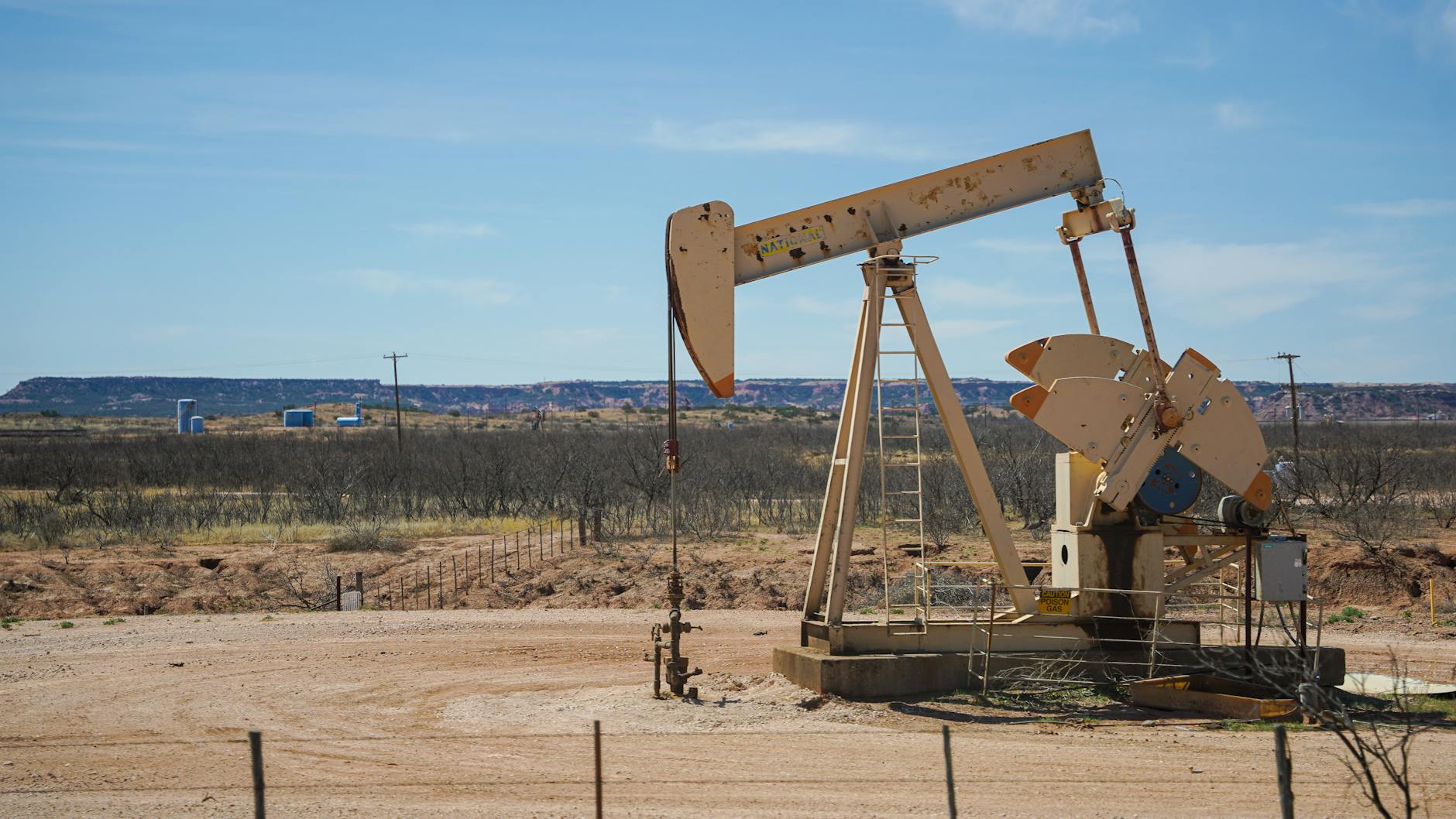
OPEC DECISIONS AND GLOBAL MARKET CONTROL
WHY CALIFORNIA PAYS $6.15 AND OKLAHOMA PAYS $3.94
THE COST TO AMERICAN CONSUMERS AND THE BUDGET SQUEEZE
WHAT HAPPENS NEXT—RESOLUTION AND REOPENING
Conclusion
You Might Also Like