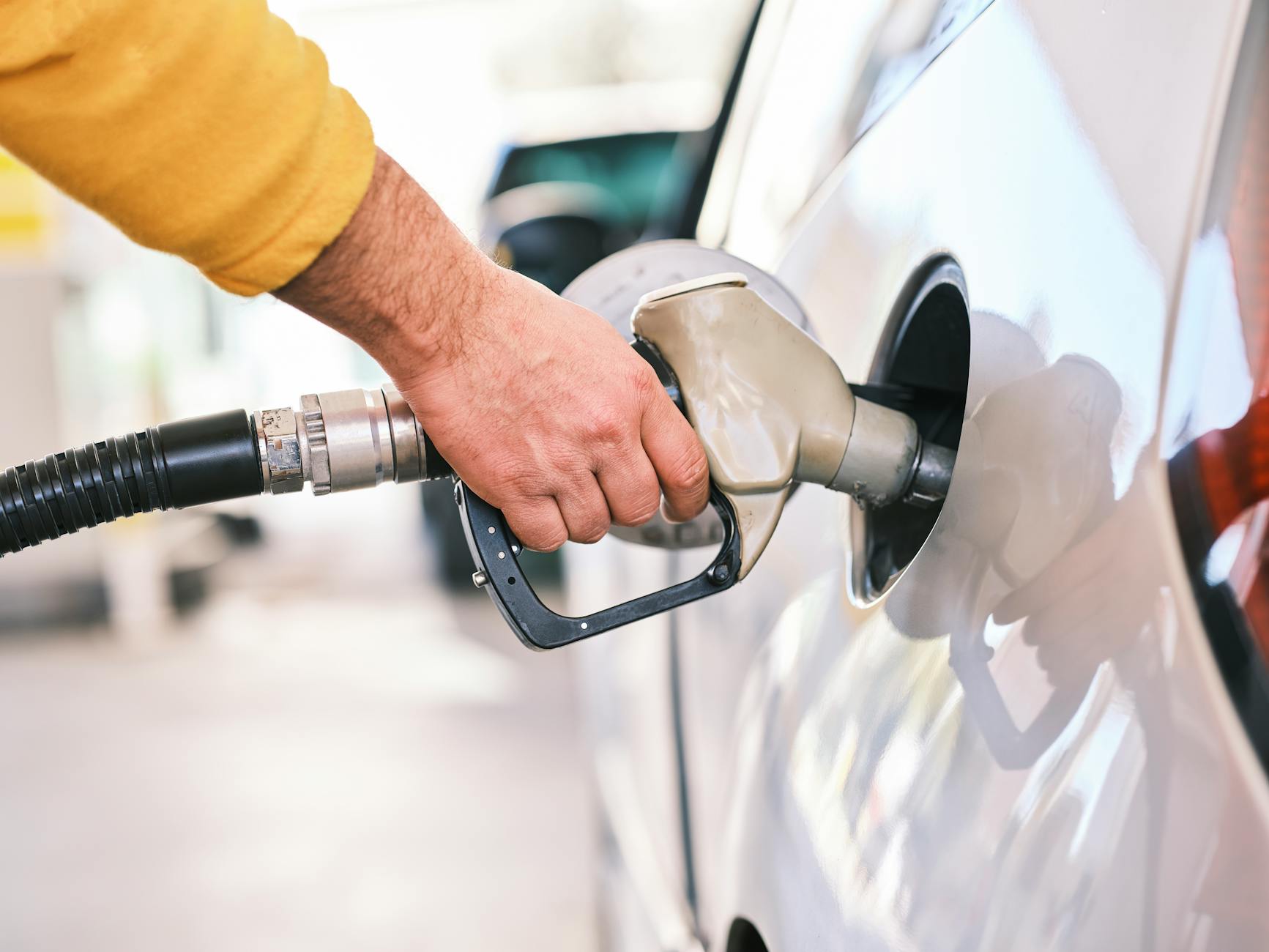
Midwest drivers are facing some of the steepest fuel price jumps in the nation, with regional prices climbing to an average of $4.486 per gallon for the week of May 4, 2026. The surge reflects a cascade of supply disruptions and geopolitical tensions that have hit the heartland particularly hard. A Michigan driver filling up a 15-gallon tank at current prices pays nearly $70—roughly $20 more than they would have at the start of 2026, when the same fillup cost about $47.
The spike caught many consumers off guard. Prices across the Midwest rose 43.6 percent year-over-year by mid-May, with some states experiencing even more dramatic jumps. Gas inventories are declining across the region, and unexpected operational issues at critical refineries have tightened supply when demand remains high. Experts caution that the outlook remains “highly fluid,” with broad price volatility likely to persist in the near term.
Table of Contents
- Why Are Midwest Gas Prices Climbing Faster Than the National Average?
- The Global and Supply Chain Factors Behind the Surge
- State-by-State Breakdown: How Your Neighborhood Compares
- The Bigger Picture: Year-to-Date and Year-Over-Year Increases
- Supply Chain Vulnerability and the Risk of Future Disruptions
- Specific Regional Examples: How the Crisis Plays Out at the Pump
- The Road Ahead: When Might Relief Arrive?
- Conclusion
Why Are Midwest Gas Prices Climbing Faster Than the National Average?
The Midwest is experiencing some of the biggest jumps in gas price in the country, and the reasons are rooted in both global events and regional infrastructure. Illinois has emerged as the hardest-hit state in the region, with prices reaching $4.94 to $4.98 per gallon—meaning some Illinois stations are already flirting with $5 per gallon. Michigan, the second-largest Midwest market, saw prices climb from $4.71 to $4.86 per gallon, with some areas approaching or exceeding the $5 mark. The disparity is striking when compared to Wisconsin, where prices sat at $4.40 per gallon—a difference of 50 cents per gallon compared to Illinois. This regional variation reflects the Midwest’s dependence on a handful of large refineries. The BP refinery in Whiting, Indiana—the largest in the Midwest with a capacity of 440,000 barrels per day—experienced an unexpected power outage in early May that disrupted output.
Simultaneously, Illinois faced refinery operational issues that further constrained supply. These aren’t minor incidents affecting a single station; they ripple across state lines and directly impact the gasoline available at pumps throughout the region. The timing proved particularly painful. In a single week, Michigan drivers saw prices jump 24 cents per gallon, while Wisconsin experienced a 23-cent surge in the same period. Minnesota saw a 14-cent increase in just one day. These aren’t gradual climbs that drivers adjust to over months—they’re sharp spikes that immediately hit household budgets. A family that commutes 40 miles daily to work suddenly finds their gas budget ballooning week to week.

The Global and Supply Chain Factors Behind the Surge
Beyond the Midwest’s refinery troubles, broader geopolitical tensions are amplifying the price pressure. Iran’s control of the Strait of Hormuz and a tanker blockade in the Persian Gulf have disrupted global oil supplies at a critical moment. The Strait of Hormuz is one of the world’s most critical chokepoints for oil transport—roughly one-third of all seaborne traded crude passes through it. Any disruption there sends shockwaves through global markets, and the Midwest, dependent on a tight supply network, feels the impact acutely. The stark reality is that declining gas inventories across the region leave little buffer for unexpected disruptions. When a refinery goes offline in a region that doesn’t have surplus capacity sitting idle, prices spike immediately.
The Midwest can’t simply shift to oil from other regions quickly enough to offset the loss. This is a significant vulnerability that few drivers think about when they pull up to the pump. What seems like a local problem—a refinery outage in Indiana—becomes a regional crisis within days. Adding to the concern, the near-term outlook offers little reassurance. While early signs suggest some relief could be coming, multiple factors continue to affect prices, and experts warn that volatility will likely persist. Gas stations operated by the same brand might display different prices in different cities because local supply constraints vary. This creates an uncomfortable reality: the driver in one neighborhood may pay 15 to 20 cents more per gallon than the driver across town.
State-by-State Breakdown: How Your Neighborhood Compares
The state-by-state price landscape tells a detailed story of unequal pain. Illinois tops the region at $4.94 to $4.98 per gallon, making it one of the six highest-priced states in the nation. Indiana, another refinery hub, is experiencing prices around $4.78 per gallon. Ohio sits at $4.68 to $4.84 per gallon. Wisconsin at $4.40 per gallon, though still significantly higher than prices six months ago, has caught a relative break compared to its neighbors. These differences matter for residents near state borders.
A driver in Michigan paying $4.71 to $4.86 might consider crossing into a neighboring state for fill-ups, though the savings would only offset the extra driving for large tanks or frequent refueling. For someone with a 25-gallon tank, the difference between Michigan and Wisconsin prices amounts to roughly $7.50—meaningful but not enough to justify a 30-minute drive in many cases. The price volatility extends beyond the week-to-week fluctuations. Michigan saw prices jump 90 cents from a week prior to late April—a shock to any driver accustomed to gradual changes. This kind of spike disrupts budgeting and forces decisions that put pressure on household finances elsewhere. A contractor using five gallons per day of gasoline suddenly finds a project’s fuel costs shifting from $18 to $21 per day within a single week.

The Bigger Picture: Year-to-Date and Year-Over-Year Increases
Looking at the longer arc, the cumulative impact becomes harder to ignore. Prices are up 60 percent since the start of 2026—barely five months into the year. For a household that filled up weekly, the cost difference amounts to roughly $1,000 more per year compared to the start of 2026. That money comes directly out of discretionary spending on food, childcare, or savings. The year-over-year comparison is equally stark.
The 43.6 percent increase from May 2025 to May 2026 reflects a market in structural stress. Gas prices typically fluctuate seasonally, but this increase exceeds normal patterns. The national average sits at $4.50 to $4.55 per gallon, meaning the Midwest is running 30 to 50 cents above the national norm in some states. For businesses dependent on fuel—delivery services, rideshare drivers, local contractors, and agricultural operations—these prices create compounding pressure. A small delivery company that budgeted for $3.50 per gallon in early 2026 is now spending 28 percent more per gallon. That translates to either absorbing the loss or passing it along to customers through price increases, which many small businesses are reluctant to do in competitive markets.
📨 Get Free Accountability Coverage Alerts
Free · No spam · Unsubscribe anytime
Supply Chain Vulnerability and the Risk of Future Disruptions
The underlying lesson from the current situation is uncomfortable: the Midwest refining infrastructure has little slack built in. When the BP Whiting refinery—processing 440,000 barrels per day—experiences even a temporary power outage, prices jump within hours. This reveals a critical vulnerability that extends beyond the current crisis. Illinois refinery operational issues in early May further tightened the supply. Unlike regions with multiple large refineries, the Midwest depends on a handful of facilities working at near-full capacity. A hurricane on the Gulf Coast or an unexpected maintenance issue at one facility can cascade across the region.
This creates a precarious situation where a single incident directly translates to consumer pain at the pump. The “highly fluid” outlook experts describe isn’t optimistic—it’s a warning that conditions could worsen if additional disruptions occur. Declining inventory levels compound the risk. When inventories are high, a refinery disruption is absorbed without immediate price impacts. When inventories are low—as they currently are in the Midwest—any supply reduction hits prices immediately. This is the equivalent of running a household budget with no emergency savings; there’s no buffer for unexpected expenses.

Specific Regional Examples: How the Crisis Plays Out at the Pump
In Michigan, where prices reached $4.71 to $4.86 per gallon by mid-May, a commuter driving 25 miles each way to work in a vehicle averaging 25 miles per gallon uses about 2 gallons per day. At $4.80 per gallon, that’s roughly $9.60 daily in fuel costs, or $240 per month for a 25-day working month. For someone earning $50,000 annually, that’s about 5.8 percent of gross income spent on fuel commuting alone—before considering other driving. Illinois residents at $4.94 to $4.98 per gallon face even steeper costs.
The same commuter scenario runs $9.90 to $9.98 per day, or roughly $250 per month. These aren’t abstract numbers; they represent actual money families have to find somewhere in their budgets. Food, housing, childcare, and fuel compete for the same dollars, and fuel is non-negotiable for most workers. Indiana, home to the critical Whiting refinery, sits at $4.78 per gallon. The irony is sharp: a state hosting one of the nation’s largest fuel production facilities still pays premium prices, reflecting the broader supply chain constraints and regional demand that outpace local production capacity.
The Road Ahead: When Might Relief Arrive?
Early signs suggest some relief could be coming, but the timing remains uncertain and the conditions volatile. If geopolitical tensions ease and the refinery disruptions are resolved, prices could moderate over the coming weeks. However, recovery is unlikely to be swift or linear.
Historically, fuel price increases dissipate faster than they arrive, but they rarely fall back to pre-crisis levels quickly. The broader concern is that the structural vulnerabilities exposed by the current crisis—refinery concentration, inventory constraints, and dependence on uninterrupted global supply—remain in place. Even if prices moderate by summer, the Midwest’s reliance on a handful of facilities and interconnected supply chains means future disruptions will likely happen again. Drivers should prepare for the possibility that $4.50 to $5.00 per gallon becomes a new normal in the region rather than a temporary spike.
Conclusion
Midwest drivers are facing gas prices that have climbed 60 percent since the start of 2026 and 43.6 percent year-over-year, driven by refinery outages at critical facilities like Whiting, Indiana, geopolitical disruptions in the Persian Gulf, and declining regional inventories. Illinois has emerged as the hardest-hit state at nearly $5 per gallon, while Michigan, Ohio, and Indiana all face prices well above the national average. For families and businesses dependent on fuel, these increases translate to hundreds of additional dollars monthly.
The path forward remains uncertain. While early signs point to potential relief, experts warn that price volatility will persist in the near term, and the underlying vulnerabilities in the Midwest’s refining infrastructure suggest future disruptions are likely. Consumers should monitor developments at major regional refineries and track gas price trends closely, as the “highly fluid” outlook means sudden jumps remain possible. Until supply chains stabilize and global tensions ease, residents should plan for elevated fuel costs as part of their household and business budgets.
You Might Also Like
- Gas Prices Today: Chicago Drivers React to Rising Gas Prices
- Gas Prices Today: Why Fuel Costs Jump Before Holiday Weekends
- Gas Prices Today: Why Drivers Are Seeing Different Prices by ZIP Code