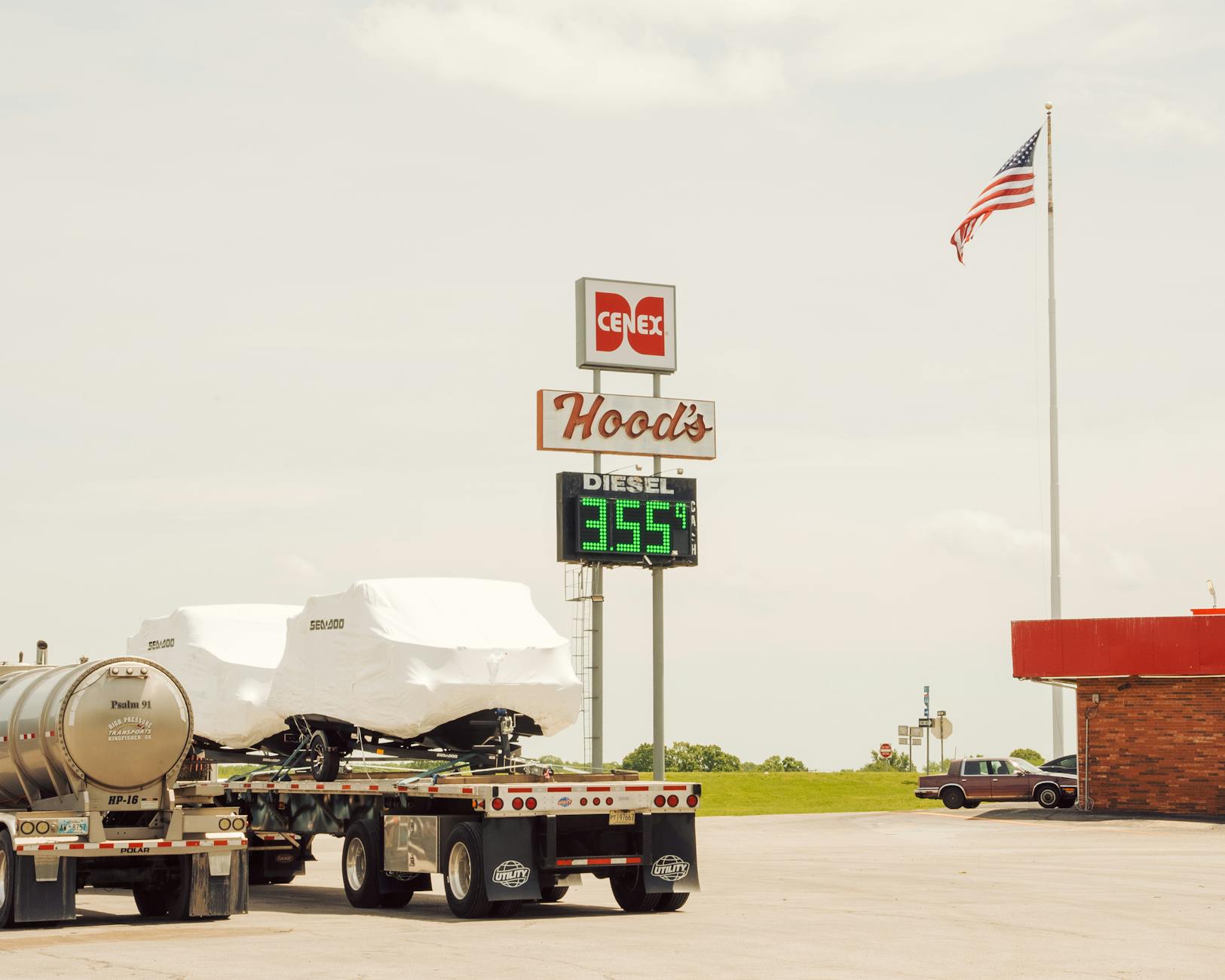
Illinois gas prices in May 2026 averaged $5.03 to $5.08 per gallon statewide, with Chicago-area stations charging $5.20 to $5.28 per gallon and some premium locations exceeding $6.00 per gallon. A driver filling a 15-gallon tank in Chicago would pay roughly $78 to $84 at mid-May prices, compared to approximately $53 just one year earlier. This represents a stark reality for Illinois consumers: gas prices have surged nearly 50 percent year-over-year, placing Illinois among the most expensive gas markets in the country.
The spike reflects multiple converging pressures specific to Illinois and the broader energy market. EPA regulations that took effect May 1, 2026, tightened the specifications for reformulated gasoline in the state, limiting which refineries can supply Illinois with compliant fuel. Combined with geopolitical tensions affecting global oil supplies and Illinois’s relatively high state gas tax of 48.3 cents per gallon, consumers face a triple headwind at the pump.
Table of Contents
- How Much Are Illinois Gas Prices in May 2026?
- What’s Causing the Dramatic Spike in Illinois Gas Prices?
- How Do Chicago and Illinois Gas Prices Compare to the Rest of the Nation?
- What Does the 50 Percent Year-Over-Year Increase Mean for Illinois Consumers?
- Why Is Illinois Impacted More Severely Than Other States?
- What Can Consumers Do About Rising Gas Prices?
- What’s the Outlook for Illinois Gas Prices Through Summer 2026?
- Conclusion
How Much Are Illinois Gas Prices in May 2026?
As of mid-may 2026, the Illinois state average stood at approximately $5.06 per gallon. This figure masks significant regional variation within the state. The Chicago metropolitan area commanded prices of $5.20 to $5.28 per gallon, while the City of Chicago itself hit $5.44 per gallon. More alarmingly, select Chicago-area stations reported prices approaching or exceeding $6.00 per gallon for regular unleaded fuel, with premium grades climbing above $7.00 per gallon at some locations.
These prices represent a dramatic acceleration compared to historical norms. In May 2025, the Chicago metropolitan area averaged $3.54 per gallon. The increase of roughly $1.70 per gallon in a single year is substantial enough to measurably impact household budgets. A person commuting 40 miles daily (roughly 10 gallons per week) would spend an additional $17 per week at these elevated prices, translating to nearly $900 annually in higher fuel costs—money that would otherwise go toward groceries, rent, or savings.

What’s Causing the Dramatic Spike in Illinois Gas Prices?
Two primary factors explain why Illinois gas prices have climbed faster than the national average. First, the EPA’s spring reformulation requirement, which took effect May 1, 2026, altered the specifications for gasoline sold in Illinois to reduce summer smog. While well-intentioned from an environmental standpoint, this regulation narrowed the pool of refineries capable of producing compliant fuel. Fewer suppliers competing for market share typically means higher prices, and Illinois residents bear the direct consequences. The second driver is geopolitical. Ongoing conflict involving Iran has disrupted global crude oil supplies and pushed prices upward worldwide.
However, this global pressure is amplified in Illinois due to the state’s heavy reliance on specific refineries—particularly in the Joliet area—to meet EPA specifications. When global oil gets expensive and your state’s refinery options are constrained, prices spike more severely than in states with greater flexibility. Additionally, Illinois’s state gas tax of 48.3 cents per gallon is among the highest in the nation, automatically making gasoline more expensive before a single drop leaves a refinery. A critical limitation exists in consumer ability to shop around. Because only certain refineries can produce EPA-compliant Illinois gasoline, residents cannot simply drive to a neighboring state and expect significantly cheaper fuel. The regulatory requirement follows them, making arbitrage impossible and leaving consumers with limited leverage.
How Do Chicago and Illinois Gas Prices Compare to the Rest of the Nation?
Illinois ranks sixth highest in the nation for gas prices, according to reporting from May 2026. The Chicago area’s $5.20-$5.28 per gallon prices sit roughly 50 cents above the national average, a meaningful gap that compounds when multiplied across millions of commutes. This comparison is important because it illustrates that while rising fuel costs are a nationwide phenomenon, the burden falls disproportionately on Illinois residents.
Breaking this down further reveals stark disparities even within the state. The City of Chicago at $5.44 per gallon substantially exceeds the statewide average of $5.06, while some exurban and rural areas may trade at slightly lower rates. However, even lower-cost areas in Illinois remain elevated relative to states like Texas, Indiana, or Oklahoma, where regulatory requirements are less stringent and refinery capacity is more abundant. For a family vacationing across state lines, the difference becomes immediately apparent when they cross into a state with average prices near $4.50 per gallon.
What Does the 50 Percent Year-Over-Year Increase Mean for Illinois Consumers?
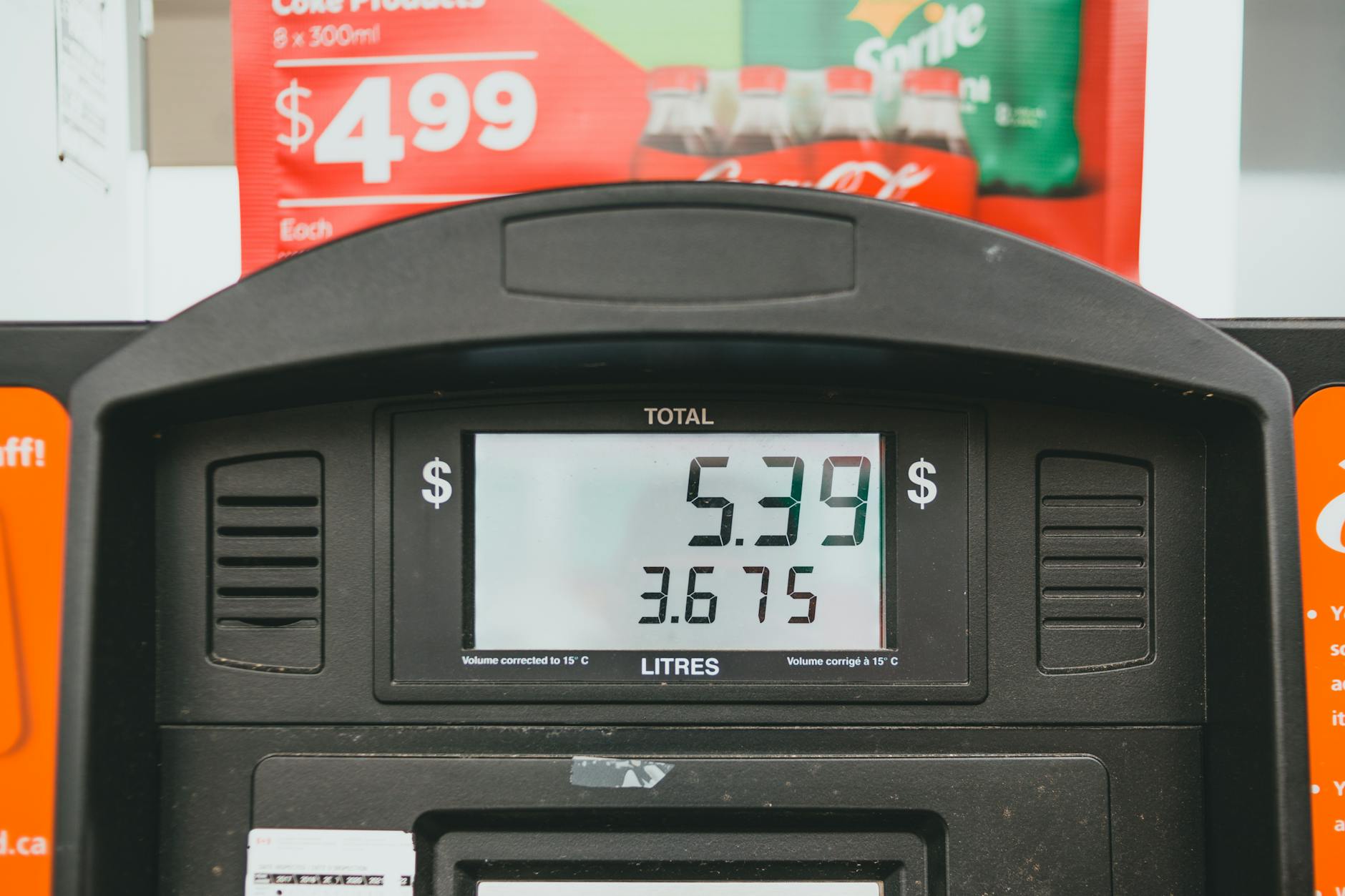
The 49.6 percent increase from May 2025 to May 2026 translates directly into household financial stress. An Illinois driver averaging 12,000 miles annually (roughly 500 gallons per year) faced approximately $1,770 in fuel costs at May 2025 prices and roughly $2,530 at May 2026 prices. That $760 difference per driver compounds across families managing multiple vehicles, businesses operating commercial fleets, and commercial industries reliant on transportation.
The tradeoff is stark: consumers must either reduce driving (limiting employment or lifestyle opportunities), reallocate household budgets away from other needs, or absorb the additional cost. Those with the least flexibility—lower-income workers without remote options, small business owners, and service workers—experience the greatest hardship. A person earning $15 per hour who commutes 30 miles each way faces a significantly larger burden proportionally than a remote worker filling up once monthly. The lack of alternatives within Illinois means the burden cannot be easily avoided.
📨 Get Free Accountability Coverage Alerts
Free · No spam · Unsubscribe anytime
Why Is Illinois Impacted More Severely Than Other States?
Illinois’s unique position as a manufacturing and commercial hub with demanding EPA specifications creates a narrow funnel for fuel supply. The state’s requirement for reformulated gasoline, driven by environmental regulations intended to reduce emissions in the Chicago metropolitan area, means that only a handful of refineries nationwide can legally supply Illinois with compliant product. When refinery maintenance, geopolitical disruptions, or supply chain issues affect these specific facilities, Illinois consumers have no alternative sources. The state gas tax compounds this problem. At 48.3 cents per gallon, Illinois ranks among the highest in the nation.
While states with lower taxes have the same access to crude oil and face the same global pressures, their consumers benefit from a smaller tax wedge. Illinois’s policy choice—made to fund transportation infrastructure—becomes a burden multiplier during periods of crude oil price spikes. A warning: this tax structure is not easily changed, as transportation funding depends on it. Any solution focused solely on reducing the gas tax would require identifying alternative revenue sources for road maintenance and public transit, a politically difficult conversation. The interaction between these factors—limited refinery options, geopolitical supply constraints, and above-average state taxation—explains why Illinois residents face a compounded penalty at the pump compared to drivers in states with greater refinery diversity or lower tax burdens.

What Can Consumers Do About Rising Gas Prices?
Individual consumer options in Illinois are genuinely limited by the state’s regulatory and geographic constraints. Strategies like carpooling, trip consolidation, and adopting more fuel-efficient driving habits provide marginal savings—perhaps 10 to 15 percent in fuel consumption—but do not eliminate the underlying price problem. A driver reducing consumption from 500 to 425 gallons annually saves roughly $380 at May 2026 prices, a meaningful offset that requires behavioral change.
For those with flexibility, transitioning to electric vehicles eliminates fuel costs entirely, though upfront vehicle costs and charging infrastructure availability create barriers for lower-income households. Some consumers may benefit from relocating closer to work, though this is a major life decision unlikely to be driven by gas prices alone. The practical reality is that most Illinois residents lack sufficient leverage to meaningfully reduce the impact of elevated gas prices through individual action alone. Policy-level solutions—whether adjusting EPA specifications, diversifying refinery options, or revisiting state tax structures—remain the only mechanisms capable of providing systemic relief.
What’s the Outlook for Illinois Gas Prices Through Summer 2026?
As of late May 2026, crude oil markets remain elevated due to ongoing geopolitical tensions, and no immediate resolution appears likely. The EPA summer blend specifications remain in effect through the fall, meaning the refinery constraint that contributed to the May spike will persist. Analysts generally expect prices to stabilize near current levels rather than spike further, though any escalation of international conflict or supply disruption could shift this forecast rapidly.
Consumers should anticipate that Illinois gas prices will likely remain in the $5.00 to $5.50 range through July and August 2026, the peak summer driving season. Relief, if it comes, would likely emerge in the fall when EPA seasonal requirements relax, allowing a broader pool of refineries to supply compliant fuel. However, crude oil market fundamentals remain the dominant driver, meaning that even seasonal relief in specifications will have limited impact if geopolitical factors continue pushing global oil prices higher.
Conclusion
Illinois gas prices in May 2026 reflect a convergence of state-specific regulations, geopolitical pressures, and taxation choices that have created some of the highest pump prices in the nation. At $5.03 to $5.08 statewide and $5.20 to $5.28 in the Chicago area, these prices represent a nearly 50 percent increase year-over-year and a direct financial burden on households and businesses throughout the state. The path forward offers no quick solutions.
The EPA summer reformulation that limits refinery options will remain in effect through fall. State gas tax restructuring, while potentially beneficial, would require identifying alternative funding for transportation infrastructure. Consumers can reduce consumption and consider fuel-efficient alternatives, but individual actions cannot offset the structural constraints. Illinois residents should anticipate elevated gas prices as a persistent feature of the 2026 driving season and factor this reality into household budgeting and transportation planning.
You Might Also Like
- Gas Prices Today in Florida: May 2026 Price Update for Drivers
- Gas Prices Today in Staten Island: Local Price Update
- Gas Prices Today in New Jersey: May 2026 Update for Drivers