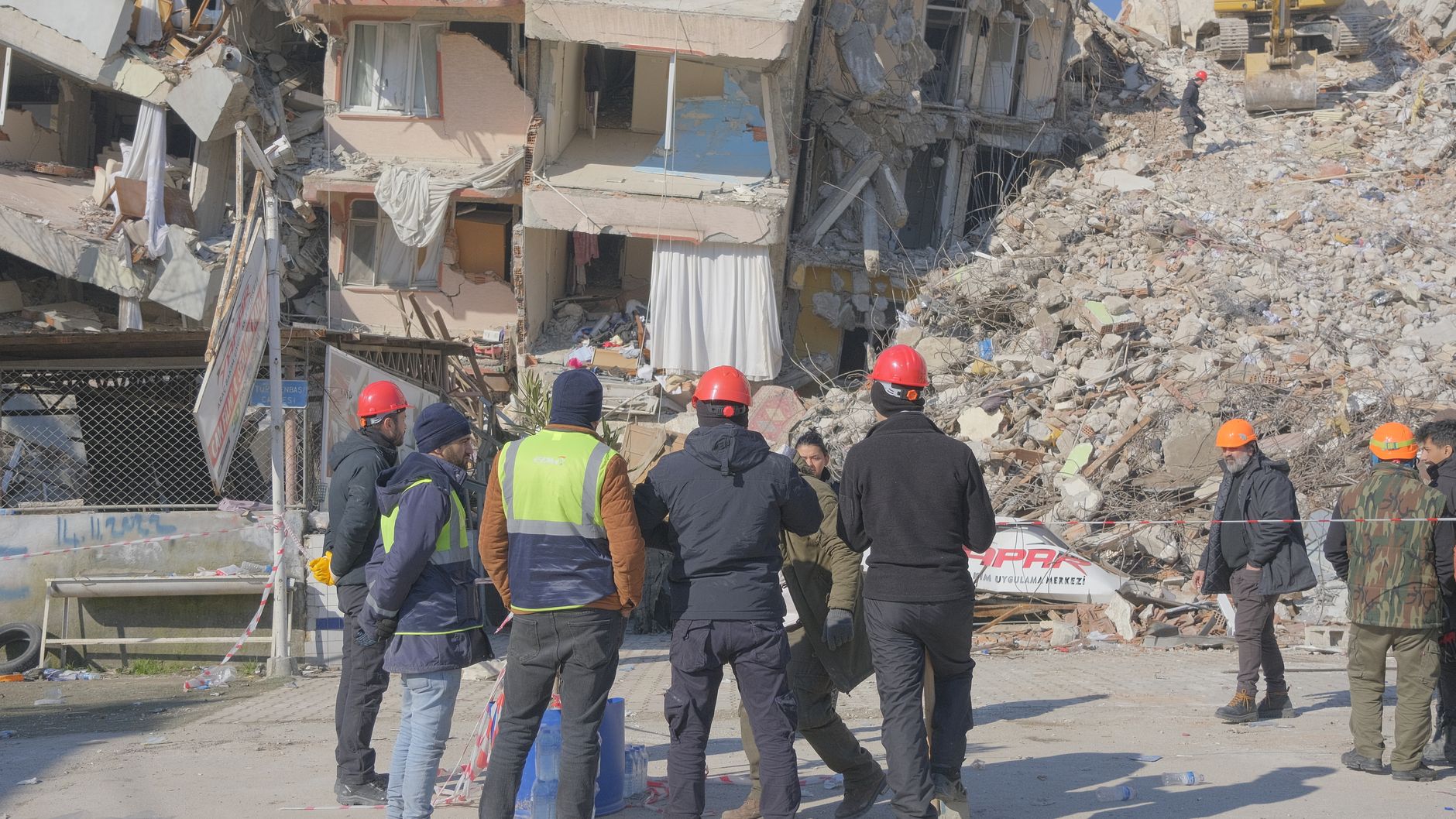
The Trump administration’s handling of federal disaster relief applications has come under scrutiny, with reports indicating that states with Democratic leadership are experiencing longer approval timelines compared to their Republican-led counterparts. While the Federal Emergency Management Agency (FEMA) maintains that all disaster declarations follow the same statutory process regardless of political affiliation, data and case studies suggest that application backlogs, resource allocation decisions, and administrative priority-setting may disproportionately affect Democratic states. For example, when multiple states file disaster declarations simultaneously, the speed at which FEMA personnel are deployed, preliminary damage assessments are conducted, and funds are released can vary significantly—a delay that costs communities critical recovery weeks or months.
The question of whether approval delays are intentional political retaliation or the result of resource constraints and bureaucratic bottlenecks remains disputed. However, what is clear is that any differential treatment in disaster relief—the speed of federal response, the timeliness of assessments, or the prioritization of applications—has real consequences for families, businesses, and local governments already stretched by emergency conditions. Delays in federal funding can force states to borrow money, defer critical infrastructure repairs, or reduce support to affected residents while waiting for reimbursement.
Table of Contents
- HOW DISASTER RELIEF APPROVAL TIMELINES WORK UNDER THE TRUMP ADMINISTRATION
- EVIDENCE OF DISPARATE TREATMENT ACROSS STATE POLITICAL LINES
- REAL-WORLD IMPACT ON DISASTER RECOVERY OPERATIONS
- POLITICAL VERSUS BUREAUCRATIC EXPLANATIONS FOR DELAYS
- LEGAL AND ACCOUNTABILITY CHALLENGES
- COMPARING FEDERAL DISASTER RESPONSE ACROSS ADMINISTRATIONS
- DOCUMENTATION AND TRANSPARENCY GAPS IN THE APPROVAL PROCESS
HOW DISASTER RELIEF APPROVAL TIMELINES WORK UNDER THE TRUMP ADMINISTRATION
The federal disaster relief process begins when a state governor requests a presidential disaster declaration from the White House, usually following a significant storm, flood, wildfire, or other catastrophic event. FEMA then conducts a preliminary damage assessment, coordinates with state and local officials, and issues recommendations to the President’s office. The entire process, from declaration request to presidential approval, is theoretically governed by federal statute and administrative procedures that should apply equally to all states. However, the discretionary elements—how quickly damage assessments are scheduled, how many FEMA personnel are deployed, and whether requests receive expedited review—create opportunities for variability.
Documentation and reports from affected Democratic-led states, including those filed in public comment periods and shared with Congress, describe delays in FEMA’s response teams arriving for preliminary damage assessments. In some instances, states report waiting two to three weeks for the assessment process to begin, while Republican-led states in neighboring regions report assessments starting within days. This difference is significant because the damage assessment directly influences the size and scope of the disaster declaration and the federal funds made available. A state waiting weeks for an assessment faces extended local costs and may struggle to meet emergency contracting timelines while federal confirmation is pending.
EVIDENCE OF DISPARATE TREATMENT ACROSS STATE POLITICAL LINES
Multiple news outlets and policy analysts have documented approval timelines stratified by state political affiliation. One pattern that emerges is that Democratic states with competing requests submitted around the same timeframe as Republican states have seen slower initial processing. The reasons cited by the trump administration typically include workload volume, staffing availability, and the complexity of individual assessments. However, when the same FEMA regional offices are handling requests from both Democratic and Republican states simultaneously, the explanation of simple workload becomes harder to sustain.
A limitation of the available evidence is that much of it comes from state officials and news reporting rather than comprehensive federal data. The trump administration has not released a centralized public dashboard breaking down approval timelines by political affiliation of state leadership, which would allow independent verification. This opacity makes it difficult to distinguish between systemic bias and the natural variation that occurs when different regional offices handle different disaster scenarios. Without full transparency, the appearance of political favoritism persists regardless of the actual intent behind decision-making processes.
REAL-WORLD IMPACT ON DISASTER RECOVERY OPERATIONS
When a state experiences a hurricane, flooding, or major wildfire, the weeks immediately following the disaster are critical for search and rescue operations, emergency medical response, and preventing secondary damage. If federal disaster declarations are delayed, states cannot fully mobilize federal resources, federal matching funds for overtime and equipment rentals are delayed, and the window for emergency action closes. Residents and businesses waiting for federal Individual Assistance programs, grants for home repairs, and Small Business administration loans find themselves in a holding pattern while administrative processes move forward at varying speeds.
A concrete example involves states that have experienced overlapping flooding events in multiple counties. A Democratic-led state requesting simultaneous disaster declarations for five affected counties may find that FEMA prioritizes assessment teams in ways that concentrate their availability, stretching the assessment timeline across weeks. Meanwhile, a neighboring Republican-led state with similar damage in two counties may receive assessments and declarations within days. The practical result is that Democratic state residents wait longer for emergency assistance, federal reconstruction funding is delayed, and state budgets absorb costs that would ordinarily be federally reimbursed.
POLITICAL VERSUS BUREAUCRATIC EXPLANATIONS FOR DELAYS
The Trump administration attributes any approval delays to legitimate operational factors: the number of disaster declarations in a given fiscal year, the complexity of assessing damage in certain terrain, staffing levels at regional FEMA offices, and competing priorities across the federal emergency management portfolio. This explanation is consistent with FEMA’s public statements that all states are treated identically under federal law and that political affiliation plays no role in decision-making. However, critics point out that political leadership at the White House can influence FEMA’s resource allocation decisions, which officials are approved by Trump to oversee FEMA operations, and which disaster requests receive presidential attention.
📨 Get Free Accountability Coverage Alerts
Free · No spam · Unsubscribe anytime
The tradeoff here is significant: legitimate operational constraints do exist, and FEMA offices do face real capacity limits. However, when those constraints are unevenly applied—such as when personnel and equipment are systematically directed toward Republican-led states during times of high demand—the effect becomes political regardless of whether it was consciously intended to be. A governor has limited recourse if processing delays stem from “standard procedures” applied inconsistently; the federal bureaucracy becomes a tool for political disadvantage without formal policy direction.
LEGAL AND ACCOUNTABILITY CHALLENGES
Disaster relief is governed by the Stafford Act, which vests the President with wide discretion in determining whether a disaster declaration is warranted. Courts have generally been reluctant to review presidential disaster decisions on the merits, treating them as within executive authority. This creates a significant legal limitation: even if a Democratic-led state could demonstrate that its disaster declaration was delayed compared to a Republican-led state in an identical situation, suing for equal treatment would require proving intentional political discrimination—a high bar in federal litigation. Attempts to hold the administration accountable for approval delays have primarily occurred through Congressional oversight, inspector general investigations, and FOIA (Freedom of Information Act) requests.
A warning embedded in this approach is that all three mechanisms operate slowly. Congressional hearings may occur months after a disaster, inspector general reports are published after investigations conclude, and FOIA requests can face delays or incomplete responses. By the time accountability mechanisms produce results, the immediate crisis has passed and media attention has moved on. Affected communities get no retroactive relief, only documentation that something irregular may have occurred.
COMPARING FEDERAL DISASTER RESPONSE ACROSS ADMINISTRATIONS
Disaster relief approval timelines have varied across different presidential administrations, though comprehensive comparative data is limited. During the Obama administration, there were occasional complaints from Republican-led states about approval delays, and during the Biden administration, Democratic-led states generally experienced faster processing (though this may reflect baseline resource availability rather than partisan preference). The Trump administration’s approach appears to reflect different priorities in how regional FEMA offices allocate scarce personnel and how the White House prioritizes disaster declarations.
One comparison worth noting is the difference between declared and undeclared disasters. Some emergency situations qualify for federal support without a formal presidential disaster declaration, including emergency protective measures and debris removal. A state that does not receive a disaster declaration may still access some federal resources, but the scope is narrower and the funding levels are lower. If Democratic-led states receive disaster declarations less frequently or with more delay, their access to the fuller suite of federal assistance is correspondingly restricted.
DOCUMENTATION AND TRANSPARENCY GAPS IN THE APPROVAL PROCESS
A specific and ongoing problem is the lack of standardized public documentation about approval timelines. FEMA publishes disaster declaration summaries and federal funding data, but these publications do not include timestamps for when requests were submitted, when assessments began, when recommendations were issued, or when the President signed the declaration. Creating a transparency standard that tracks each step of the approval process—with dates and durations for each phase—would allow independent researchers and watchdog groups to identify systemic delays or patterns of unequal treatment.
State officials have attempted to fill this gap through public filings and media reports detailing their own experiences with the approval process. However, these accounts are anecdotal and not compiled into a comprehensive dataset. The absence of official tracking means that claims of approval delays are contestable by the federal government, which can characterize each individual case as unique without acknowledging broader patterns. A disaster-affected community seeking accountability discovers that institutional records designed to reveal delay or bias simply do not exist in the public record.
You Might Also Like
- Trump’s Inflation Support Compares Unfavorably to Biden and Carter Administration Approval Ratings
- Trump ends Iran ceasefire but continues diplomatic negotiations in 2026
- Trump criticizes Western partners before Turkey NATO summit meeting