Trump Appointees Advance a Rewrite of Federal Historic-Preservation Rules
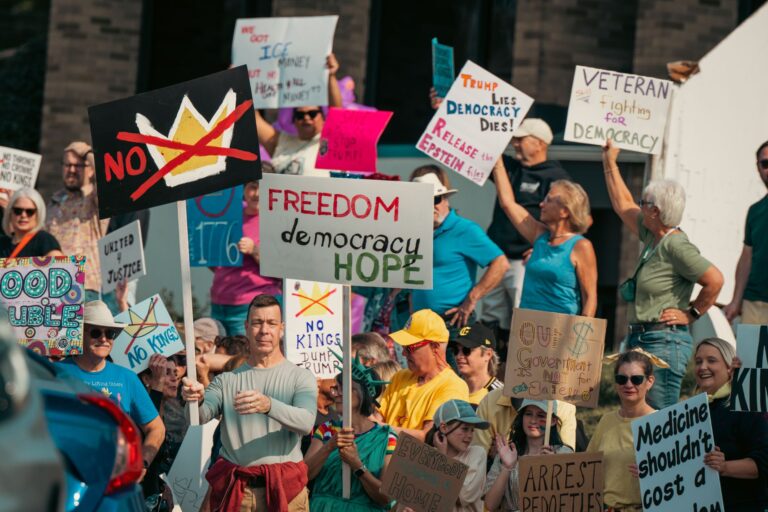
Trump-appointed federal officials voted to weaken historic-preservation rules, making tribal input optional and narrowing site protections to speed infrastructure projects.

Trump-appointed federal officials voted to weaken historic-preservation rules, making tribal input optional and narrowing site protections to speed infrastructure projects.

Trump's Section 106 proposal would weaken protections for historic properties, tribal consultation, and cultural landscapes affected by federal highways and energy projects.
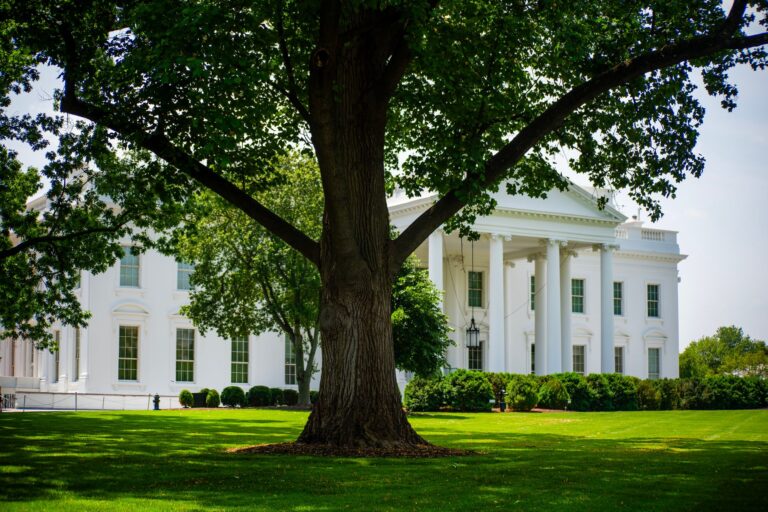
Trump administration proposes eliminating tribal consultation for projects affecting sacred lands, replacing a decades-old protection with unilateral agency approval.
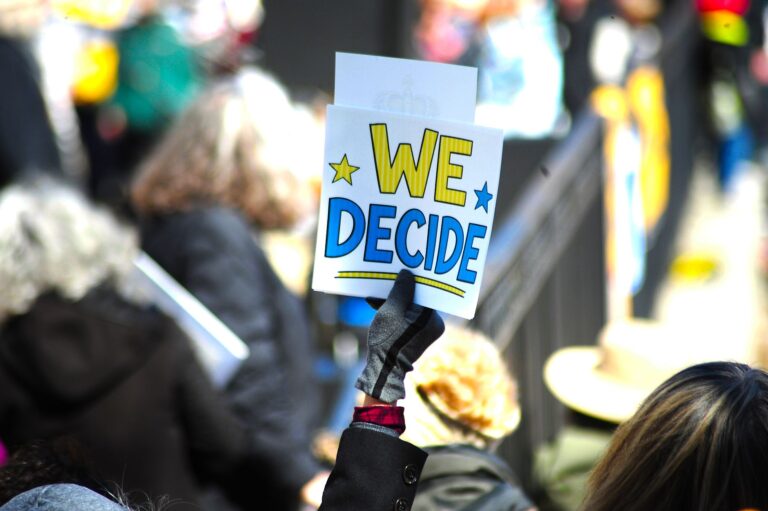
Trump's Section 106 proposal removes mandatory public participation in federal project reviews, allowing agencies to skip community consultation entirely on historic properties and Tribal sites.

The overhaul reflects a broader Trump administration effort to accelerate infrastructure development by cutting regulatory timelines.

Congress, not design agencies, legally controls whether the Trump arch can be built—but the administration is arguing a 1925 law exempts it from needing Congressional approval.
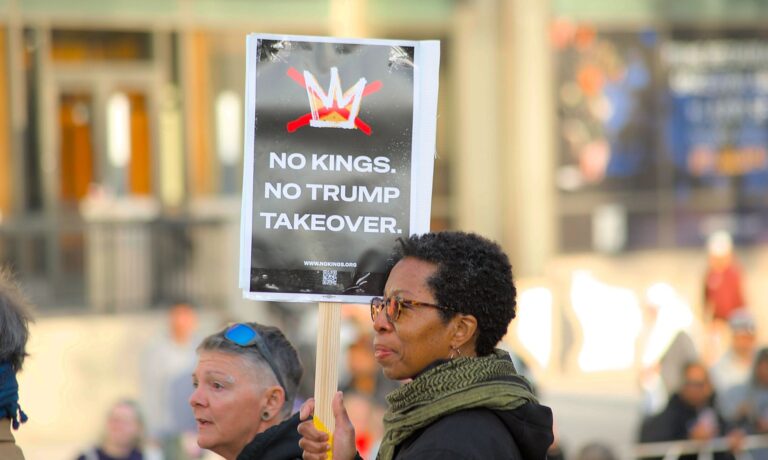
NPS review found a 250-foot Trump Arch would harm 37 historic sites, disrupting visual sightlines between Arlington, Lincoln Memorial, and Capitol landmarks.
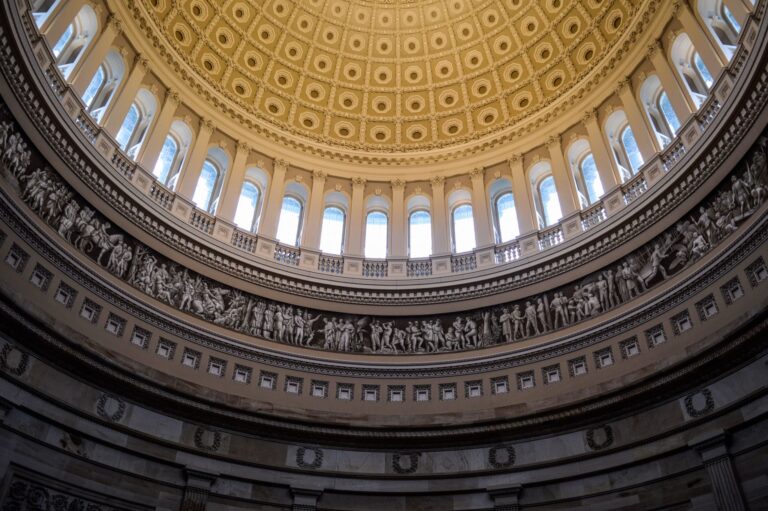
Federal review found the arch would harm 37 historic sites; the government then changed the rules to proceed anyway.
The National Park Service identified 37 historic properties adversely affected by the proposed 250-foot arch, forcing mandatory federal consultation on mitigation.
A federal court ruled that President Trump cannot demolish White House portions without congressional approval, redefining presidents as stewards, not owners.