
In early July 2025, the Trump administration deported at least eight men to South Sudan, a war-torn and politically unstable nation, even though most of the men had no connection whatsoever to the country. The deportees were nationals of six different countries — Cuba, Laos, Mexico, Myanmar, South Sudan, and Vietnam — and were sent to one of the poorest nations on earth after being held for weeks at a U.S. military base in Djibouti. The move sparked immediate legal challenges and drew sharp dissents from Supreme Court justices who questioned whether the administration was operating above the rules that bind everyone else.
Months later, on February 25, 2026, U.S. District Judge Brian Murphy issued a sweeping 81-page ruling declaring the entire third-country deportation program unlawful and unconstitutional. Murphy found that the government had violated due process, ignored the Convention Against Torture, and carried out removals with less than 16 hours’ notice — deliberately preventing detainees from contacting lawyers or appearing in court. His blunt assessment: “It’s not fine, nor is it legal.” This article breaks down who was deported, what happened to them in South Sudan, how the Supreme Court enabled the removals before a federal judge dismantled the legal framework behind them, and what the 81-page ruling means for the future of immigration enforcement in the United States.
Table of Contents
- Who Were the 8 Men Deported to South Sudan, and Why Does the 81-Page Ruling Call It Unlawful?
- What Happened at the Djibouti Military Base Before the Deportations?
- Inside South Sudan — What Conditions Do the Deported Men Face?
- How Judge Murphy’s 81-Page Ruling Dismantles the Third-Country Deportation Framework
- The Supreme Court’s Contradictory Role and What It Means Going Forward
- The Convention Against Torture and Why It Matters in This Case
- What Comes Next for Third-Country Deportations and Immigration Policy
- Conclusion
- Frequently Asked Questions
Who Were the 8 Men Deported to South Sudan, and Why Does the 81-Page Ruling Call It Unlawful?
The eight men deported to South Sudan on July 4, 2025, were Dian Peter Domach, a South Sudanese national; Enrique Arias-Hierro and Jose Manuel Rodriguez-Quinones, both from Cuba; Thongxay Nilakout from Laos; Jesus Munoz-Gutierrez from Mexico; Kyaw Mya and Nyo Myint from Myanmar; and Tuan Thanh Phan from Vietnam. All had criminal convictions in the United States, including for homicide, attempted murder, sexual assault, lascivious acts with a child, robbery, and drug trafficking. The administration framed the deportations as a public safety measure, removing dangerous individuals from American soil. But the legal question was never really about whether these men deserved deportation. It was about whether the government could send people to a country that was not their own, without notice or legal process, to a place where they might face persecution or torture.
judge Murphy’s 81-page ruling laid this out plainly, writing that the case is “about whether the Government may, without notice, deport a person to the wrong country, or a country where he is likely to be persecuted, or tortured, thereby depriving that person of the opportunity to seek protections to which he would be undisputedly entitled.” Under existing federal law implementing the Convention against Torture, every deportee has the right to an individualized assessment of whether they face torture in their destination country. That did not happen here. The distinction matters beyond this specific case. If the government can bypass these protections for people with serious criminal records, the legal machinery exists to do it to anyone in removal proceedings. That is exactly the precedent Judge Murphy’s ruling sought to prevent.

What Happened at the Djibouti Military Base Before the Deportations?
Before the eight men ever set foot in South Sudan, they spent weeks detained at a U.S. military base in Djibouti, a small country in the Horn of Africa. This staging area became a central point of contention in the legal battle. The men were held in a kind of legal limbo — outside the United States but under U.S. government control, waiting while courts debated whether the transfers could proceed. Lower courts had initially ordered the administration to provide 15 days’ notice before carrying out any third-country deportation, a safeguard intended to give detainees time to challenge their removal and consult with attorneys.
However, on June 23, 2025, the Supreme Court blocked that lower court order, effectively removing the notice requirement and greenlighting the administration to proceed. Then on July 3, 2025, the Court specifically cleared the transfer of the eight men from Djibouti to South Sudan. The deportation was completed the following day. Justice Sotomayor, joined by Justice Jackson, issued a sharp dissent: “This order clarifies only one thing: Other litigants must follow the rules, but the administration has the Supreme Court on speed dial.” The Djibouti detention raises a troubling procedural question that the 81-page ruling later addressed. If the government can move deportees to an offshore military installation and then argue that logistical realities make court intervention impractical, it creates a mechanism for circumventing judicial review entirely. Judge Murphy found this was not incidental but deliberate — a strategy to make legal challenges functionally impossible by the time anyone could file them.
Inside South Sudan — What Conditions Do the Deported Men Face?
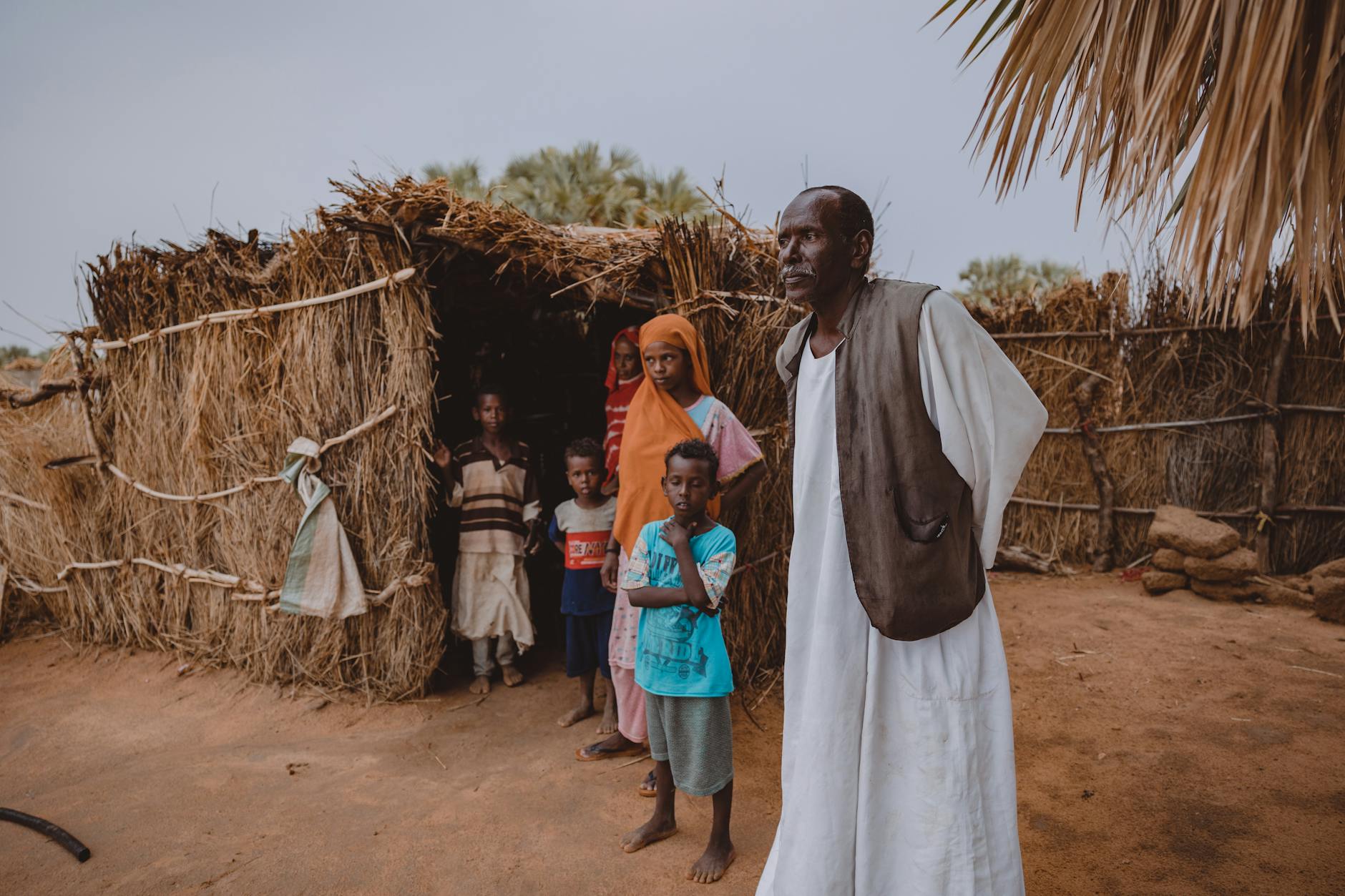
South Sudan has been mired in civil conflict, political instability, and humanitarian crisis since gaining independence in 2011. It is consistently ranked among the most dangerous and poorest countries in the world. Sending people there who have no ties to the country, no local support network, and no knowledge of the language or customs is not a neutral act. It is a decision with life-altering consequences. As of January 2026, reporting indicated that six of the eight deported men remained in South Sudanese detention, living in a guarded complex with limited electricity and heavy mosquito infestation. They had minimal or no access to lawyers or family members.
The one South Sudanese national among the group, Dian Peter Domach, was reportedly released to relatives — an outcome unavailable to the other seven men who had no connections in the country. The status of the eighth man was unclear from available reporting. These conditions underscore the core argument in Judge Murphy’s ruling. The Convention Against Torture, as implemented into U.S. federal law, requires individualized risk determinations when someone claims they fear torture or persecution in a destination country. The government did not conduct those assessments before sending these men to South Sudan. For individuals with no ties to the country, no local language skills, and no family, detention in a foreign country with limited rule of law is not merely uncomfortable — it raises serious questions about whether the United States has effectively rendered people to conditions that violate its own legal obligations.
How Judge Murphy’s 81-Page Ruling Dismantles the Third-Country Deportation Framework
Judge Murphy’s February 25, 2026 decision was not a narrow procedural ruling. It was a comprehensive dismantling of the legal justifications the administration had offered for its third-country deportation program. At 81 pages, the ruling methodically addressed constitutional due process, federal statutory requirements, and the government’s own conduct during the litigation. Among the most damaging findings: the government removed six people to South Sudan with less than 16 hours’ notice, carried out the transfers overnight, and did so without giving the deportees any opportunity to contact lawyers or be heard in court. Judge Murphy called this a “willful violation” of his previous court order — not an oversight or a logistical challenge, but a deliberate choice to circumvent judicial oversight.
The ruling found that the policy violates due process under the Constitution and violates the Convention Against Torture by failing to conduct the individualized risk assessments that federal law requires. The practical requirements Murphy imposed are significant. Going forward, the government must provide meaningful notice before third-country removals, give detainees a genuine opportunity to contest their deportation, and first attempt to deport people to their actual home countries as listed on their removal paperwork. The ruling effectively says that the government cannot use a third country as a dumping ground simply because the deportee’s home country is uncooperative or because a third country is willing to accept them. Murphy paused his ruling for 15 days to allow the administration time to appeal, setting up the next phase of what is likely to be a prolonged legal battle.
The Supreme Court’s Contradictory Role and What It Means Going Forward
The Supreme Court’s involvement in this saga has been anything but straightforward, and its decisions created the very conditions that Judge Murphy later found unlawful. By blocking the lower court’s 15-day notice requirement on June 23, 2025, and then specifically clearing the South Sudan deportations on July 3, the Court removed the procedural guardrails that might have prevented the constitutional violations Murphy identified months later. This creates a genuine tension in the legal system. A district court judge has now declared the entire program unconstitutional and unlawful, but the Supreme Court previously intervened to allow specific deportations under that same program to proceed.
Justice Sotomayor’s dissent now reads as prescient rather than hyperbolic — the administration did, in fact, use the Supreme Court’s emergency rulings to carry out removals that a lower court later found violated basic constitutional protections. The question going forward is whether the Supreme Court will take up the broader constitutional questions or continue to address the program through emergency orders that lack full briefing and argument. Emergency docket rulings — sometimes called the “shadow docket” — allow the Court to make consequential decisions without the transparency and deliberation of merits cases. For individuals who may be deported to third countries in the future, the difference between a fully briefed constitutional ruling and a one-paragraph emergency order could be the difference between having a meaningful day in court and being put on a plane overnight.
The Convention Against Torture and Why It Matters in This Case
The Convention Against Torture is not an abstract international agreement with no domestic teeth. It was implemented into U.S. federal law and requires that before the government removes someone to a country where they claim they will face torture, an individualized determination must be made about whether that risk is real.
📨 Get Free Accountability Coverage Alerts
Free · No spam · Unsubscribe anytime
This is not optional, and it applies regardless of the deportee’s criminal history. Judge Murphy’s ruling found that the administration conducted no such assessments before sending the eight men to South Sudan. For individuals from Cuba, Laos, Mexico, Myanmar, and Vietnam — countries with their own complex human rights situations — being sent instead to a country in active civil conflict, where they have no legal status, no family, and no resources, raises exactly the kind of torture and persecution risks the Convention was designed to prevent. The ruling makes clear that expedience is not a legal basis for bypassing these protections, no matter how politically popular the deportations may be.
What Comes Next for Third-Country Deportations and Immigration Policy
The administration has signaled it will appeal Judge Murphy’s ruling, and the 15-day pause he built into the decision was designed to accommodate that process. The case is likely headed to the First Circuit Court of Appeals and could eventually reach the Supreme Court on the merits rather than through the emergency docket. How the appellate courts handle this will set the legal boundaries for third-country deportation as a policy tool for years to come. Beyond the courtroom, the South Sudan deportations have become a reference point in the broader debate over immigration enforcement.
Supporters of the administration argue that removing individuals with serious criminal convictions serves public safety regardless of the destination. Critics, including Judge Murphy, argue that the rule of law requires process — that the government cannot claim to stand for order while violating its own legal obligations. The eight men sent to South Sudan are not abstractions in this debate. Six of them remained in foreign detention as of early 2026, with uncertain futures and limited recourse. Whatever happens on appeal, their cases will be the factual foundation on which this area of law is built or dismantled.
Conclusion
The deportation of eight men to South Sudan and the subsequent 81-page ruling by Judge Murphy represent a critical inflection point in U.S. immigration law. The case established that the government cannot send people to countries they have no connection to without notice, without legal process, and without assessing whether they face torture — regardless of their criminal history.
The ruling’s detailed findings of willful violations and constitutional breaches go beyond a single policy dispute and raise fundamental questions about executive power, judicial oversight, and the limits of enforcement discretion. For anyone following immigration policy, government accountability, or civil liberties, this case is one to watch closely. The appeal will test whether the constitutional protections Judge Murphy articulated can survive the political pressures driving the administration’s deportation agenda. The answer will affect not just the eight men in South Sudan, but the legal framework governing how the United States treats every person in its removal system.
Frequently Asked Questions
What is a “third-country deportation”?
A third-country deportation is when the U.S. government removes someone not to their home country but to a different nation. In this case, men from Cuba, Laos, Mexico, Myanmar, and Vietnam were sent to South Sudan, a country most had no connection to.
Why were these men sent to South Sudan specifically?
The administration has not fully explained why South Sudan was chosen. The men’s home countries were either uncooperative in accepting deportees or presented logistical challenges. South Sudan apparently agreed to receive them, though the arrangement has not been publicly detailed.
Does the 81-page ruling stop all third-country deportations?
Judge Murphy’s ruling declared the program unlawful and unconstitutional and requires the government to attempt deportation to home countries first, provide meaningful notice, and allow detainees to contest removal. However, he paused the ruling for 15 days to allow an appeal, and the administration has indicated it will challenge the decision.
What did the Supreme Court decide in this case?
The Supreme Court intervened twice — first on June 23, 2025, blocking a lower court’s 15-day notice requirement, and then on July 3, 2025, specifically clearing the deportation of the eight men to South Sudan. Justice Sotomayor dissented sharply both times.
What is the current status of the deported men?
As of January 2026, six of the eight men remained in South Sudanese detention in a guarded complex with limited electricity and heavy mosquito infestation. They had minimal or no access to lawyers or family. The South Sudanese national was reportedly released to relatives.
Does the Convention Against Torture apply even to people with serious criminal records?
Yes. The Convention Against Torture, as implemented in U.S. federal law, requires individualized risk assessments before deporting anyone to a country where they claim they may face torture. This protection applies regardless of criminal history.
You Might Also Like
- Trump’s IRS Tactics Against Meta Open New Front in Corporate Tax Battle
- Psychiatrist Emailed DraftKings She “Should Probably Quit”…They Sent Her $500 Credits
- Class Action Against xAI Alleges Grok Published Millions of Deepfakes Without Consent