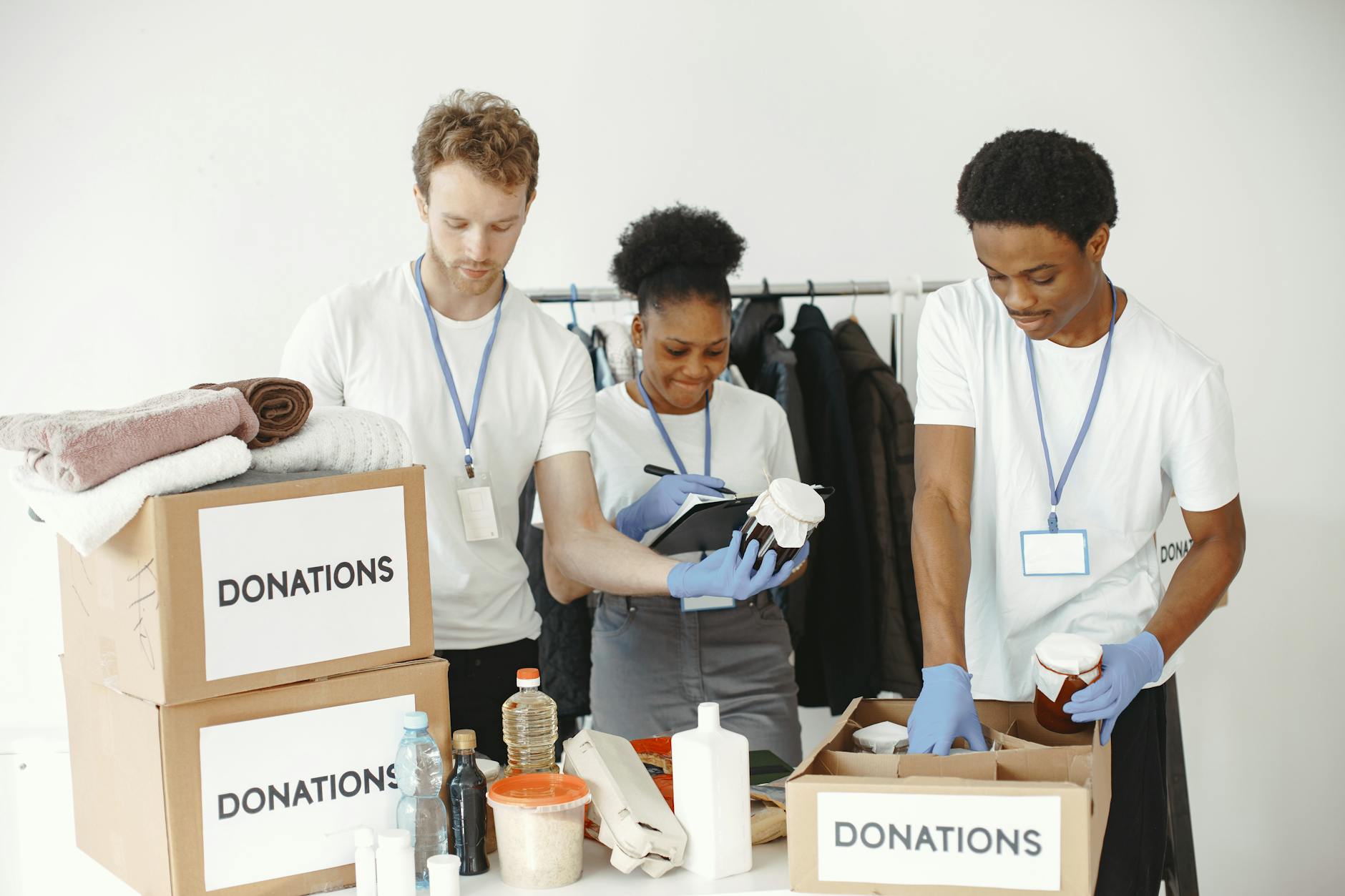
Arab American communities and a broad coalition of antiwar organizations are mobilizing rallies in cities across the United States in response to the joint U.S.-Israeli military strikes on Iran that began on February 28, 2026. From Washington, D.C. to Houston to Chicago, thousands of demonstrators have taken to the streets over the past several days, carrying signs reading “No New US War In The Middle East” and demanding an immediate end to the escalating conflict. The protests intensified after reports emerged that strikes hit targets in Tehran, Isfahan, and Tabriz, with Iranian state media confirming the killing of Supreme Leader Ayatollah Ali Khamenei and separate reporting that three American troops have been killed in the escalating hostilities.
The speed and scale of the organizing effort reflects years of infrastructure built by Arab American, Iranian American, Muslim American, and broader antiwar coalitions, many of which were already mobilized around the Gaza conflict throughout 2025. Dearborn, Michigan, home to the highest concentration of Arab Americans in the country with a population exceeding 100,000, has served as a focal point, but the protests have spread well beyond traditional activist hubs into smaller cities like Geneseo, New York and New Haven, Connecticut. This article examines where and how these rallies are being organized, who is leading them, what the demonstrators are demanding, and what the broader political implications may be for communities caught between U.S. foreign policy decisions and their personal ties to the Middle East.
Table of Contents
- Where Are Arab American and Allied Communities Organizing Anti-Bombing Rallies?
- Who Is Leading the Antiwar Coalition and What Are They Demanding?
- Dearborn and the Arab American Epicenter of Antiwar Activism
- How the Iranian Diaspora Has Shaped the Scale of Global Protests
- Security Concerns and the Risk of Backlash Against Protest Communities
- The Role of Youth-Led Organizations in Sustaining the Movement
- What Comes Next for the Antiwar Movement
- Conclusion
- Frequently Asked Questions
Where Are Arab American and Allied Communities Organizing Anti-Bombing Rallies?
The geographic spread of protests since February 28 has been striking. In Washington, D.C., hundreds of protesters gathered outside the White House on the same day the strikes were announced, according to the Washington Post. In Chicago, dozens of antiwar activists assembled at Federal Plaza in the Loop on Saturday evening, and by Sunday, hundreds were marching through downtown. Protesters in Chicago specifically referenced the bombing of a girls’ elementary school in Iran that reportedly killed 148 people, including children and school staff, a detail that became a rallying point across multiple demonstrations. Houston saw demonstrators rally on Saturday as well, and in New York City, the NYPD stepped up security at houses of worship and transit hubs by Monday, with two separate rallies planned that evening: a “Freedom for Iran” rally in Times Square and a “Stop the War” rally at Columbus Circle. Beyond the major metropolitan areas, rallies were also reported in Atlanta, Boston, and Los Angeles, with crowd estimates reaching into the thousands in some locations.
Smaller but notable gatherings took place in New Haven, Connecticut, where anti-war demonstrators rallied downtown on March 1, and in Geneseo, New York, where local activists held their own anti-war event. The breadth of these protests distinguishes them from earlier, more localized demonstrations. This is not a movement confined to coastal cities or communities with large Arab american populations. It has reached college towns, mid-sized cities, and parts of the country where foreign policy protests are rare. What makes the current wave different from past antiwar mobilizations is the speed of the response. Within hours of the first confirmed strikes, organized protests were already underway. That rapid mobilization was possible because many of these coalitions had been active throughout the Gaza conflict and had existing communication networks, social media channels, and legal support structures ready to deploy.
Who Is Leading the Antiwar Coalition and What Are They Demanding?
The protests are being coordinated by a broad and politically diverse coalition of organizations. Among the most prominent are American Muslims for Palestine, the ANSWER Coalition (Act Now to Stop War and End Racism), the National iranian American Council (NIAC), the Palestinian Youth Movement, CodePink, the Black Alliance for Peace, the Democratic Socialists of America (DSA), The People’s Forum, and 50501, a youth-led anti-war group. This coalition spans ethnic, religious, and ideological lines, uniting groups that have historically worked on different but overlapping issues related to peace, civil rights, and foreign policy. The core demand across nearly every rally has been straightforward: stop the war. Ali Tarokh, an Iranian American refugee rights advocate, put it plainly at one of the demonstrations: “The message is simple: Stop this war. As an Iranian American who arrived here 13 years ago, I’m telling you, stop this war.
This is not Iranian war. We don’t want this war.” That sentiment captures a tension felt acutely by many in the diaspora community. They are not defending the Iranian government. They are objecting to military action that they believe will kill civilians, destabilize the region further, and put their families and communities in danger both abroad and at home. However, the breadth of the coalition also means there is no single unified platform beyond the call to stop military action. Some organizations are focused specifically on the Iran strikes, while others tie the current conflict to the broader U.S. posture in the Middle East, including ongoing support for Israeli military operations. That ideological range is both a strength, allowing for large turnout, and a potential limitation if the movement needs to coalesce around specific legislative or policy demands in the coming weeks.
Dearborn and the Arab American Epicenter of Antiwar Activism
Dearborn, Michigan has long been the symbolic and practical center of Arab American political life in the United States, and the current crisis has only reinforced that status. With the highest concentration of Arab Americans of any city in the country and a population exceeding 100,000, Dearborn has been a focal point for Middle East-related activism throughout the Gaza conflict and now in response to the Iran strikes. Local mosques, community centers, and cultural organizations have served as organizing hubs, and the city’s political leaders have faced intense pressure from constituents to take public stances against U.S. military involvement. The political weight of Dearborn extends well beyond its city limits. Michigan is a swing state, and Arab American and Muslim American voters in the Detroit metropolitan area have demonstrated their willingness to use their votes as leverage on foreign policy issues. During the 2024 presidential primary, an organized “uncommitted” campaign in Michigan drew national attention to the community’s dissatisfaction with U.S.
policy on Gaza. The current conflict has the potential to deepen that political rupture. Community organizers in Dearborn have been explicit that their activism is not just about street protests but about holding elected officials accountable at the ballot box. What sets Dearborn apart from other protest centers is the personal immediacy of the conflict for its residents. Many families have direct ties to Lebanon, Iraq, Yemen, Palestine, and Iran. The strikes are not an abstract foreign policy debate for these communities. They are watching family members’ neighborhoods on the news and trying to reach relatives by phone. That personal dimension gives the Dearborn-based activism an urgency and emotional weight that is difficult to replicate in communities without those direct connections.
How the Iranian Diaspora Has Shaped the Scale of Global Protests
The current U.S.-based rallies are part of a much larger wave of diaspora-led protests that have swept across the globe since the beginning of 2026. Earlier Iranian diaspora demonstrations drew staggering numbers: Toronto saw an estimated 350,000 attendees, Los Angeles also drew approximately 350,000, and Munich attracted over 250,000 by mid-February. Most of these rallies were reported as peaceful, and they reflected a diaspora community that, while deeply divided on many issues related to the Iranian government, found common cause in opposing military strikes that would devastate civilian populations. The scale of the diaspora protests complicates the political narrative in the United States. Administration officials have framed the strikes as a decisive response to Iranian aggression and a necessary step to protect American interests and allies. But when hundreds of thousands of Iranian Americans and their allies take to the streets in opposition, it becomes harder to maintain the argument that the strikes enjoy broad public support, even among communities that have no love for the Iranian regime.
Many diaspora protesters have been careful to distinguish between opposing the Iranian government and opposing the bombing of Iranian cities, schools, and civilian infrastructure. The tradeoff for diaspora communities is a painful one. Many Iranian Americans fled the Islamic Republic precisely because of its authoritarian governance. They are now in the position of protesting military action against a government they do not support, because the consequences of that action fall on civilians, including their own family members. That nuance has sometimes been lost in media coverage, which can flatten the diaspora perspective into a simple pro- or anti-regime binary. The reality, as organizers have repeatedly emphasized, is far more complicated.
Security Concerns and the Risk of Backlash Against Protest Communities
One of the most immediate concerns for Arab American and Muslim American communities is the potential for backlash, both from law enforcement and from the general public. In New York City, the NYPD’s decision to step up security at houses of worship and transit hubs on Monday was framed as a protective measure, but community advocates have noted that heightened security can also mean heightened surveillance of the very communities that are organizing protests. The history of post-9/11 surveillance of Muslim American communities looms large, and many organizers are wary of a repeat of that era’s abuses. The risk is not hypothetical. During previous periods of escalation in the Middle East, Arab American and Muslim American communities have experienced spikes in hate crimes, discrimination, and government scrutiny. Community organizations have been circulating know-your-rights information, advising protesters on how to interact with law enforcement, and establishing legal hotlines for anyone who experiences harassment or detention.
The ANSWER Coalition and NIAC have both published guidance for protesters, and legal observers have been present at many of the larger demonstrations. There is also a political risk. Elected officials who express sympathy with the antiwar movement may face accusations of being insufficiently supportive of U.S. troops or national security. That dynamic can have a chilling effect on political speech, particularly for Arab American and Muslim American officials who already face disproportionate scrutiny. The tension between exercising First Amendment rights and navigating a hostile political environment is something these communities have dealt with for decades, but the current moment has raised the stakes considerably.
The Role of Youth-Led Organizations in Sustaining the Movement
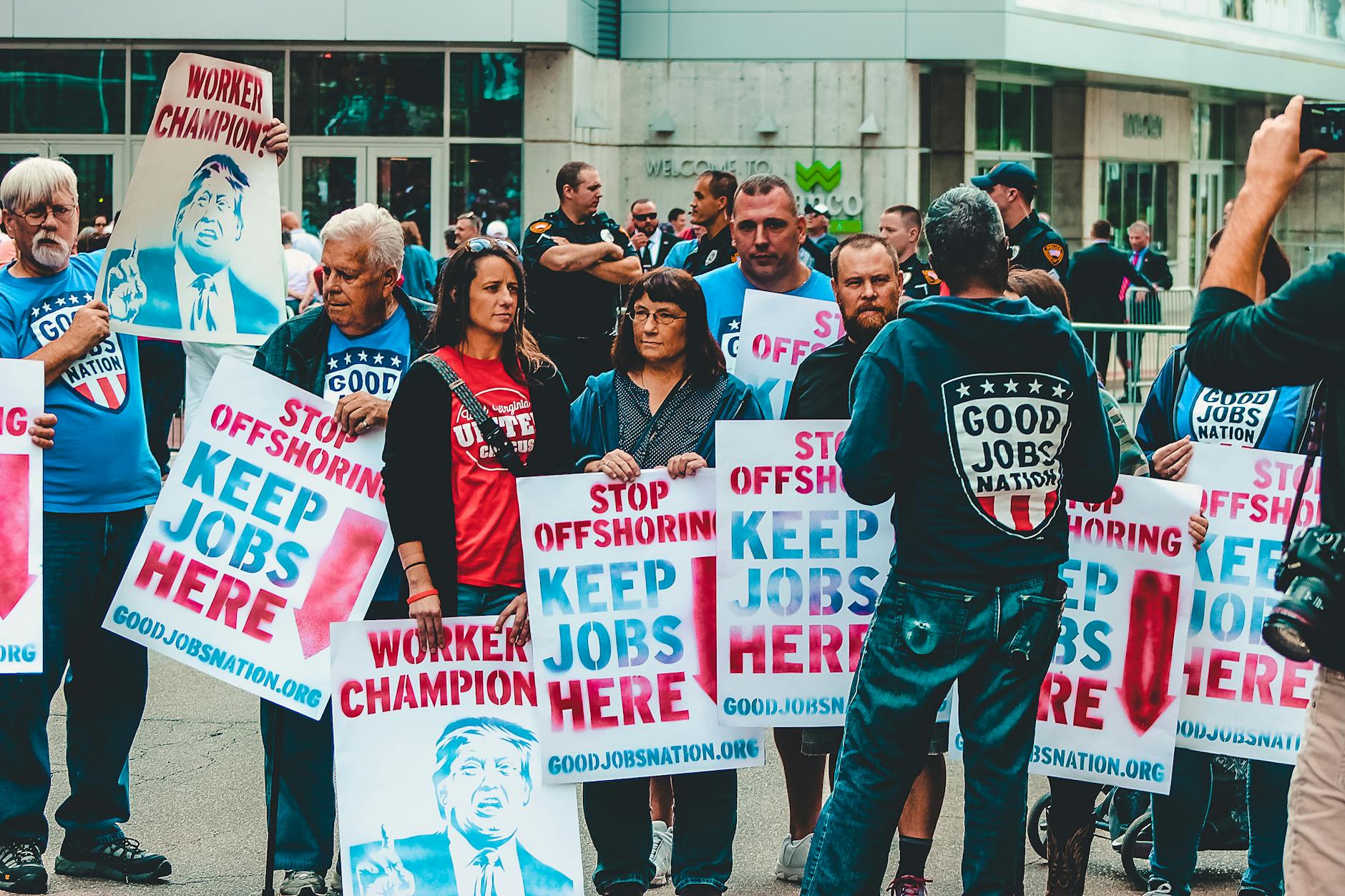
One of the defining features of the current protest wave has been the prominence of youth-led organizations. The group 50501, a youth-led anti-war organization, has been among the coalition members organizing emergency protests alongside more established groups like the ANSWER Coalition and CodePink. College campuses, which were already sites of significant activism around the Gaza conflict, have seen renewed organizing around the Iran strikes, with student groups coordinating walkouts, teach-ins, and solidarity rallies.
📨 Get Free Accountability Coverage Alerts
Free · No spam · Unsubscribe anytime
The involvement of younger activists matters for the long-term trajectory of the movement because it suggests that antiwar sentiment is not confined to older generations with memories of the Iraq War. A new cohort of organizers is building skills, networks, and political infrastructure that will outlast the current crisis. Whether that energy translates into sustained political pressure or dissipates once the immediate headlines fade remains to be seen, but the organizational capacity being built right now is real.
What Comes Next for the Antiwar Movement
The trajectory of the protests will depend heavily on what happens on the ground in Iran and in the halls of Congress over the coming weeks. If the military conflict escalates further, with additional U.S. troop casualties or reports of mass civilian casualties in Iran, the protests are likely to grow in both size and intensity. Conversely, if diplomatic channels open and a ceasefire becomes plausible, some of the urgency may recede, though organizers have indicated they intend to maintain pressure regardless.
The more durable question is whether the antiwar coalition can translate street-level energy into concrete political outcomes. That means lobbying members of Congress to invoke the War Powers Act, pushing for hearings on the authorization and conduct of the strikes, and ensuring that the communities most affected by U.S. foreign policy have a seat at the table when decisions are made. The rallies are a beginning, not an end. For Arab American communities and their allies, the real work of accountability is just getting started.
Conclusion
The wave of antiwar rallies sweeping across the United States reflects the depth of opposition to the joint U.S.-Israeli strikes on Iran among Arab American, Iranian American, and allied communities. From major cities like Washington, Chicago, Houston, and New York to smaller communities in Connecticut and upstate New York, thousands of Americans have demanded an end to the bombing and a turn toward diplomacy. The protests are organized by a broad and diverse coalition that includes American Muslims for Palestine, NIAC, CodePink, DSA, and the youth-led 50501, among many others.
For the communities at the center of this movement, the stakes are both political and deeply personal. These are not abstract policy disagreements. They involve real families, real neighborhoods, and real lives on the line. As the conflict continues to develop, the organizational infrastructure being built right now, from legal hotlines to voter mobilization campaigns, will determine whether this moment of protest becomes a sustained movement for policy change and government accountability.
Frequently Asked Questions
Where have the largest antiwar rallies taken place in the U.S.?
The largest reported demonstrations have been in Washington, D.C. (outside the White House), Chicago (Federal Plaza and downtown marches), Houston, New York City (Times Square and Columbus Circle), Los Angeles, Boston, and Atlanta. Smaller rallies have also taken place in New Haven, CT, Geneseo, NY, and other cities.
Which organizations are leading the antiwar protest movement?
A coalition of groups including American Muslims for Palestine, the ANSWER Coalition, the National Iranian American Council (NIAC), the Palestinian Youth Movement, CodePink, the Black Alliance for Peace, the Democratic Socialists of America (DSA), The People’s Forum, and 50501 (a youth-led anti-war group) have coordinated the demonstrations.
Why is Dearborn, Michigan significant in the antiwar movement?
Dearborn has the highest concentration of Arab Americans in the United States, with a population exceeding 100,000. The city has been a focal point for Middle East-related activism and its residents often have direct family ties to affected regions, making the conflict intensely personal.
How large have the global diaspora protests been?
Earlier Iranian diaspora protests in January and February 2026 drew massive crowds internationally. Toronto and Los Angeles each saw an estimated 350,000 attendees, while Munich attracted over 250,000. Most rallies were reported as peaceful.
What are the protesters specifically demanding?
The central demand is for the U.S. to stop military strikes on Iran. As Iranian American advocate Ali Tarokh stated at one rally: “The message is simple: Stop this war. This is not Iranian war. We don’t want this war.” Beyond that, various coalition members are pushing for congressional invocation of the War Powers Act and diplomatic engagement.
Have there been security concerns related to the protests?
Yes. In New York City, the NYPD stepped up security at houses of worship and transit hubs. Community organizations have been circulating know-your-rights information and establishing legal hotlines, mindful of the history of post-9/11 surveillance and hate crime spikes during periods of Middle East conflict escalation.
You Might Also Like
- Weapons Scattered Across Iran After Regime Collapse Could Arm Extremists for Decades
- War Crimes Allegations Are Already Emerging From the Iran Bombing Campaign
- The Libertarian Wing of the GOP Joins the Anti-War Coalition Against Trump