
America’s European allies did not sign up for the war with Iran, and they are making that fact loudly and publicly clear. When the United States and Israel launched Operation Epic Fury on February 28, 2026, striking targets across Iran and ultimately killing Supreme Leader Ali Khamenei, NATO allies in Europe were not consulted, not included in planning, and not asked to participate. Britain, France, and Germany issued a joint statement confirming they played no role in the strikes. NATO Secretary General Mark Rutte declared that the alliance as an organization does not and will not participate in the US-Israeli operation.
Spain went further, becoming the only NATO country to actively refuse support by banning the US from using its military bases and sending American Air Force tankers away. Yet despite their non-participation, European nations are now paying the price. Iranian retaliatory strikes have targeted multinational bases in Iraq and Jordan where European troops are stationed, and a drone struck the British base at RAF Akrotiri on Cyprus. European governments are scrambling to defend their military installations and evacuate citizens from the region — drawn into the consequences of a war they explicitly refused to join. This article examines how Operation Epic Fury unfolded without allied consultation, how individual European nations have responded, what the fallout means for NATO’s future, and why analysts believe this moment may permanently reshape the transatlantic security relationship.
Table of Contents
- Why Did America’s European Allies Refuse to Participate in the Iran War?
- How Has NATO Responded to Operation Epic Fury?
- European Military Bases Under Attack Despite Non-Participation
- Spain’s Outright Refusal and What It Signals for the Alliance
- NATO Exercises Without America — A Sign of What’s Coming
- The Diplomatic Fallout and the Call for UN Action
- What This Means for the Future of the Transatlantic Alliance
- Conclusion
- Frequently Asked Questions
Why Did America’s European Allies Refuse to Participate in the Iran War?
The simplest answer is that they were never asked. The Trump administration and Israel planned and executed operation epic Fury without consulting European partners, sidelining nations that have historically been America’s closest military allies. This was not a case of allies weighing the evidence and declining to join — they were presented with a fait accompli. British Prime Minister Keir Starmer, French President Emmanuel Macron, and German Chancellor Friedrich Merz confirmed in their joint statement that their countries did not take part in the strikes, though they noted they remain “in close contact” with the US, Israel, and regional partners. The lack of consultation is significant because it breaks from decades of diplomatic precedent. Even when European allies disagreed with American military decisions — as France and Germany did with the 2003 Iraq invasion — they were at least brought into the conversation beforehand.
This time, the first many European leaders learned of the operation’s full scope was from news reports. French President Macron called the strikes an “outbreak of war” that “carries serious consequences for international peace and security” and called for an urgent UN Security Council meeting. That language — from one of America’s oldest allies — reflects genuine alarm, not diplomatic theater. The European position is also shaped by practical calculation. nato‘s Article 5, the collective self-defense clause, was not invoked, and NATO leadership has signaled it is unlikely to be triggered by attacks on American assets in the region. The reasoning is straightforward: invoking Article 5 could further fray an alliance already under enormous strain. European leaders are making a conscious choice to preserve NATO’s structural integrity rather than be dragged into a conflict they believe was reckless and unilateral.

How Has NATO Responded to Operation Epic Fury?
NATO Secretary General Mark Rutte’s statement was unambiguous: NATO as an organization does not and will not participate in the US-Israeli operation against Iran. This is a remarkable position for an alliance whose founding purpose was collective defense under American leadership. Rutte’s declaration effectively draws a line between the United States’ unilateral military actions and NATO’s institutional obligations, a distinction that would have been almost unthinkable a decade ago. However, the situation is more complicated than a clean separation suggests. If Iranian retaliation escalates to directly target NATO member states’ home territories — not just overseas bases — the calculus could shift dramatically.
An attack on a NATO member’s sovereign soil would create intense pressure to invoke Article 5, potentially pulling the entire alliance into a conflict that most members actively sought to avoid. This is the nightmare scenario European defense planners are now gaming out: being forced into a war through the back door of Iranian escalation rather than through any deliberate allied decision. EU top diplomat Kaja Kallas called the situation “perilous” and urged “maximum restraint,” while European Council President Antonio Costa labeled the bombings “a dangerous escalation” and said the priority must be “to restore peace and stability in the region.” The absence of NATO unity also sends a signal to adversaries. Russia, China, and other powers are watching closely as the Western alliance fractures over a major military operation. Whether this division emboldens other actors to test NATO’s resolve in Europe itself — particularly along NATO’s eastern flank — is an open and deeply concerning question for European security officials.
European Military Bases Under Attack Despite Non-Participation
The cruelest irony of Europe’s non-participation is that European troops are being attacked anyway. Iran’s retaliatory strikes targeted multinational bases hosting European forces in Erbil, Iraq, and Al Azraq, Jordan. Troops from Norway, Sweden, Italy, France, Hungary, and the Netherlands were stationed at these locations — not as part of any Iran operation, but as part of longstanding counter-ISIS and regional stability missions. These soldiers signed up to fight terrorism, not to become collateral targets in an American-Israeli war with Iran. The strike on RAF Akrotiri in Cyprus brought the conflict even closer to European soil.
An Iranian drone hit the British sovereign base area, though fortunately there were no casualties and damage was reported as “limited.” German soldiers at Erbil and Al Azraq were relocated to air raid shelters and were unharmed. But the message was clear: geography does not respect diplomatic statements. European forces in the Middle East are vulnerable regardless of whether their governments endorsed the operation that provoked Iran’s retaliation. European nations now face an urgent operational crisis. They must defend their existing military installations in the region while simultaneously evacuating civilians — a logistically demanding task made harder by the chaotic security environment. Countries that chose not to participate in Operation Epic Fury are spending blood and treasure managing its consequences, a fact that will not be lost on European publics or future policymakers when the next American president asks for allied support.
Spain’s Outright Refusal and What It Signals for the Alliance
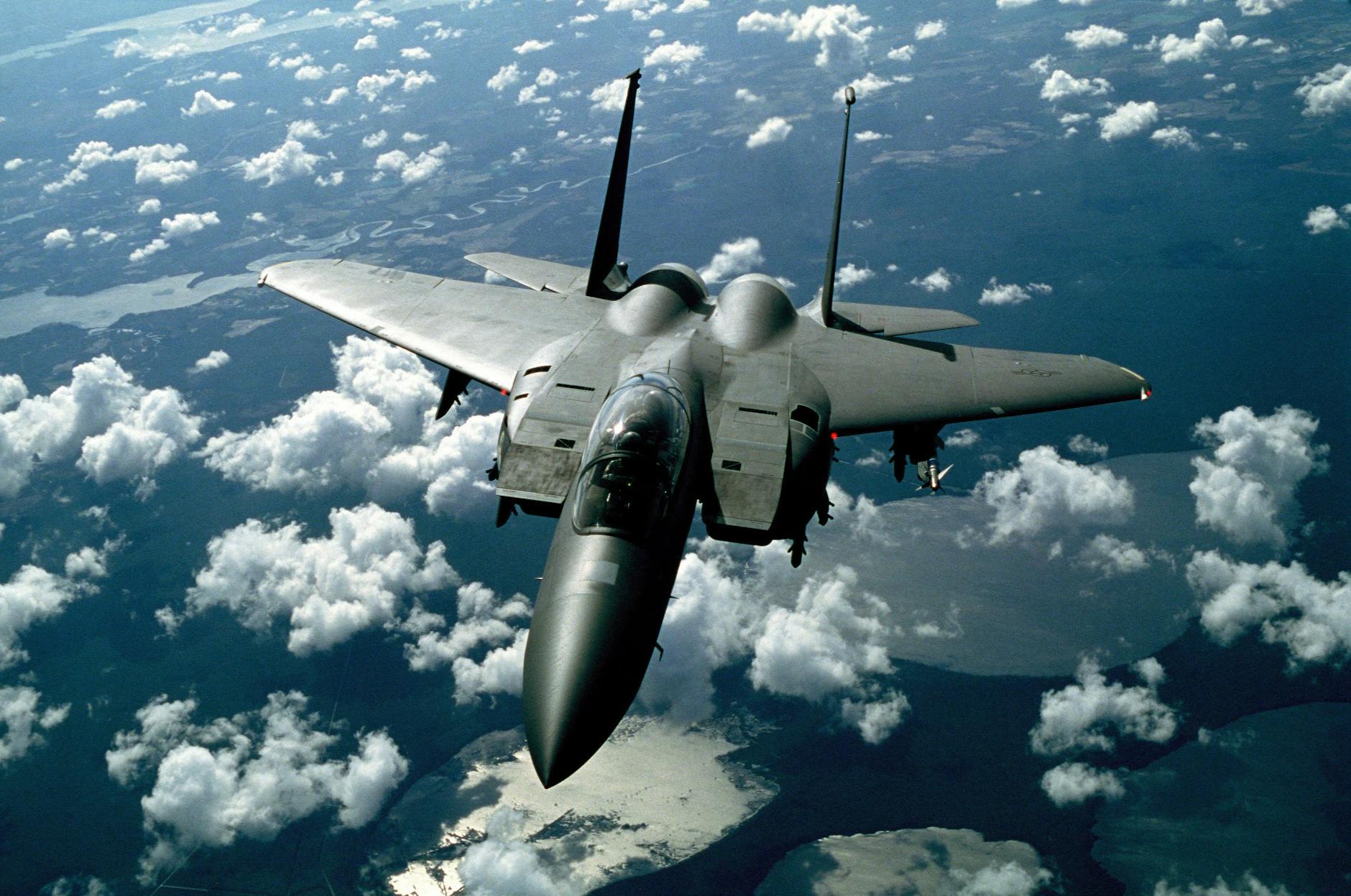
Spain’s response stands apart from the rest of Europe. While other NATO members issued carefully worded statements of non-participation, Spain became the only alliance member to actively refuse support for Operation Epic Fury. The Spanish government banned the United States from using its military bases and ordered US Air Force tankers stationed there to leave. This is not mere diplomatic distancing — it is an active obstruction of American military logistics, an extraordinary step for a NATO ally. Compare Spain’s approach to the British and French response. The UK and France confirmed non-participation but maintained the language of cooperation, noting they remain “in close contact” with the United States. They condemned Iran’s counter-strikes, implicitly acknowledging the legitimacy of concerns about Iranian behavior even while refusing to endorse the military response.
Spain, by contrast, made no such accommodations. The difference reflects varying calculations about the costs of alienating Washington versus the domestic political price of appearing complicit in an unpopular war. For Spain, the political math clearly favored distance. The tradeoff is real. Countries that refuse American base access risk future retaliation in trade negotiations, defense cooperation, and diplomatic support. Countries that quietly accommodate American operations risk being targeted by Iran and losing public trust at home. There is no cost-free option, and each European government is making its own bet about which price is higher. The fact that even Spain’s outright refusal has not triggered a visible American backlash — Washington being rather preoccupied with the war itself — may encourage other allies to take harder lines if the conflict escalates further.
NATO Exercises Without America — A Sign of What’s Coming
In a development that predates Operation Epic Fury but now looks prophetic, 10,000 troops from 11 NATO nations launched “Steadfast Dart,” the alliance’s largest scheduled exercise, without any American troops participating. This was unprecedented in NATO’s 77-year history. The exercise was explicitly designed to test how well European members could work together if American forces were occupied elsewhere — a scenario that has now arrived with jarring speed. The warning embedded in Steadfast Dart is difficult to overstate. For decades, European defense planning assumed American participation as a baseline.
Training without the US was not just unusual — it was structurally unnecessary, because American logistics, intelligence, and firepower were always part of the equation. The fact that NATO planners felt the need to test a US-free operational model before the Iran crisis even began suggests that the erosion of transatlantic trust has been building for some time, and that European military establishments have been quietly preparing for a more independent future. However, readiness on paper and readiness in practice are different things. European militaries remain heavily dependent on American capabilities in areas like strategic airlift, satellite intelligence, and aerial refueling. Steadfast Dart may prove that European forces can coordinate with each other, but it does not prove they can project power or sustain operations at the scale the US military provides. The gap between European defense ambitions and European defense budgets remains vast, and closing it will take years of sustained investment that many European electorates have historically been reluctant to fund.
The Diplomatic Fallout and the Call for UN Action
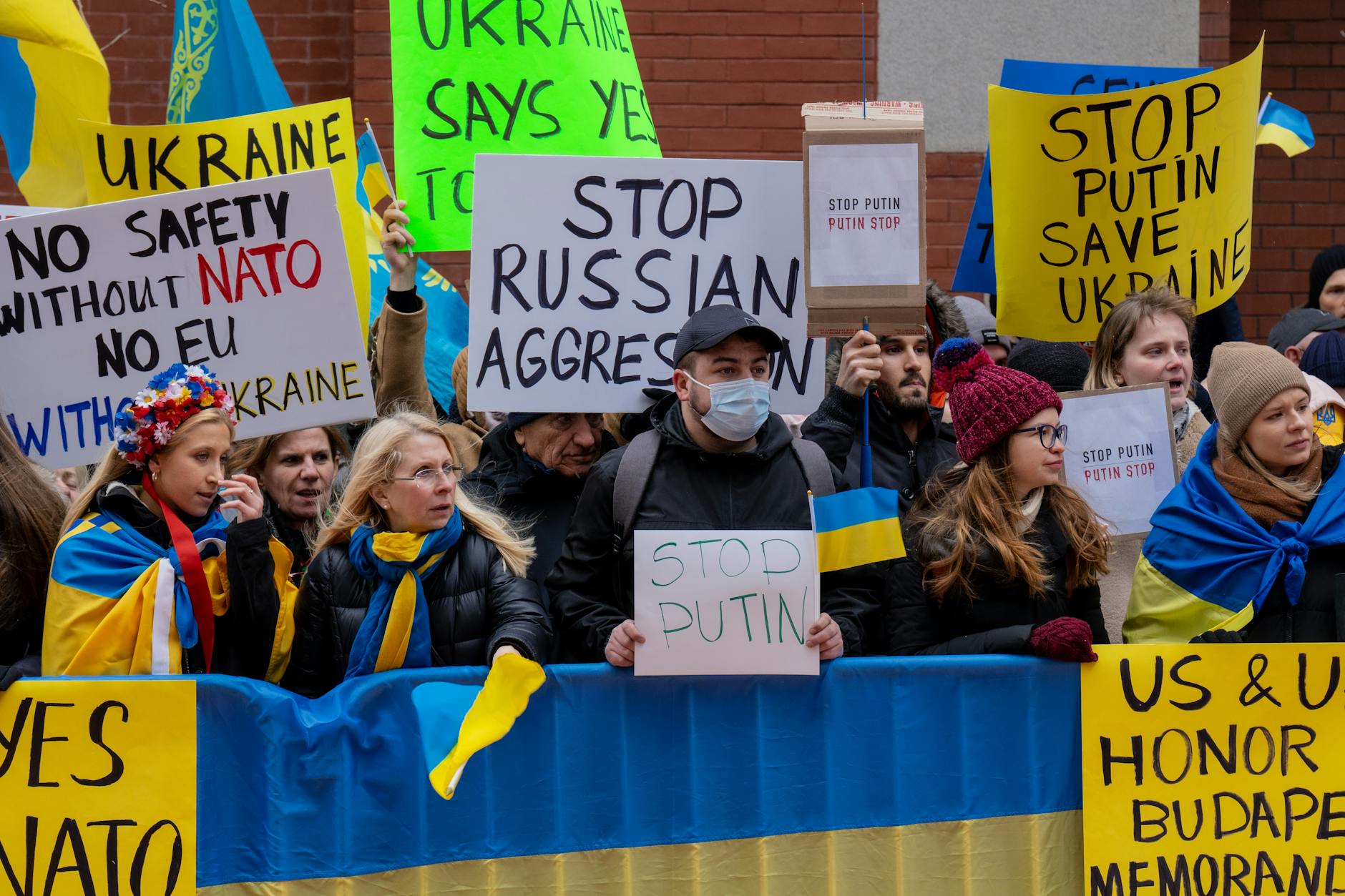
France’s call for an urgent UN Security Council meeting reflects the European instinct to channel this crisis back into multilateral institutions. Macron’s characterization of the strikes as an “outbreak of war” carrying “serious consequences for international peace and security” was diplomatic language calibrated to invoke the UN Charter’s framework for addressing threats to peace. Whether the Security Council can actually do anything meaningful is another question — the United States holds veto power — but the symbolic importance of European allies seeking a UN response to American military action is hard to miss.
📨 Get Free Accountability Coverage Alerts
Free · No spam · Unsubscribe anytime
The joint UK-France-Germany statement calling for a “resumption of diplomacy” underscores a fundamental policy disagreement. European governments had invested years in diplomatic engagement with Iran, including the original nuclear deal framework. The unilateral military strike represents a repudiation of that approach, and European leaders are now publicly advocating for the diplomatic track they believe should never have been abandoned.
What This Means for the Future of the Transatlantic Alliance
Analysts warn that the long-term damage may be the most consequential outcome of this crisis. The next time an American president goes to war and seeks allied support, there will not be many European takers. Trust, once broken in the security domain, is extraordinarily difficult to rebuild.
European nations that were blindsided by Operation Epic Fury, then forced to defend their own troops and evacuate their own citizens from its fallout, will approach future American coalition requests with deep skepticism regardless of which party holds the White House. The conflict has accelerated European moves toward defense autonomy in ways that years of policy papers and summit declarations never could. When your ally launches a major war without telling you, and your soldiers end up in bomb shelters because of it, the argument for strategic independence writes itself. The question is no longer whether Europe will pursue greater military self-sufficiency, but how fast it can get there — and whether the transatlantic alliance can survive the transition in any meaningful form.
Conclusion
America’s European allies did not participate in Operation Epic Fury, were not consulted about it, and are now managing its dangerous consequences. From NATO’s institutional refusal to participate, to Spain’s active denial of base access, to the joint UK-France-Germany statement of non-involvement, the message from Europe is consistent and clear: this was America’s war, launched on America’s terms, and Europe will not be held responsible for its outcomes. Yet European troops are sheltering from Iranian missiles, European bases have been struck, and European governments are scrambling to protect their citizens in a region engulfed by a conflict they tried to avoid.
The damage to the transatlantic relationship is already significant and may prove lasting. Decades of alliance-building, joint exercises, and shared intelligence frameworks cannot easily survive the shock of a major unilateral war launched without allied consultation. European defense autonomy, long discussed as a theoretical goal, is now an operational necessity. The soldiers of Steadfast Dart, training without American counterparts for the first time in NATO history, may have been rehearsing for the new reality — one in which Europe can no longer assume that American military power will be wielded in consultation with its allies, or in their interests.
Frequently Asked Questions
Did any European country participate in Operation Epic Fury?
No. No European country participated in the strikes. Britain, France, and Germany issued a joint statement confirming non-participation. NATO Secretary General Mark Rutte stated that NATO as an organization does not and will not participate in the operation.
Was NATO’s Article 5 invoked?
No. Article 5, NATO’s collective self-defense clause, was not invoked. NATO leadership has indicated it is unlikely to be triggered by attacks on American assets in the region, as invoking it could further fracture the alliance.
Were European troops harmed in Iran’s retaliatory strikes?
No casualties among European forces have been reported. German soldiers at Erbil and Al Azraq were relocated to air raid shelters and were unharmed. The Iranian drone strike on RAF Akrotiri in Cyprus caused only “limited” damage with no casualties. However, troops from multiple European nations — including Norway, Sweden, Italy, France, Hungary, and the Netherlands — were in targeted areas.
Which country took the strongest stance against the operation?
Spain was the only NATO country to actively refuse support for Operation Epic Fury. The Spanish government banned the US from using its military bases and ordered US Air Force tankers stationed there to leave the country.
What is Steadfast Dart?
Steadfast Dart is a NATO military exercise involving 10,000 troops from 11 NATO nations, launched without any American troops for the first time in NATO’s 77-year history. It was designed to test how well European members could operate together if American forces were occupied elsewhere.
Are European allies likely to support future US military operations?
Analysts warn that the next time a US president goes to war and seeks allied support, there will not be many European takers. The conflict has deepened doubts about the Trump administration’s reliability as a partner and accelerated European moves toward defense autonomy.
You Might Also Like
- Congress Has Not Appropriated a Single Dollar for the Iran War
- Wall Street’s Biggest Winners and Losers From the Iran War
- The Iran War Just Made Everything More Expensive for American Consumers