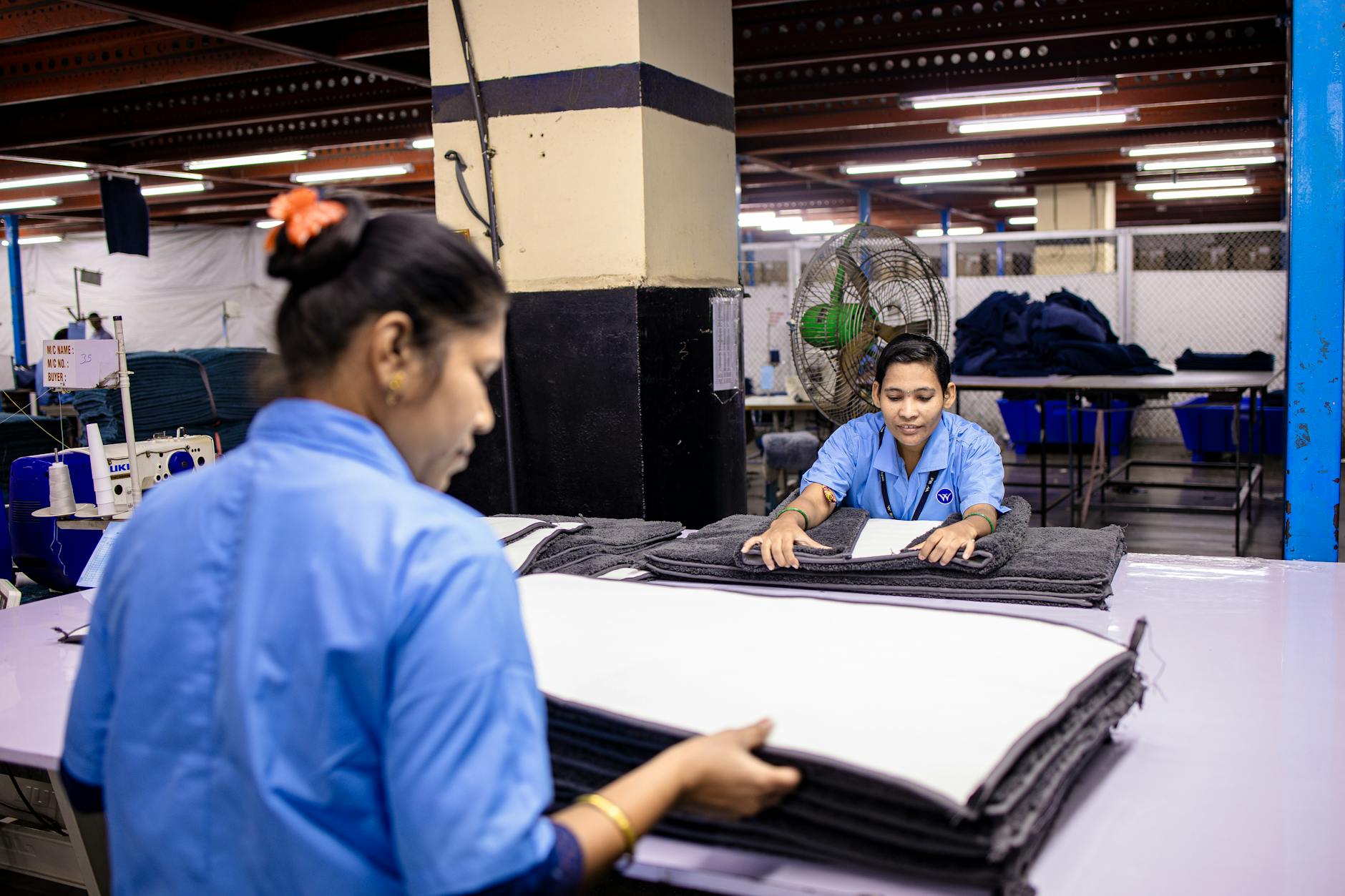
Blue-collar workers are shifting away from Democratic politics primarily due to perceived abandonment on economic issues, cultural misalignment, and what many perceive as prioritization of other constituencies over working-class concerns. Since the 1990s, the Democratic Party’s focus has increasingly centered on college-educated professionals, environmental regulations, and identity politics initiatives, while traditional manufacturing communities have experienced deindustrialization with limited Democratic response beyond symbolic support. A steelworker in Pennsylvania who voted Democratic for 30 years might point to factory closures in 2000-2010 with minimal party attention, followed by Democratic emphasis on green energy transitions that threatened remaining jobs, as evidence that the party no longer represents his economic interests.
This shift accelerated dramatically between 2016 and 2020, with Trump gaining unprecedented Republican support among white working-class voters—flipping counties that had voted Democratic since the 1980s. The realignment reflects genuine economic grievances, trade policy disagreements, and cultural resentment over what blue-collar communities perceive as coastal elite disdain for their values and livelihoods. Unlike previous political swings that reversed within an election cycle, this shift shows structural durability, suggesting the Democratic Party faces a sustained challenge in rebuilding trust with working-class voters.
Table of Contents
- How Economic Policy Shifted Away from Working-Class Priorities
- Cultural and Social Messaging Disconnect
- Union Decline and Labor Movement Fragmentation
- Geographic and Regional Economic Divergence
- Immigration and Labor Market Competition
- Republican Messaging and Strategic Outreach to Blue-Collar Communities
- Structural Sustainability and Future Realignment
- Conclusion
How Economic Policy Shifted Away from Working-Class Priorities
The Democratic Party’s trade policy positions diverged sharply from blue-collar worker interests beginning in the Clinton administration. NAFTA, signed in 1993 with strong Democratic support, resulted in an estimated 682,900 net job losses in manufacturing between 1993 and 2002—concentrated in regions where Democratic voting had been historically strongest. While economists argue the treaty increased overall efficiency and consumer purchasing power, workers in Rust Belt communities experienced direct job displacement with limited retraining programs that actually led to comparable employment.
A manufacturing worker who lost his job when a plant moved to Mexico in 1995 didn’t benefit from economic growth; he experienced 15 years of underemployment. When manufacturing continued declining through the 2000s and 2010s, blue-collar workers noticed that Democratic rhetoric about “green jobs” and “transitioning to new economy” often meant retraining programs requiring expensive further education, relocation costs, or acceptance of lower-wage service work. The 2008 financial crisis intensified this resentment—Wall street executives received federal bailouts while auto workers accepted wage cuts, and the subsequent recovery prioritized financial sector jobs in Democratic-leaning cities like New York and DC while hollowed-out factory towns saw no comparable investment. A foundry worker watching his town’s population decline while reading about NYC’s tech boom consolidation understandably felt the Democratic Party represented different Americans than him.

Cultural and Social Messaging Disconnect
Beyond economics, blue-collar communities increasingly felt culturally alienated by Democratic messaging that seemed to mock or minimize working-class values. Immigration policy represents the sharpest divide: while educated urbanites debated immigration’s net economic benefits, working-class neighborhoods experienced direct wage competition and cultural change at faster rates, yet Democratic messaging dismissed border security concerns as xenophobic rather than engaging with legitimate labor market anxieties. A construction worker watching residential wages stagnate in his area while undocumented workers proliferated understandably interpreted Democratic open-borders rhetoric as indifference to his economic survival. Religious and family values issues compound this divide.
Democratic positions on abortion, LGBTQ issues, and traditional family structures align poorly with the cultural conservatism prevalent in working-class communities, particularly in the South and Midwest. Rather than respecting these values as legitimate, Democratic politicians and media figures often portrayed working-class social conservatism as backwards or bigoted, creating a dynamic where voting republican became a form of cultural self-defense. Importantly, this wasn’t a shift in blue-collar workers’ positions on these issues—it was a shift in their perception that democrats viewed them with contempt. A devoutly Catholic manufacturing worker in Ohio didn’t change his faith between 2008 and 2016; but he noticed Democrats were increasingly hostile to people who held his beliefs.
Union Decline and Labor Movement Fragmentation
The collapse of private-sector union membership—falling from 20% in 1983 to 6% today—fundamentally weakened the institutional structures that delivered blue-collar workers to the Democratic Party. Unions historically negotiated wages, benefits, and working conditions while channeling member political engagement toward Democratic candidates. As union membership declined due to globalization, right-to-work legislation, and automation, blue-collar workers lost both economic security and the organizational infrastructure connecting them to Democratic politics. A newly non-union factory worker had weaker incentives to vote Democratic and fewer union communications directing his political participation.
Furthermore, Democratic environmental and regulatory positions increasingly conflicted with union interests in resource extraction and manufacturing. When environmental groups allied with Democrats opposed coal mining, fracking, and industrial expansion—the very sectors employing working-class union members—workers experienced these as attacks from within their supposed political coalition. The 2020 Democratic emphasis on eliminating the fracking industry directly contradicted the economic interests of workers in oil and gas unions, illustrating how working-class and progressive activist priorities had diverged. A coal miner watching the Democratic Party embrace policies aimed at ending his industry felt less like a valued coalition member and more like an obstacle to progressive goals.
Geographic and Regional Economic Divergence
Economic divergence between regions created distinct political incentives for different working-class communities. Blue-collar workers in declining Rust Belt regions faced deindustrialization and population loss, while those in energy-producing regions (Texas, Wyoming, Oklahoma) experienced job growth from oil and gas industries—sectors the Democratic Party increasingly opposed on environmental grounds. A rig worker in West Texas during the fracking boom saw Democratic hostility toward his industry as direct threats to his employment, family stability, and regional development. Meanwhile, Democratic investment and cultural attention concentrated in coastal cities and college towns, leaving working-class regions feeling economically neglected.
Rural communities experienced this divergence most severely. While urban and suburban areas benefited from service economy growth, tech industry development, and real estate appreciation, rural areas lost population, institutional capacity, and economic vitality. Democratic policies around healthcare (insurance company regulations), agriculture (environmental restrictions), and infrastructure often felt designed for different constituencies. When a farmer saw Democratic agricultural policies prioritize environmental conservation over crop production, or when rural healthcare collapsed under regulations designed for urban insurance markets, he reasonably concluded Democrats didn’t understand or value rural working-class existence.
📨 Get Free Accountability Coverage Alerts
Free · No spam · Unsubscribe anytime
Immigration and Labor Market Competition
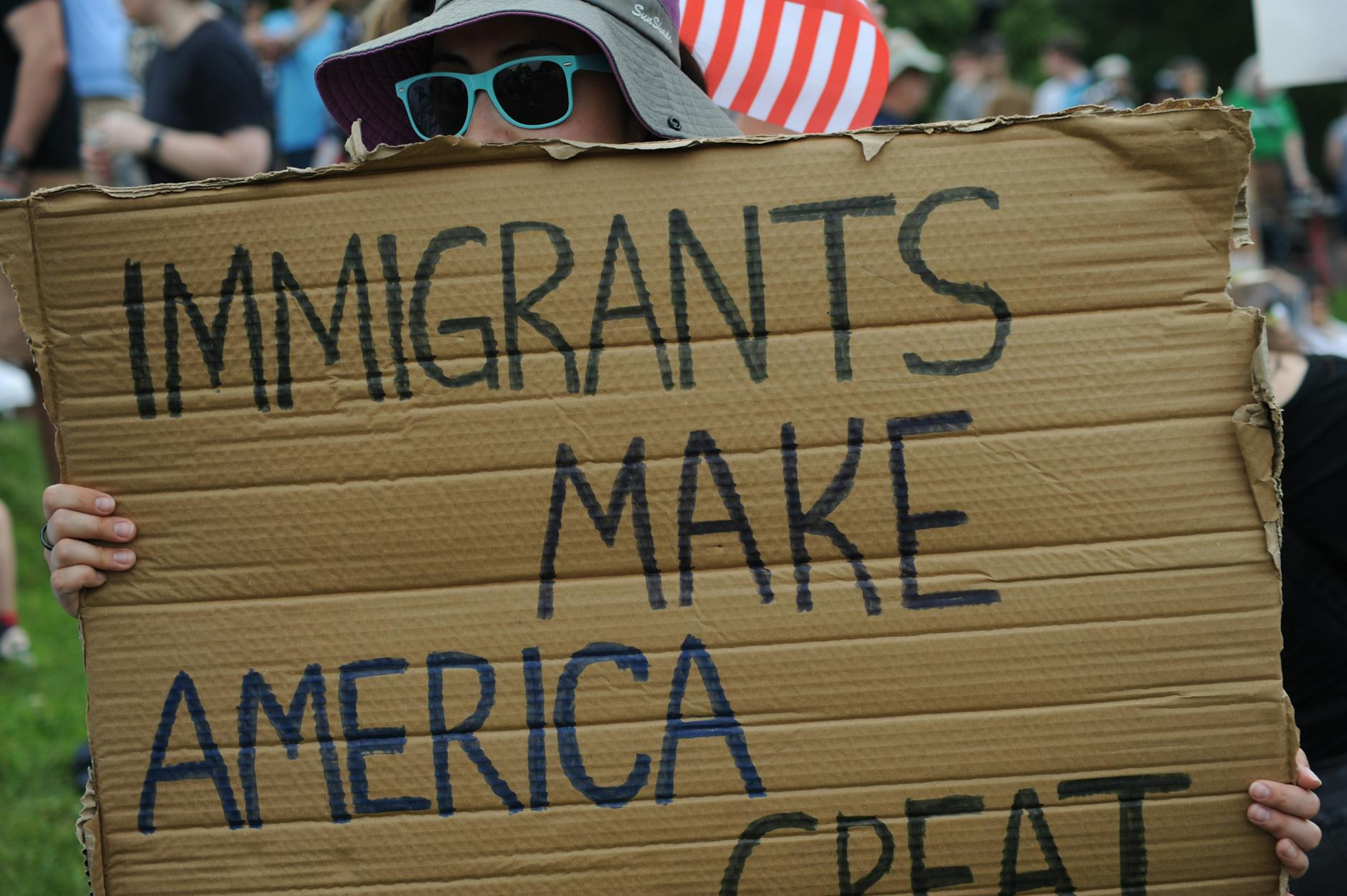
Immigration policy represents perhaps the clearest substantive divide between Democratic positions and working-class voter interests. While Democratic economists emphasize immigration’s long-term productivity benefits, working-class workers experience direct competition for jobs and downward wage pressure in construction, manufacturing, food processing, and agricultural sectors. The empirical evidence supports both perspectives: immigration provides net economic growth while creating localized, acute harm for workers in competing occupations. Democratic messaging prioritized the aggregate benefits while dismissing workers’ legitimate experiences of wage stagnation in immigrant-heavy occupations.
A critical limitation of Democratic messaging: the party often responded to working-class immigration concerns by labeling them xenophobic rather than engaging with the genuine labor economics underlying the concerns. This rhetorical approach consolidated working-class resentment rather than alleviating it. A construction worker experiencing stagnant wages couldn’t simultaneously hold pro-immigration views and maintain his family’s economic security—the Democratic Party effectively demanded he sacrifice his material interests for cosmopolitan values. When Republicans offered an alternative that validated both his economic interests and concerns about rapid demographic change, he had strong reason to switch parties, regardless of whether Republican policies would actually improve his conditions.
Republican Messaging and Strategic Outreach to Blue-Collar Communities
Republicans capitalized on Democratic vulnerabilities through direct messaging to working-class concerns. Trump’s 2016 campaign explicitly targeted Rust Belt communities with promises to renegotiate trade deals, restrict immigration, and reinvest in domestic manufacturing. Critically, Trump employed a rhetorical style that validated working-class resentment rather than dismissing it—he didn’t explain why factory closures were economically necessary; he promised to stop them and bring jobs back. This messaging resonated emotionally even among skeptics of his economic credibility.
A displaced auto worker in Michigan might doubt Trump could actually restore manufacturing, but he valued being heard and supported rather than lectured about accepting economic transition. Republican economic policies also aligned better with working-class interests on taxation, regulation, and labor market dynamics. Lower corporate tax rates, deregulation in resource extraction and manufacturing, and opposition to raising the minimum wage all benefit business owners and workers in capital-intensive industries while avoiding the redistribution working-class workers increasingly resent. Additionally, Republicans successfully positioned themselves as defenders of working-class cultural values against perceived progressive attack, making voting Republican feel like defending one’s way of life rather than merely selecting economic policies. The Republican Party’s willingness to challenge progressive orthodoxy on issues like gender ideology and environmental regulations appealed to working-class voters frustrated by Democratic cultural dominance in institutions and media.
Structural Sustainability and Future Realignment
The blue-collar exodus from Democratic politics appears structurally durable rather than cyclical, suggesting this represents fundamental realignment rather than temporary swing. Unlike previous working-class defections to Republicans that reversed within one or two election cycles, this shift persists across 2016, 2018, 2020, and 2022 elections with limited evidence of reversal. Younger working-class voters show similar patterns, indicating the shift isn’t merely aging voters replacing older generations.
This durability reflects that the underlying conditions—deindustrialization, trade policy differences, immigration impacts, and cultural misalignment—haven’t resolved and show limited signs of Democratic policy responsiveness. Future Democratic recovery among working-class voters would require substantive policy changes rather than rhetorical adjustments: genuine commitment to manufacturing reinvestment, more restrictive immigration policies, acknowledgment of cultural concerns without dismissal, and regional economic development in declining communities. Current Democratic positions on trade, energy, and climate policy continue moving in directions opposed by working-class constituencies, suggesting the realignment may deepen further rather than reverse in the near term.
Conclusion
Blue-collar workers are leaving the Democratic Party because the party’s policy priorities, economic approaches, and cultural messaging have shifted away from working-class concerns toward professional-class progressivism, while Republicans have explicitly targeted working-class grievances and validated working-class resentment about cultural change and economic decline. The shift reflects real economic impacts from trade policy, genuine cultural disagreements, and institutional changes in labor organization, not mere emotional manipulation or false consciousness. While Republicans’ actual policy record may not substantively improve working-class conditions—and there’s legitimate debate about which party better serves working-class interests—the Democratic Party faces a sustained challenge rebuilding credibility with communities that feel economically abandoned and culturally disparaged.
For working-class communities and voters, the practical implication is that both political parties are increasingly competing for their votes through appeals rather than demonstrated track records of delivering material improvements. Whether Republican promises of manufacturing restoration prove more realistic than Democratic promises of green job transitions remains to be seen, but the political realignment appears to be based on genuine rather than manufactured grievances. Voters evaluating 2024 and 2026 elections should assess candidates and parties on concrete policy commitments to working-class economic security, not on cultural rhetoric or abstract promises.
You Might Also Like
- Why Women Under 30 Are Moving Left Fast
- Why Podcasts Are Replacing Cable News
- Are Childless Voters Changing American Politics?