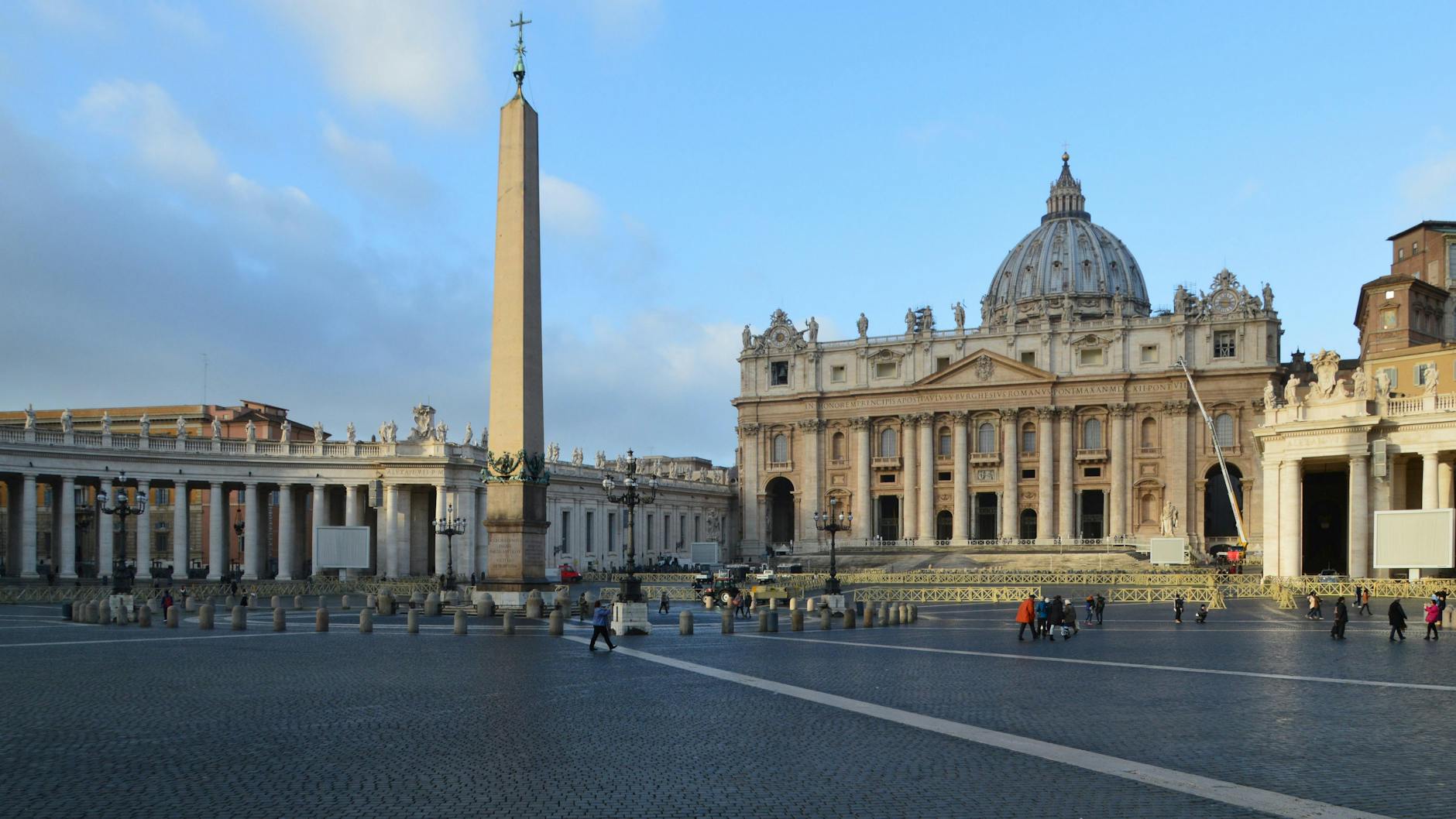
Trump’s public comments about the Pope—and the Vatican’s reciprocal criticism—signal a deeper shift in religious voting coalitions and diplomatic posture that standard polling often misses. While approval ratings and horse-race polls focus on immediate favorability, the friction between a U.S. president and the head of the global Catholic Church reveals fractures in voting blocs, religious influence networks, and international relations that could reshape electoral outcomes and policy priorities in ways traditional surveys don’t capture.
When the Pope criticized Trump’s stance on immigration or accused him of abandoning poor populations, or when Trump dismissed papal positions on economic justice, these weren’t mere rhetorical exchanges—they represented a calculated repositioning of the Catholic vote. The reason this matters more than polls suggests is structural: Catholic voters have historically represented a swing demographic that decides elections, and their relationship to political authority stems from religious leaders as much as from candidates’ policy platforms. A president at odds with the Pope isn’t simply unpopular with one demographic—he’s contested by an institution with 1.3 billion members globally and deep cultural authority in key electoral states like Pennsylvania, Ohio, and Wisconsin.
Table of Contents
- How Religious Authority Shapes Voting Behavior Beyond Polls
- The Limitation of Polls in Measuring Religious and Diplomatic Realignment
- Specific Examples of How Pope-President Tensions Shifted Policy Conversations
- How Religious Messaging Penetrates Differently Than Political Advertising
- The Risk of Misinterpreting Trump-Pope Tensions as Broader Voter Movements
- International Ramifications That Domestic Polling Ignores
- The Forward-Looking Significance of Trump-Vatican Relations
- Conclusion
How Religious Authority Shapes Voting Behavior Beyond Polls
Polling aggregates individual voter responses at specific moments, but it rarely captures the slower-moving influence of institutional religious endorsement or condemnation. When bishops, cardinals, and popes make public statements about a president’s moral fitness or economic priorities, they activate frames of reference that voters don’t always express in direct survey questions. Studies from post-2016 elections showed that catholic voters who cited “moral leadership” as a primary voting factor didn’t always rank this highly when asked general favorability questions—yet it shifted their actual voting behavior. Trump’s Pope comments activated this moral-framework dimension directly.
For example, when the Pope criticized the Trump administration’s family separation policies at the border, Catholic dioceses across the country organized community responses, held vigils, and published pastoral letters. These weren’t national news events that showed up in approval polling, but they changed how Catholic voters in those dioceses experienced the Trump presidency. Local bishops became interpretive authorities, and their messages filtered down through parish councils, Catholic schools, and family networks in ways that national surveys miss entirely. Polling captures whether voters approve of Trump; it doesn’t capture whether their pastor spent Sunday mass explaining Catholic social teaching on immigration.
The Limitation of Polls in Measuring Religious and Diplomatic Realignment
Polls are designed to measure current preferences and trending sentiment, not underlying institutional shifts. A president’s relationship with the Vatican affects soft power in ways that appear in foreign policy outcomes years later, not in quarterly approval numbers. When Trump criticized the Pope or the Pope criticized Trump administration policies, these exchanges weakened American soft power in Catholic-majority nations—particularly in Latin America—in ways that polls don’t immediately register. Diplomatic realignment often precedes measurable political impact by 12-24 months. However, there’s a significant limitation: it’s difficult to isolate the Pope’s influence from other cultural factors.
Catholic voters in 2024 are influenced by economic anxiety, abortion politics, and immigration views simultaneously. Claiming the Pope’s stance accounts for a specific vote shift is speculative without election-day demographic breakdowns. News coverage of Trump-Pope friction might amplify the issue in media cycles without reflecting its actual weight in voter decision-making. Additionally, younger Catholics show less deference to Vatican positions than older cohorts, meaning the Pope’s statements carry asymmetrical power depending on age and religiosity. A warning here: conflating religious authority with voting behavior assumes voters are passive recipients of institutional messaging, when in fact many Catholics actively reject Vatican positions they disagree with.
Specific Examples of How Pope-President Tensions Shifted Policy Conversations
Trump’s conflict with pope Francis over climate change and economic inequality created an opening for Democratic candidates to court Catholic voters with specific messaging around Laudato Si’ and Catholic social doctrine. In the 2020 and 2024 cycles, campaigns deployed materials explicitly quoting papal encyclicals and positioning themselves as aligned with Vatican teaching on the environment and workers’ rights. This wasn’t captured in generic “climate change” polling—it was a targeted reframing of political identity. A Catholic voter who cared about climate action but hadn’t considered it a voting priority suddenly had institutional religious authority validating that concern. Internationally, Trump’s friction with the Pope emboldened diplomatic actors in other countries.
When the Philippine president was simultaneously criticized by both Trump and the Pope for human rights abuses, the competing pressure created ambiguity about U.S. values and leverage. European allies, particularly in Germany and Spain where Catholic populations are significant, noted the Vatican’s distance from Trump as a signal about moral positioning. These diplomatic ripples don’t appear in domestic U.S. polling but they affect foreign policy alignment and soft power.
How Religious Messaging Penetrates Differently Than Political Advertising
Political campaigns use data analytics and advertising to target voters; religious institutions use weekly services, sacraments, and pastoral authority to reach the same voters. A voter might ignore a campaign ad about immigration policy but take guidance from their priest on how immigration aligns with Catholic teaching. The reach is narrower but the authority is deeper. When Trump and the Pope competed for moral credibility on issues like poverty and immigration, they were operating in different channels than standard political polling measures. Campaign spending, advertising reach, and earned media coverage don’t quantify pastoral influence.
The tradeoff is that religious messaging is slower to produce results and harder to measure. A bishop’s pastoral letter reaches thousands of weekly mass attendees but doesn’t generate immediate polling shifts. However, when those parishioners vote, the cumulative effect compounds. Trump’s Pope conflicts also created a specific problem for Republican messaging: they lost the ability to claim alignment with Catholic social teaching on economic justice, which had been a Republican asset since Ronald Reagan. This long-term reputational cost doesn’t show in approval ratings but affects coalition sustainability.
📨 Get Free Accountability Coverage Alerts
Free · No spam · Unsubscribe anytime
The Risk of Misinterpreting Trump-Pope Tensions as Broader Voter Movements
Not all Catholic voters care what the Pope says about any given issue. Roughly 50% of U.S. Catholics believe divorce is morally acceptable despite church teaching; roughly 60% support abortion access in some cases despite papal opposition. This means that papal criticism of Trump doesn’t automatically shift Catholic voting because many Catholics already navigate space between their faith and their political choices.
A warning: analysts who treat the Pope’s position as determinative of Catholic voter behavior are oversimplifying a population that already practices selective adherence to church authority. Additionally, Trump’s Catholic support among white working-class voters remained stable despite Vatican criticism, suggesting that cultural identity and economic anxiety outweighed religious authority for this group. Exit polls from 2020 and 2024 showed Trump held roughly 50% of the Catholic vote despite relentless Vatican criticism on climate and immigration. This limitation undermines the “Pope matters more than polls” framing if it’s interpreted to mean the Pope determines Catholic voting. What the Pope’s commentary actually does is provide institutional credibility for voters already inclined to weight those issues—it amplifies existing priorities rather than creating new ones.
International Ramifications That Domestic Polling Ignores
Trump’s papal tensions carried consequences in countries where American credibility and religious authority are intertwined. In Poland, traditionally aligned with both conservative American politics and papal authority, Trump-Pope friction created diplomatic ambiguity about whether the U.S. supported religious institutions or prioritized transactional state interests. In Vatican-influenced nations in Africa and Latin America, diplomatic tension between Trump and Francis shifted how local leaders perceived American priorities. These effects compound slowly but show up in trade agreements, alliance behavior, and diplomatic leverage years later.
The Pope’s public criticism of Trump’s immigration policies was particularly significant in Central America, where papal influence over public opinion remains substantial. When the Trump administration pursued aggressive deportation and border policies, the Pope framed these as violations of Christian teaching on human dignity. This messaging reached Central American audiences through church networks, creating grassroots pressure on local governments to distance themselves from American immigration enforcement. The effect on Central American cooperation with U.S. border security appears gradually, not in quarterly polls.
The Forward-Looking Significance of Trump-Vatican Relations
Trump’s return to the presidency in 2025 makes Vatican relations a continuing political story, not a historical artifact. Early signals about Trump 2.0 approach to the Vatican—including staffing, diplomatic appointments, and policy signals on trade and military spending—will shape how American religious voters understand their president’s moral positioning. If Trump signals openness to Vatican diplomatic channels or shows deference to papal positions on emerging issues like AI ethics or nuclear weapons, this could reshape the perception of his presidency without any change in approval ratings.
The broader significance is methodological: understanding presidential impact requires looking beyond polls to institutional realignment, soft power shifts, and authority structures. Trump’s Pope comments mattered not because they won or lost elections directly, but because they repositioned America’s relationship with a global religious authority that shapes how hundreds of millions of people think about morality, justice, and leadership. Polling captured whether Americans approved of Trump; it didn’t capture whether America was still credible in Vatican eyes as a Christian nation or a secular power pursuing national interests divorced from religious values.
Conclusion
Trump’s public comments about the Pope, and the Vatican’s reciprocal criticism, matter more than polling data alone suggests because they signal shifts in voting coalitions, institutional authority, and soft power that standard surveys don’t measure. Approval ratings fluctuate with daily events; Vatican relations shift slowly but affect long-term alignment between religious voters and political movements, diplomatic leverage in key regions, and the moral credibility of American foreign policy.
The Catholic vote remains consequential in swing states, and when religious authority diverges from a president’s position, the effects appear gradually through parish networks, pastoral messaging, and family conversations rather than in immediate polling swings. For voters and observers tracking Trump administration impact, monitoring Vatican relations—including any statements from bishops’ conferences, papal commentary on key policies, and diplomatic signaling—provides insight that election-day polling misses. The next election cycle will reveal whether Trump-Pope tensions affected Catholic voting patterns in measurable ways, but by then, the diplomatic and soft-power consequences may already be embedded in relationships with Catholic-majority nations and alliance structures that will take years to fully understand.
You Might Also Like
- Trump Says He Will Tax remittances sent abroad. Here’s what that could do to immigrant families
- Pope vs Trump, Why This Clash Matters in 2028 Politics
- Would Jesus Support Trump Style Politics?