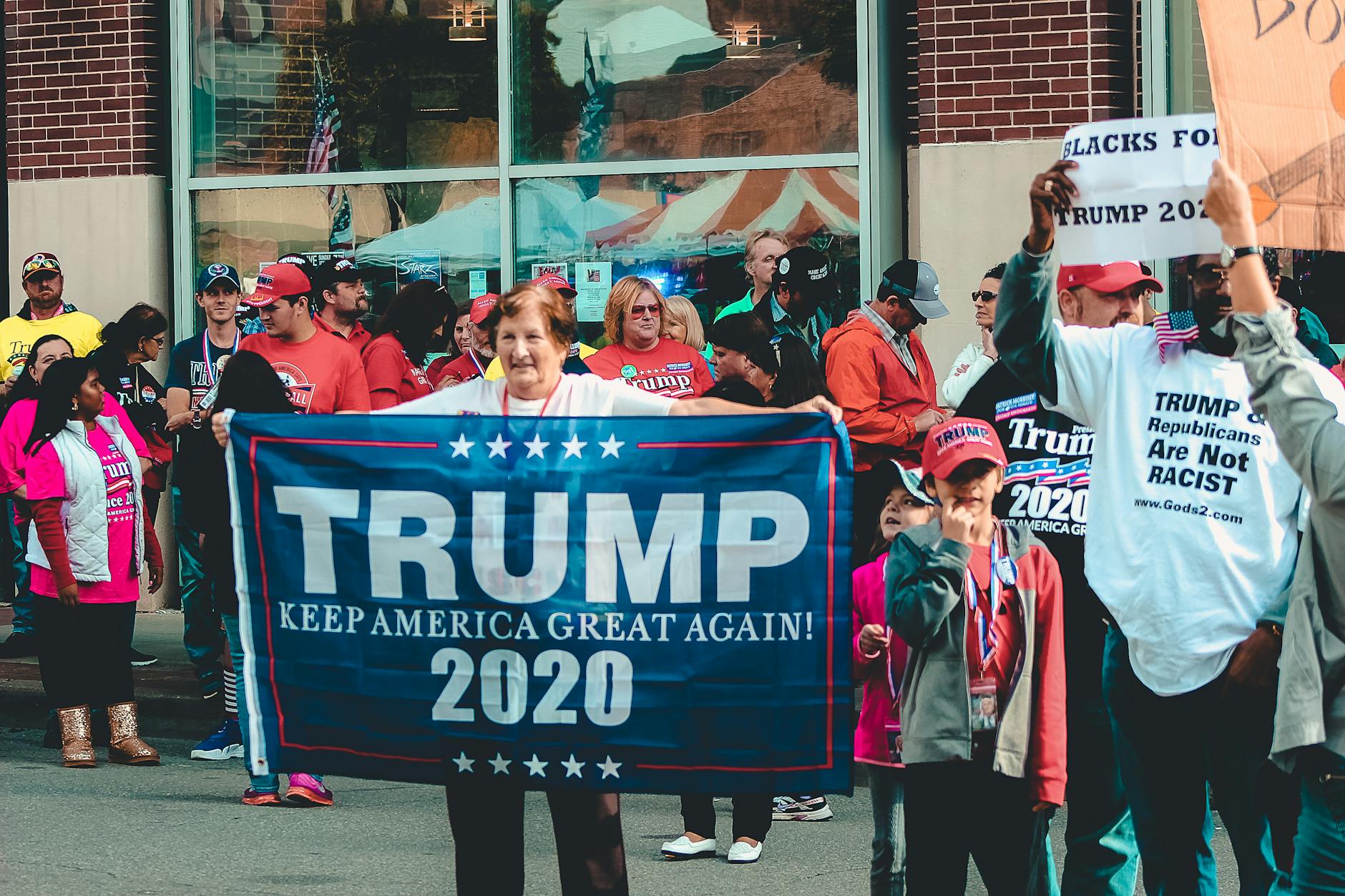
Yes, America appears to be experiencing an increasingly pronounced religious political split. The data shows a widening gap between secular voters and religious voters in their political preferences, with religious Americans tilting heavily Republican and secular Americans tilting Democratic. In the 2024 election cycle, this divide became more apparent than ever—white evangelical Christians voted for Republican candidates at rates exceeding 80%, while religiously unaffiliated voters, now comprising roughly one-quarter of the U.S. population, voted Democratic at similarly lopsided margins.
This represents a fundamental realignment of American politics around religious identity rather than economic class or geography. The roots of this split run deeper than recent elections. Over the past 40 years, abortion, same-sex marriage, religious liberty in schools, and the role of faith in public policy have become central dividing lines. What was once a coalition—Democrats with religious voters, Republicans with secular business interests—has flipped entirely. Religious voters now see themselves as defending their way of life against secular progressivism, while secular voters view religious influence in politics as a threat to individual rights and scientific governance.
Table of Contents
- How Did Religion Become the Central Political Dividing Line?
- The Deepening Secularization of America’s Population
- How the Abortion Issue Crystallized the Split
- Red State vs. Blue State Religious Politics—What’s Actually Different?
- The Threat of Polarization and Loss of Democratic Compromise
- How Religious Institutions Are Responding
- Looking Forward—Can America Bridge the Religious Political Divide?
- Conclusion
How Did Religion Become the Central Political Dividing Line?
The transformation began in earnest during the 1980s when evangelical leaders like Jerry Falwell organized the Religious Right as a political movement. Initially, the coalition formed around opposition to Roe v. Wade and concerns about declining Christian influence in American institutions. The Republican party, sensing an opportunity, embraced these voters by adopting anti-abortion positions and emphasizing “family values.” Over decades, Democratic support for LGBTQ rights, reproductive rights, and secular education policies pushed religious voters further away.
By the 2016 election, the split was undeniable—Trump won 81% of white evangelical votes despite his personal behavior conflicting with traditional Christian teachings, suggesting the religious vote had become more about cultural self-defense than theological consistency. The Democratic Party simultaneously shed many of its religious working-class voters, particularly in the South and Midwest. These voters felt abandoned by the party’s shift toward progressive secularism and urban cultural values. The 2020 election underscored this: Biden won college-educated secular voters by massive margins but performed worse than Hillary Clinton among Catholics and other religious working-class groups. This wasn’t accidental—it reflected decades of policy disagreements and cultural messaging that made religious Americans feel their beliefs were under assault.

The Deepening Secularization of America’s Population
America’s religious landscape has changed radically in one generation. In 1990, roughly 85% of Americans identified with a religious faith; by 2024, that figure had dropped to around 68%. Among young adults, the trend is even starker—only 50% of Americans under 30 identify as religious, compared to 80% of Americans over 65. This creates a demographic collision course: as younger, more secular cohorts gain voting power, and older, more religious voters fade, the political coalition structure will continue to shift. However, this doesn’t mean religion will disappear from politics; instead, religious minorities may become more politically mobilized and cohesive, similar to how religious minorities function in other democracies.
The secularization trend is geographic and educational. Urban professionals, especially those with college degrees, have become overwhelmingly secular and Democratic. Rural and working-class Americans without degrees remain more religious and Republican. This compounds the political split—religion now correlates not just with voting behavior but with education level, income, and geography. A young, college-educated secular voter in New York and a rural religious voter in Kentucky might as well be from different countries politically, which is destabilizing for a nation that requires democratic consensus across diverse regions.
How the Abortion Issue Crystallized the Split
No single issue crystallized the religious political split more than abortion. For decades, abortion motivated evangelical voters to support Republicans despite disagreeing with them on other issues. The reversal of Roe v. Wade in 2022 was supposed to be evangelicals’ victory—and it was, constitutionally. But the result illustrated the dangers of single-issue politics: within months of the ruling, Republicans faced backlash in special elections when voters (including religious voters) opposed strict abortion bans.
In Kansas, a deeply red state, voters rejected a constitutional amendment that would have allowed the legislature to ban abortion. The issue revealed that while abortion motivates some religious voters intensely, it doesn’t automatically deliver a political majority. The abortion split also shows the limitation of the religious political coalition: it’s held together partly by negative identity (opposition to secular policies) rather than positive vision for governance. Once one issue is resolved, the coalition faces pressure to define itself on economic policy, healthcare, or education—areas where religious and conservative voters don’t always agree. Exit polls from recent elections show that while abortion was crucial for some voters, economic anxiety, healthcare costs, and immigration actually drove voting patterns for many others, including religious voters. This suggests the religious political split is real but more fragmented than a simple binary.

Red State vs. Blue State Religious Politics—What’s Actually Different?
The religious political split has created two parallel religious ecosystems in America. In red states, churches are often aligned with Republican politics; pastors invoke religious liberty, traditional family values, and property rights as part of their message. In blue states, churches emphasize progressive causes—racial justice, environmentalism, LGBTQ inclusion—and are often politically aligned with Democrats. These aren’t just different theological priorities; they’re different interpretations of what Christianity requires. A white evangelical church in Texas may view abortion as the paramount moral issue, while a mainline Protestant church in Massachusetts may view climate change or wealth inequality as more urgent. Both claim religious grounding for opposite positions.
This regional and theological split has practical consequences. It means there’s almost no common religious language in American politics anymore. When a Republican invokes “religious freedom,” Democrats hear “the right to discriminate.” When a Democrat invokes “social justice,” Republicans hear “socialism.” The shared cultural references and assumptions that once allowed religious Americans across parties to communicate are gone. This is genuinely destabilizing for democratic deliberation, because religion used to be a common vocabulary—now it’s another source of conflict. The comparison is instructive: in countries with deep religious-secular divides (like the Netherlands or Belgium), they’ve developed power-sharing arrangements. America hasn’t yet, and the political system may not adapt as quickly.
📨 Get Free Accountability Coverage Alerts
Free · No spam · Unsubscribe anytime
The Threat of Polarization and Loss of Democratic Compromise
The religious political split poses a warning that bears serious attention: when a political divide becomes identity-based rather than policy-based, compromise becomes nearly impossible. Abortion is a perfect example. You can’t compromise on abortion in a way that satisfies both sides; you either restrict it or you don’t. Similarly, secular voters viewing religious influence in schools as a threat and religious voters viewing secular education as indoctrination are almost incompatible positions. This isn’t a policy disagreement that can be resolved through negotiation—it’s a fundamental disagreement about what America should be. The limitation here is structural: the American political system was designed for coalition-building and compromise, but religious and secular identity politics don’t lend themselves to either.
There’s also a warning about minority rights and majority rule. In many democracies, religious minorities are protected from secular majorities, or secular minorities are protected from religious majorities. America traditionally managed this through federalism and the First Amendment. But as the religious-secular split becomes more geographically concentrated, certain states are becoming more homogeneous. Texas is trending more evangelical Republican; California is trending more secular Democratic. This could eventually create a situation where one region feels its way of life is under assault by the national government controlled by another region. That’s historically a recipe for serious political dysfunction, as American history before 1860 and after 1960 (the civil rights era) demonstrates.
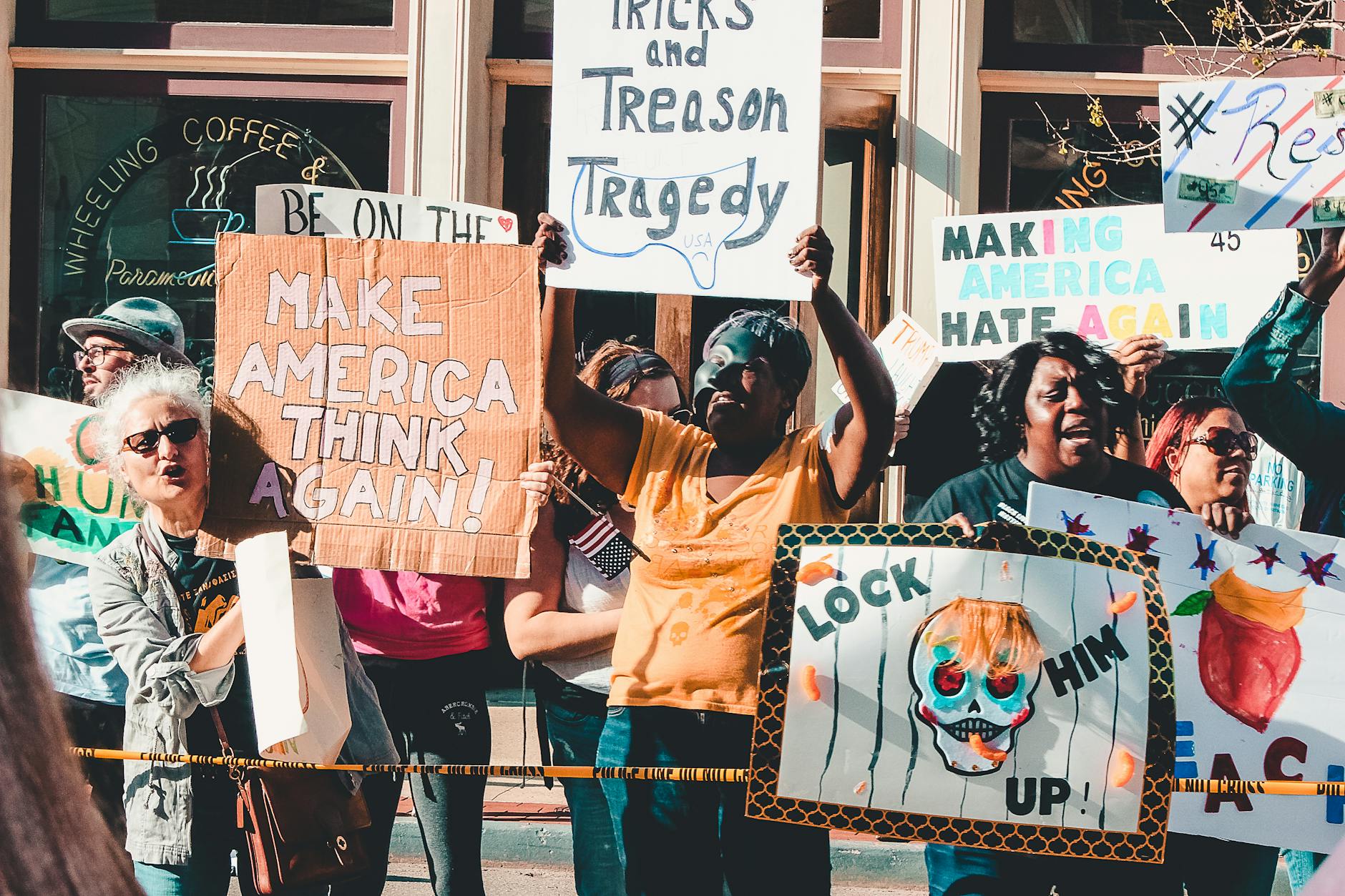
How Religious Institutions Are Responding
American religious institutions are responding to the political split in varied ways, with some seeking to maintain non-partisan witness and others becoming explicitly political. The evangelical movement has largely embraced political engagement through organizations like the Family Research Council and court battles over religious liberty. Mainline Protestant churches, which have declined in membership, have generally moved toward progressive politics but struggle with the perception that they’ve abandoned religious distinctiveness for political ideology. The Catholic Church presents an interesting case study: the hierarchy remains officially neutral on partisan politics, yet the flock is deeply divided—white Catholics trend Republican on abortion and religious liberty, while Hispanic Catholics trend Democratic on immigration and economics, creating tension within the institution itself.
Jewish communities present another example of the complex religious split. While Jewish Americans overall lean Democratic, Orthodox Jewish communities have increasingly aligned with Republican politics, particularly around support for Israel and religious school funding. This has created internal divisions within American Judaism. Similarly, evangelical churches are beginning to fracture—younger evangelicals are leaving the movement partly because of its political alignment with Trump and the Republican Party, viewing it as a betrayal of religious values. These institutional responses show that the religious political split isn’t static; it’s creating pressure points within religious traditions themselves.
Looking Forward—Can America Bridge the Religious Political Divide?
The trajectory suggests the religious political split will likely deepen before it stabilizes. Demographic trends—younger Americans are more secular, older Americans more religious—will continue shifting the political calculus. Technological change is accelerating this: social media algorithms and digital tribalism make it easier for people to live in entirely separate information ecosystems, and for religious conservatives and secular progressives to view each other with suspicion or contempt. However, history suggests there are paths forward. Other democracies with deeper religious-secular divides (like Germany or the Netherlands) have managed through institutional arrangements that give both groups voice and protection.
The question is whether American political institutions can adapt. Some signs are hopeful: religious voters aren’t monolithic (Latino Catholics don’t align the same way as white evangelicals), and secular voters include religious unaffiliated people who respect religion. But the trend lines are concerning if current polarization continues. The religious political split isn’t just about theology or even policy preferences—it’s about competing visions of national identity. Resolving it will require political leaders who can articulate why people from different religious and secular worldviews need to live together in one country and what that shared citizenship requires.
Conclusion
America is experiencing a genuine religious political split, driven by decades of cultural disagreement and now crystallized into geographic, generational, and educational divides. The split is real, measurable in voting data, and deepening as the electorate becomes more secular and political parties more homogeneous. This represents a fundamental change from mid-20th century American politics, when both parties included religious and secular voters and negotiated accordingly.
The practical consequence is clear: American democracy increasingly lacks shared vocabulary and common assumptions across religious lines. Addressing this doesn’t require abandoning positions on abortion, religious liberty, or LGBTQ rights—it requires recognizing that political disagreement no longer stems from disagreements about policy alone but from different understandings of what America is. That’s harder to resolve through normal legislative compromise, and it explains why American politics has become simultaneously more polarized and more fragmented.
You Might Also Like
- Why MAHA Is Confusing Voters Across America
- Would Jesus Support Trump Style Politics?
- Why Some Republicans Want a Post Trump Future