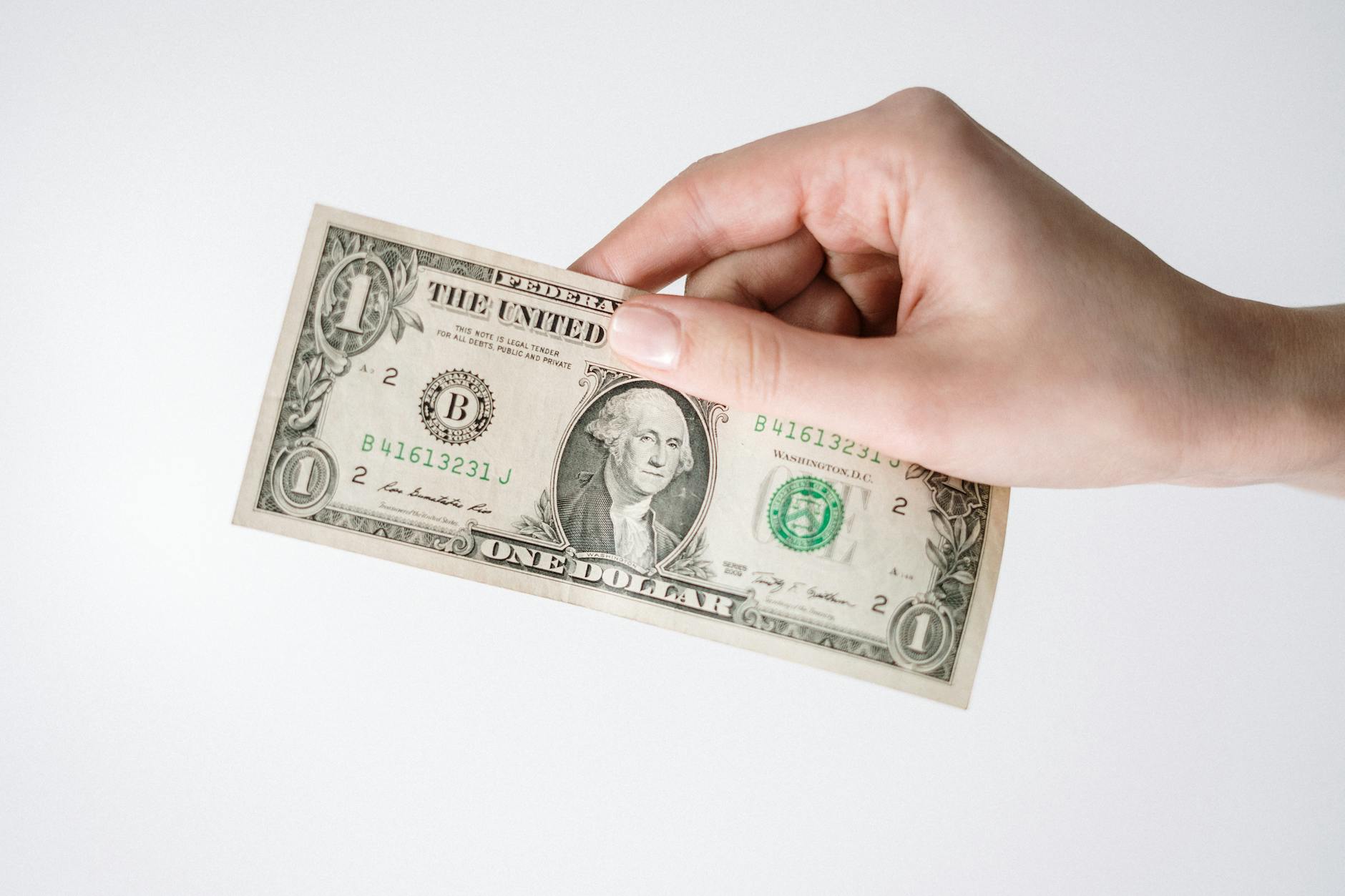
Dollar General customers who were overcharged at checkout between October 10, 2016, and November 19, 2025, are eligible for cash payments of $10 per documented overcharge—or the actual overcharge amount if it was higher. The company agreed to a $15 million settlement that includes $8.5 million in cash compensation plus $6.5 million in price-accuracy improvements. This isn’t a theoretical settlement; it’s the result of years of state and federal investigations that found Dollar General systematically failed price-accuracy inspections across multiple states, sometimes with failure rates exceeding 85 percent. The settlement received preliminary approval on December 15, 2025, with final approval on March 19, 2026, and eligible customers have until April 13, 2026, to submit claims.
This article breaks down what the overcharging meant, how much you can recover, and what the evidence shows about Dollar General’s pricing practices. The settlement applies to anyone who purchased items at Dollar General locations during the eligible nine-year window. To qualify, you need a receipt or other documentation showing the item rang up at a higher price than the shelf price, or proof that you were charged more than the advertised amount. If you can’t produce a specific receipt, the settlement does allow some flexibility depending on how you submit your claim, though the more evidence you provide, the stronger your case.
Table of Contents
- How Did Dollar General Overcharge Customers?
- What Are the Cash Payments, and What’s the Maximum You Can Claim?
- The Evidence Behind the Settlement—State Inspection Failures
- How to File Your Claim and What Documentation You’ll Need
- What About Overcharges You Don’t Remember or Can’t Prove?
- Other Dollar General State Settlements—What Else Has Been Resolved
- What Dollar General Must Do Going Forward—The Injunctive Relief Component
- Conclusion
How Did Dollar General Overcharge Customers?
Dollar General’s overcharging practice centered on a simple but widespread problem: items rang up at the cash register for more than the price displayed on the shelf. In some cases, customers noticed at checkout. In many others, they didn’t catch the difference until reviewing their receipts at home. The company blamed aging checkout systems and training gaps, but regulators found the problem was too consistent and too widespread to be accidental.
Pennsylvania’s Attorney General documented this through inspections between 2019 and 2023, finding that more than 43 percent of Dollar General locations failed price-accuracy checks, with compliance at some stores dropping as low as 28 percent. What makes this pattern particularly damaging is the scale. A single overcharge might be 50 cents or a dollar, an amount many customers don’t notice or don’t bother disputing. But across thousands of locations and millions of transactions over nearly a decade, the individual small overcharges added up to significant corporate profit extracted directly from consumer wallets. The settlement assumes that if you were a regular Dollar General customer during this period, there’s a reasonable likelihood you were overcharged at least once.
What Are the Cash Payments, and What’s the Maximum You Can Claim?
The settlement offers $10 per documented overcharge, or the actual overcharge amount if it was higher. So if you can prove you were charged 75 cents extra for an item, you get $10. If you were charged $3 extra, you get $3. The settlement caps household claims at $20 total, which means you can submit up to two claims per household. After the household claims are settled, a secondary distribution The Evidence Behind the Settlement—State Inspection Failures
Multiple states independently investigated Dollar General’s pricing practices and found alarming failure rates. Wisconsin conducted price-accuracy inspections in 2023 and found that 85 percent of the 89 stores inspected failed to meet the state’s 98 percent accuracy standard. That’s not a few problem locations; that’s a systematic failure. Ohio’s investigation in Montgomery County revealed that 69 percent of Dollar General locations tested—22 out of 32 stores—failed price verification inspections. Missouri found that more than half of inspected stores failed price-accuracy checks, with individual price discrepancies as high as $6.50 per item. Pennsylvania’s investigation produced perhaps the most detailed evidence: across 649 inspections conducted between 2019 and 2023, 43.5 percent of locations failed the price-accuracy test. Some locations showed dramatic swings in compliance; a store might pass inspection one month and fail the next, suggesting that improvements were temporary or inconsistently applied. This wasn’t a single bad district or region—the failures appeared across Dollar General’s footprint, indicating a company-wide training or system problem rather than isolated instances of employee error. To claim your settlement payment, you’ll need to visit the official settlement administrator’s website or submit a physical claim form. The settlement website will be published before the April 13, 2026, deadline. You have two options for providing proof: submit your original receipt, or submit a written claim describing the overcharge with as much detail as you remember (store location, date, item purchased, the shelf price versus the price charged). If you have credit card or bank statements showing the transaction, include those as well. The settlement also includes an alternative benefit: a $3 in-store discount on purchases of $10 or more during a designated two-day promotional period. This is separate from the cash claim and doesn’t require the same level of documentation—you’ll simply need to be a Dollar General customer during the promotion window. However, the $3 discount requires you to shop at Dollar General again, which may not be the preference of customers who were frustrated by the overcharging to begin with. 📨 Get Free Accountability Coverage Alerts Free · No spam · Unsubscribe anytime This is the main limitation of the settlement. If you were overcharged but didn’t keep the receipt or never noticed the discrepancy, you cannot claim that specific overcharge. The settlement relies on documented proof or detailed recall, not on a presumption that you were harmed. This creates a gap: customers who were most damaged—those who were regularly overcharged but never scrutinized their receipts—may recover nothing, while customers who caught a single overcharge and kept the receipt can claim $10. Some customers worry about what happens if they submit a claim and cannot produce perfect documentation. The settlement claims process includes review by the settlement administrator, who will evaluate written claims without receipts on a case-by-case basis. If you provide a detailed, credible account of an overcharge (store location, approximate date, specific item, and the price difference you noticed), there’s a reasonable chance it will be approved. However, vague claims without any supporting detail are more likely to be denied. This federal settlement is not the first time Dollar General has paid out for overcharging. Pennsylvania settled separately with Dollar General in January 2024 for $1.55 million following the Attorney General’s investigation. Colorado reached a $400,000 settlement in 2025. Vermont obtained $1.75 million. These state-by-state settlements indicate that the overcharging problem was recognized and addressed in multiple jurisdictions, each with its own evidence and timeline, all before the federal class-action settlement was finalized. If you live in Pennsylvania, Colorado, or Vermont, you may be eligible for both the state settlement and the federal settlement. The claim deadlines and submission processes differ by state, so check with your state’s Attorney General office for details on the state-specific settlement. This layered approach to compensation—state settlements plus a federal class action—is typical when companies are found to have violated consumer protection laws across multiple jurisdictions. Half of the settlement’s value—$6.5 million—is designated as “injunctive relief,” meaning it goes toward structural changes rather than cash payments to customers. Dollar General is required to implement new price-verification systems, improve employee training on price accuracy, and submit to ongoing compliance audits. The company must maintain a 98 percent price accuracy rate going forward, verified through regular inspections similar to those that revealed the initial problems. This forward-looking component is critical because it addresses the root cause rather than just compensating victims. However, it also reflects a reality of corporate settlements: regulators accept a commitment to future compliance rather than demanding immediate perfection or more severe penalties. For customers, this means the overcharging mechanism should be harder to replicate in the future, but it doesn’t prevent new problems from emerging if Dollar General fails to invest genuinely in system improvements. The Dollar General settlement is straightforward in structure but requires action on your part. If you were overcharged at Dollar General between October 2016 and November 2025, you are eligible to claim $10 per overcharge (up to $20 per household) by April 13, 2026. The settlement is backed by extensive evidence from state investigations showing that overcharging was not a random problem but a systemic issue affecting stores nationwide. The cash component provides direct compensation to harmed customers, while the injunctive relief component attempts to prevent recurrence through system improvements and oversight. Don’t wait until the claim deadline approaches; gather your receipts now and submit your claim as soon as the settlement website opens. If you don’t have receipts, prepare a detailed written account of the overcharge including the store, date, item, and price discrepancy. The settlement administrator’s job is to process legitimate claims, and providing as much honest detail as you can strengthens your case. Claim details: for the filing deadline, eligibility and proof requirements on this settlement, see OpenClassActions.com.
How to File Your Claim and What Documentation You’ll Need
What About Overcharges You Don’t Remember or Can’t Prove?
Other Dollar General State Settlements—What Else Has Been Resolved
What Dollar General Must Do Going Forward—The Injunctive Relief Component
Conclusion
You Might Also Like