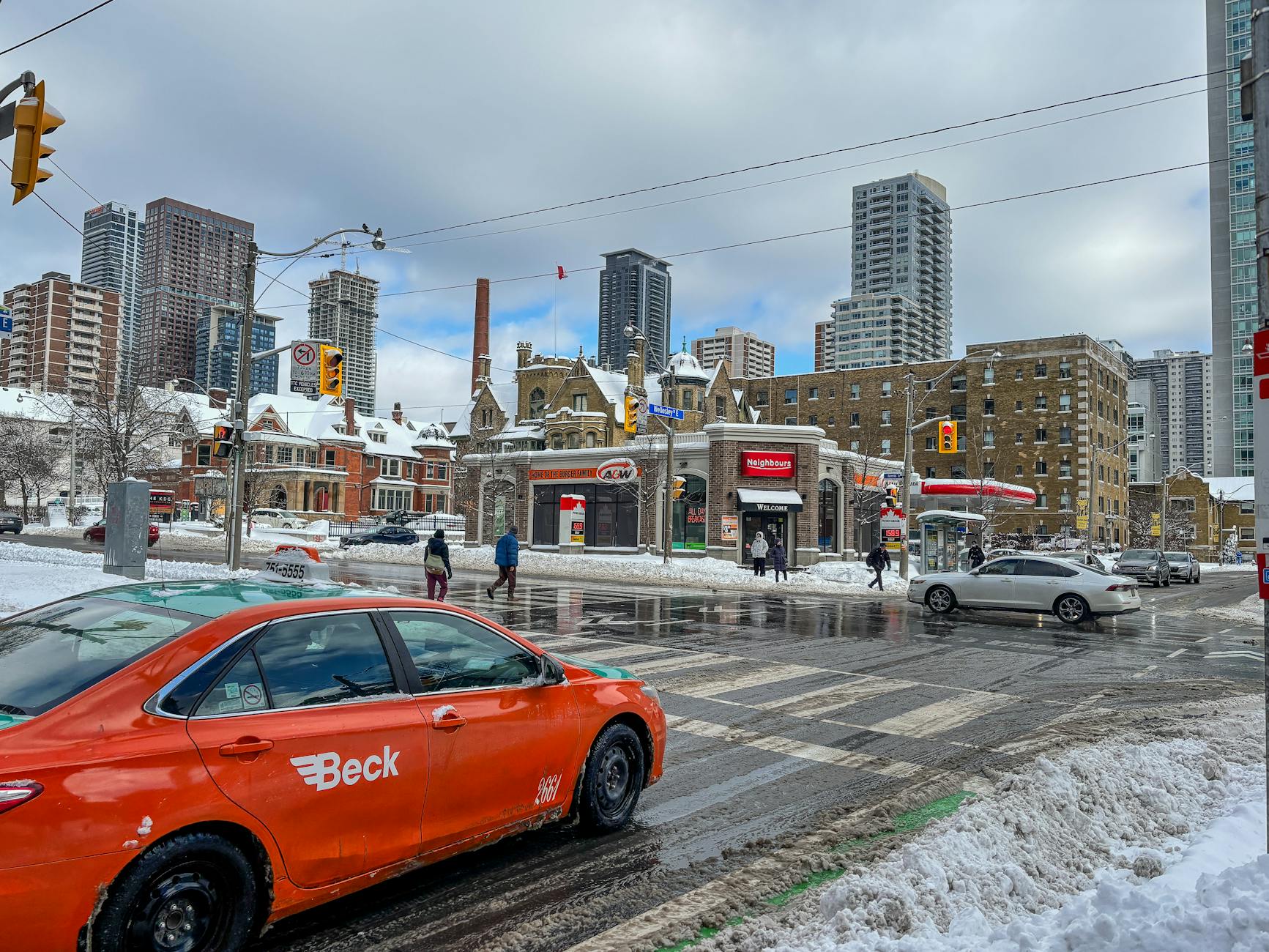
The February 2026 blizzard dumped 19.7 inches of snow on Central Park, ranking it the ninth biggest snowstorm in recorded New York City history, with wind gusts reaching 40 to 55 mph and snowfall rates that exceeded two inches per hour at peak intensity. The storm killed at least 30 people across the Northeast, grounded flights, shut down mass transit, and prompted Governor Hochul to declare a state of emergency and activate roughly 100 National Guard members. Claims circulating online that NYC hasn’t had a winter like this in 99 years appear to originate from social media and YouTube rather than verified meteorological data, but the underlying reality is still remarkable — the 2025-2026 season has produced 40.8 inches of snowfall through late February, making it the snowiest in at least a decade and well above the 27-year median of 30.2 inches. The blizzard itself was not some localized event.
Roughly 35 million people from Maryland to New Hampshire fell under blizzard warnings, and parts of Long Island recorded over 30 inches, with Central Islip hitting 31 inches. Brooklyn and Queens saw 20-inch accumulations. NYC was placed under its first Blizzard Warning in nearly a decade. This article breaks down exactly what happened during the February 2026 storm, how the “99 years” claim holds up against the actual record books, who bore the worst consequences, and what this kind of extreme weather event means for infrastructure, insurance, and government accountability in one of the most densely populated corridors in the country.
Table of Contents
- How Bad Was NYC’s 2026 Blizzard — and Does “99 Years” Hold Up?
- The Death Toll and Human Cost Across the Northeast
- Infrastructure Failures and Transit Shutdowns During the Storm
- Insurance Claims and Financial Fallout for Homeowners
- The Climate Context Politicians Do Not Want to Discuss
- How This Storm Compares to NYC’s Worst Winters on Record
- What Comes Next for the Rest of the 2025-2026 Winter Season
- Conclusion
- Frequently Asked Questions
How Bad Was NYC’s 2026 Blizzard — and Does “99 Years” Hold Up?
The phrase “NYC Hasn’t Had Winter Like This in 99 Years” makes for a dramatic headline, but the verified numbers tell a more nuanced story. The 2025-2026 winter season has been genuinely exceptional — 40.8 inches of snow in Central Park through February 23 puts it well ahead of the recent average and makes it the snowiest season in roughly a decade. But NYC’s all-time snowiest winter remains the 1995-96 season, which dumped 75.6 inches on the city. The current season would need approximately 20 more inches just to crack the top five. So while this winter has been unusually harsh by modern standards, calling it a once-in-a-century event is a stretch that the data does not support. What is genuinely historic is the February 22-23 blizzard itself. At 19.7 inches in Central Park, it ranks ninth on the list of biggest single snowstorms in the park’s records, which date back to 1869.
Snowfall rates during the worst hours hit 2 to 4 inches per hour, burying cars and making roads impassable within minutes. Wind gusts sustained at 40 to 50 mph across the metro area, with coastal areas seeing gusts near 55 mph, created whiteout conditions that persisted for hours. For comparison, the biggest snowstorm in Central Park history — January 2016’s Winter Storm Jonas — dropped 27.5 inches. The February 2026 storm came in about eight inches short of that, but the wind speeds and rapid accumulation rates made it feel every bit as punishing. The “99 years” framing likely resonates because younger new Yorkers genuinely haven’t experienced anything like this. The city has had relatively mild winters in recent years, and a generation of residents has grown up without ever seeing a true blizzard warning issued for the five boroughs. When one finally arrived, it landed hard.

The Death Toll and Human Cost Across the Northeast
At least 30 people died as a direct or indirect result of the February 2026 blizzard, a figure that underscores how deadly winter storms remain even in regions that are supposedly prepared for them. New Jersey bore the heaviest toll with 15 fatalities. New York State recorded six deaths. Connecticut, Maryland, Pennsylvania, and Rhode Island each lost two residents, and Massachusetts reported one death. Many of these fatalities involved car accidents on uncleared roads, cardiac events during shoveling, and exposure among people who lost power or became stranded. This death toll is significant, but it also reflects a recurring problem with how governments communicate and enforce storm warnings.
Travel bans were enacted across the tri-state area, but enforcement varied widely by municipality. In some New Jersey communities, drivers were still on roads well after official bans took effect, contributing to pileups and stranded vehicles that then blocked emergency responders. However, if you compare the 2026 response to historical blizzards — the 1888 Great Blizzard killed over 200 people in the Northeast, and the 1996 blizzard killed more than 150 — modern warning systems and infrastructure have dramatically reduced the toll. The problem is that “dramatically reduced” still means 30 families are grieving. The storm also exposed the particular vulnerability of people experiencing homelessness. New York City’s emergency shelter system was strained as outreach teams worked to bring people indoors before conditions became unsurvivable. The adequacy of those efforts, and whether the city had sufficient warming centers open in the hardest-hit outer boroughs, is a question that local officials will be answering for months.
Infrastructure Failures and Transit Shutdowns During the Storm
The February 2026 blizzard brought New York City’s transportation network to a near-complete halt, a scenario that transit officials had theoretically planned for but that still played out with significant disruption. The MTA suspended above-ground subway and bus service as conditions deteriorated on the evening of February 22, and service was not fully restored for more than 24 hours in some areas. Commuter rail lines including the LIRR and Metro-North experienced extensive cancellations. At JFK and LaGuardia, hundreds of flights were canceled, stranding travelers in terminals that in some cases lost heating as the storm overwhelmed building systems. The Port Authority’s handling of airport closures drew particular criticism. Some airlines continued booking passengers onto flights that had already been effectively canceled by weather conditions, leaving travelers scrambling for hotels that were either fully booked or charging surge prices.
Under federal rules established by the Department of Transportation, airlines are required to provide refunds for canceled flights, but the process of actually obtaining those refunds has historically been slow and adversarial. Anyone who was affected should document their cancellation and file directly with the airline before escalating to a DOT complaint. Road infrastructure fared poorly as well. The New Jersey Turnpike and Garden State Parkway were closed for extended periods. Plowing operations in New York City struggled to keep up with snowfall rates that exceeded two inches per hour, and some residential streets in Brooklyn, Queens, and the Bronx went unplowed for more than 18 hours. For residents who depend on cleared streets for medical access or emergency services, that delay is not an inconvenience — it is a life-safety failure.
Insurance Claims and Financial Fallout for Homeowners
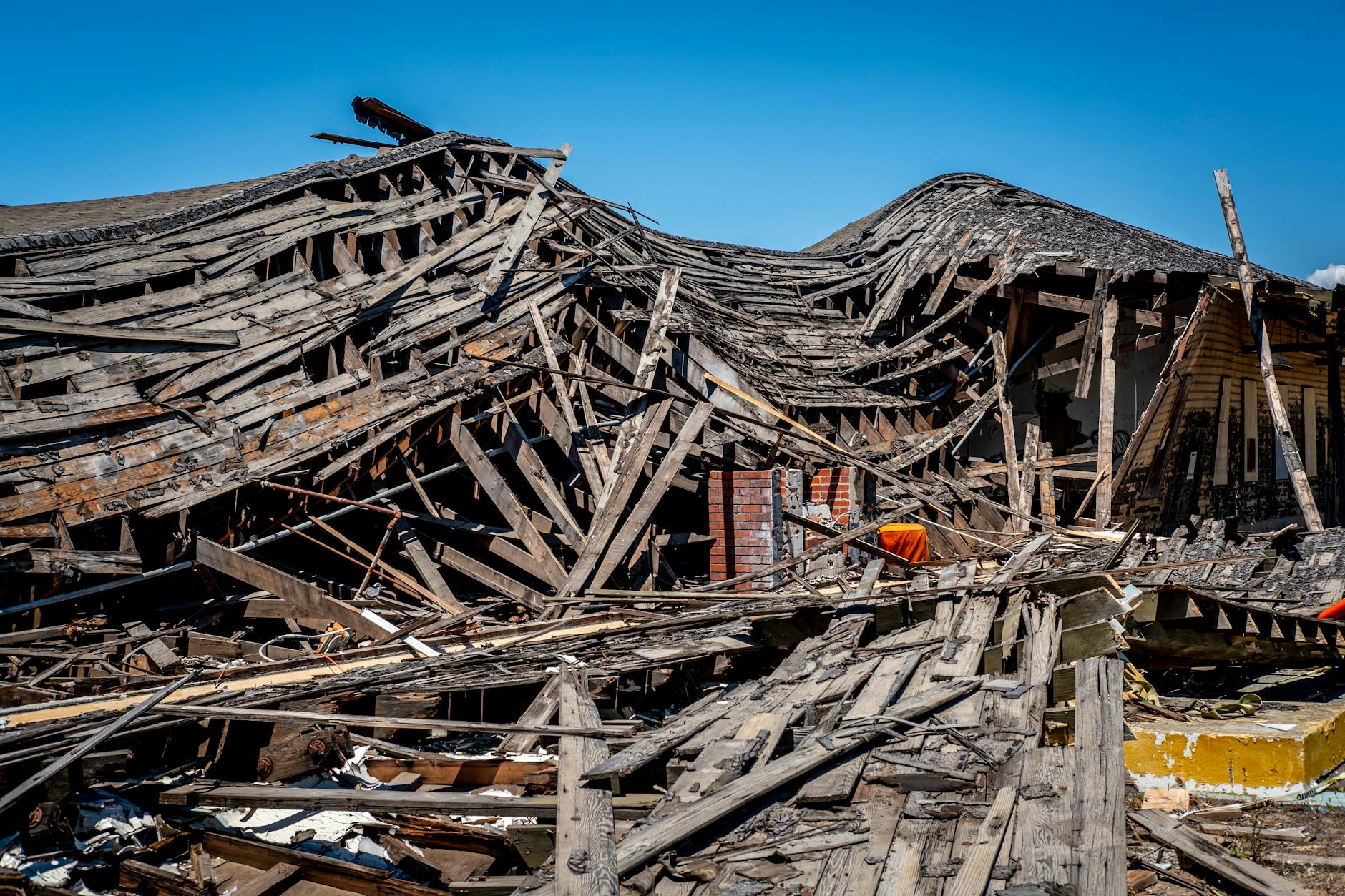
The financial aftermath of a storm that dumps one to two feet of snow with 55 mph wind gusts extends well beyond the cleanup. Homeowners across the Northeast are now filing claims for roof damage caused by the combined weight of heavy snow and sustained high winds, burst pipes from temperature drops that accompanied the storm, and water damage from ice dams that formed in the days following the blizzard. Standard homeowner’s insurance policies generally cover wind and snow damage, but the specifics vary significantly by carrier and by state. Here is the critical distinction that catches many homeowners off guard: flood damage caused by snowmelt is typically not covered by standard homeowner’s insurance. If melting snow seeps into your basement, that is considered flooding and requires a separate National Flood Insurance Program policy or private flood coverage.
Many homeowners in the affected areas did not carry flood insurance because they are not in designated flood zones — but snowmelt flooding does not care about FEMA flood maps. Anyone who experienced water intrusion from melting snow should still file a claim and document everything, but they should be prepared for a coverage denial on the flood portion. For renters, the calculus is different. Renter’s insurance generally covers personal property damaged by a covered peril like burst pipes, but it does not cover the structure itself, and it does not cover damage from flooding unless a separate flood policy exists. The tradeoff is that renter’s insurance is cheap — often under $20 a month — while the protection gap for those without it can mean thousands of dollars in lost belongings with no recourse.
The Climate Context Politicians Do Not Want to Discuss
One of the most uncomfortable aspects of a storm like this is how quickly it gets absorbed into competing political narratives without any serious engagement with the underlying science. Some commentators pointed to the blizzard as evidence that climate change is not real, because how could global warming produce record snowfall? The answer, which climate scientists have been explaining for decades, is that a warmer atmosphere holds more moisture. Warmer ocean temperatures off the Atlantic coast contributed to the moisture loading that fueled the February 2026 storm. The relationship between warming and extreme precipitation events — including heavy snowfall when temperatures are still below freezing — is well-established in the peer-reviewed literature. However, it is also true that no single weather event can be attributed entirely to climate change. The February 2026 blizzard occurred because of a specific atmospheric setup — a rapidly intensifying low-pressure system, known as a bomb cyclone, that tracked up the East Coast. These types of storms have always occurred.
What the science suggests is that climate change is loading the dice, making the most extreme versions of these storms more likely and more intense. The distinction matters because it is the difference between honest policy discussion and political theater. What neither party in Congress has meaningfully addressed is the growing cost of extreme weather events for ordinary taxpayers. FEMA disaster declarations trigger federal spending. Insurance losses get passed through to policyholders as premium increases. Infrastructure repair comes out of state and local budgets that are already strained. The February 2026 blizzard is one storm in what has become a relentless cycle, and the tab is growing.

How This Storm Compares to NYC’s Worst Winters on Record
For perspective, the 19.7 inches that fell in Central Park during the February 2026 blizzard puts it in a specific historical tier. The all-time record for a single storm remains the 26.9 inches from the February 2006 nor’easter, with Winter Storm Jonas in January 2016 close behind at 27.5 inches (some measurements differ depending on the source). The 1888 Great Blizzard, which essentially shut down the entire Eastern Seaboard and killed over 200 people in New York alone, deposited an estimated 22 inches in the city. The February 2026 storm falls just below that legendary event in terms of raw accumulation but exceeded it in the geographic scope of blizzard warnings and the speed at which the snow fell.
📨 Get Free Accountability Coverage Alerts
Free · No spam · Unsubscribe anytime
The broader 2025-2026 season, at 40.8 inches through late February, is notable but not historically anomalous when viewed against the full record. The 1995-96 season’s 75.6 inches remains the benchmark. The 2010-11 season brought 61.9 inches. What makes the current season feel different to many residents is the concentration — a large percentage of that 40.8 inches came in just a few major events rather than being spread across steady, moderate snowfalls throughout the winter.
What Comes Next for the Rest of the 2025-2026 Winter Season
As of late February, the 2025-2026 season would need approximately 20 more inches of snow to break into the top five snowiest winters in Central Park history. March storms are not uncommon in New York — some of the city’s biggest historical snowfalls have occurred in March, including a 1993 superstorm that brought over a foot of snow — so the season is far from over. Extended forecasts should be watched carefully, particularly given the active storm track that has characterized this winter. For city and state officials, the more pressing concern is whether the response infrastructure can handle another major event.
Salt and plow supplies have been heavily drawn down. The National Guard activation during the February blizzard signals that normal city resources were already stretched thin. If another significant storm materializes in March, the question is whether New York will be ready or whether the response gaps that left some neighborhoods unplowed for 18 hours will widen further. Residents should not assume the worst is over. Keep emergency supplies stocked, maintain awareness of warming center locations, and monitor official sources — not social media hyperbole — for forecasts and warnings.
Conclusion
The February 2026 blizzard was a genuinely historic storm — 19.7 inches in Central Park, top-10 all-time status, 30 deaths across the Northeast, and a level of disruption that most current New Yorkers had never experienced. The broader 2025-2026 winter, at 40.8 inches and counting, is the snowiest in a decade. Whether it qualifies as something NYC hasn’t seen in 99 years depends on how loosely you define the claim, but the verified data puts it well short of the city’s true record-setters.
What is not debatable is the human and financial toll: lives lost, infrastructure strained, insurance claims piling up, and hard questions about preparedness that officials have been slow to answer. For readers navigating the aftermath — whether that means filing insurance claims for storm damage, seeking refunds for canceled flights, or simply trying to understand what happened and why — the most important thing is to rely on documented facts rather than viral headlines. The storm was bad enough on its own terms. It does not need exaggeration to demand attention, accountability, and better preparation for what increasingly appears to be a new normal.
Frequently Asked Questions
Was the February 2026 blizzard really the worst NYC has seen in 99 years?
Not by verified meteorological standards. The 19.7 inches in Central Park ranks ninth all-time for a single storm, and the 2025-2026 season’s 40.8 inches through late February is well short of the all-time record of 75.6 inches set in 1995-96. The “99 years” claim appears to originate from social media rather than official weather data.
How many people died in the February 2026 blizzard?
At least 30 fatalities were confirmed across the Northeast, including 15 in New Jersey, 6 in New York, 2 each in Connecticut, Maryland, Pennsylvania, and Rhode Island, and 1 in Massachusetts.
Does homeowner’s insurance cover damage from a blizzard?
Standard homeowner’s policies generally cover wind and snow damage, including roof damage and burst pipes. However, flooding from snowmelt is typically excluded and requires a separate flood insurance policy. Check your specific policy and document all damage immediately.
Can I get a refund for flights canceled during the blizzard?
Yes. Federal rules require airlines to provide refunds for flights they cancel, regardless of the reason. File directly with the airline first. If the airline is unresponsive or denies a refund you believe you are owed, escalate by filing a complaint with the U.S. Department of Transportation.
How does this winter compare to NYC’s snowiest season on record?
The 2025-2026 season’s 40.8 inches through February 23 is the most in about a decade but would need roughly 20 additional inches to crack the top five all-time. The record remains 75.6 inches in the 1995-96 season.
Did climate change cause the February 2026 blizzard?
No single weather event can be attributed entirely to climate change. However, climate science indicates that a warmer atmosphere holds more moisture, and warmer Atlantic Ocean temperatures contributed to the storm’s intensity. The scientific consensus is that climate change increases the likelihood and severity of extreme precipitation events, including heavy snowfall.
You Might Also Like
- Last Time NYC Had Blizzard Warning Was 2017…Up to 2 Feet for NJ, 70 MPH Wind Gusts
- White House Response to Mar-a-Lago Shooting Immediately Became Political
- Virginia Governor Spanberger to Deliver Democratic Response Tonight