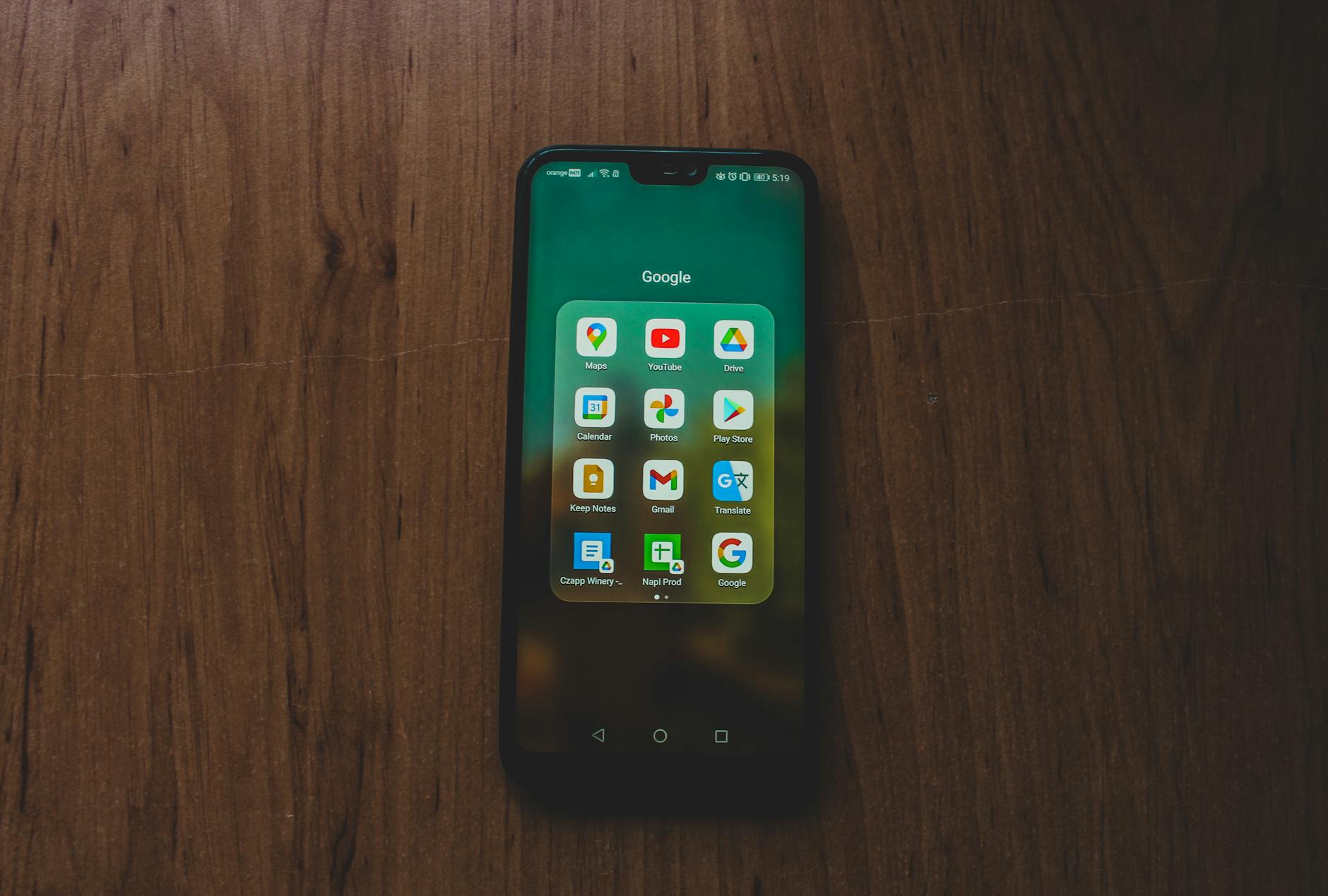
Yes, Google is paying out $630 million directly to consumers as part of a massive $700 million antitrust settlement, and most eligible people will receive their money automatically through PayPal or Venmo without filing a single form. If you made any purchase on the Google Play Store between August 16, 2016, and September 30, 2023, you are likely one of the estimated 102 million consumers eligible for a payment of at least $2, with the final amount depending on your total spending and the number of claimants. For someone who spent hundreds of dollars on apps, in-app purchases, or subscriptions during that seven-year window, the payout could be meaningfully higher than the guaranteed minimum. The settlement stems from a coordinated legal effort by 53 attorneys general across all U.S.
states and territories, who accused Google of monopolizing the Android app market by tightly controlling how users could obtain and pay for apps and by misleading consumers about the risks of sideloading. The deal was originally reached in 2023, with preliminary court approval granted on November 20, 2025. But here is the critical detail most headlines leave out: no payments have been distributed yet. The court hearing for final approval is scheduled for April 30, 2026, and automatic payments will not be processed until after that date. This article breaks down exactly who qualifies, how the PayPal and Venmo payment system works, what to do if you do not have either account, and the key deadlines you need to know.
Table of Contents
- How Does the $700 Million Google Play Store Settlement Pay You Automatically Through PayPal and Venmo?
- Who Qualifies for the Google Play Settlement and What If You Changed Your Email?
- What Did Google Actually Do Wrong in the Play Store Antitrust Case?
- What to Do Right Now to Make Sure You Get Your Payment
- Common Scams and Warnings Around the Google Play Settlement
- How the $630 Million Consumer Fund Will Be Divided
- What This Settlement Means for Future App Store Regulation
- Conclusion
- Frequently Asked Questions
How Does the $700 Million Google Play Store Settlement Pay You Automatically Through PayPal and Venmo?
The payment mechanism for this settlement is unusual and worth understanding clearly. Rather than mailing checks that sit in drawers or requiring consumers to navigate a claims portal, the settlement administrator will send payments electronically through PayPal and Venmo. Consumers will receive an email from PayPal or a text message from Venmo notifying them of an incoming payment. The money is sent to the email address or phone number already associated with your Google Play account. If that email or phone number is also linked to an existing PayPal or Venmo account, the funds go directly into that account with no action required on your part. This approach is designed for speed and reach, but it only works seamlessly if your Google Play account information is still current.
For example, if you set up your Google Play account with a Gmail address you actively use and that same address is tied to your PayPal account, you will receive the payment without lifting a finger. Compare this with a traditional class action settlement where you would need to file a claim form, wait months for a check, and then cash it before it expires. The automatic PayPal and Venmo system eliminates most of those friction points. According to the Massachusetts Attorney General’s office and multiple other state AG announcements, the vast majority of the 102 million eligible consumers will be covered through this automatic process. The remaining $70 million of the $700 million total goes directly to the states and the District of Columbia as penalties. That money does not reach consumers, but it represents the enforcement side of the settlement, the price Google pays to the public for its anticompetitive conduct.
Who Qualifies for the Google Play Settlement and What If You Changed Your Email?
eligibility is straightforward: any consumer who made purchases on the Google Play Store between August 16, 2016, and September 30, 2023, qualifies. This includes app purchases, in-app purchases, subscriptions, movies, books, and any other paid transaction processed through Google Play’s billing system. Free app downloads alone do not count. If you ever spent money through the Play Store during that seven-year period, you are almost certainly eligible. However, there is a significant catch that could affect millions of people. If you no longer have access to the email address or phone number associated with your Google Play account, the automatic payment may not reach you. Consider someone who used a work email tied to a job they left in 2018 or a college email that has since been deactivated.
The PayPal or Venmo notification would go to a dead address. For these consumers, the settlement includes a supplemental claims process that will allow people to verify their identity and provide updated contact information. Details on this supplemental process are available through the official settlement website at googleplaystateagantitrustlitigation.com. If you think you qualify but are not sure your contact information is current, checking your Google account settings now rather than waiting is the smart move. It is also worth noting that the deadline to opt out or file an objection was February 19, 2026, which has already passed. If you wanted to preserve the right to sue Google independently rather than accept the settlement payment, that window is closed. For the vast majority of consumers, accepting the automatic payment is the practical choice, as individual litigation against Google would be cost-prohibitive for the relatively small amounts involved.
What Did Google Actually Do Wrong in the Play Store Antitrust Case?
The legal theory behind this settlement is that Google maintained a monopoly over Android app distribution and in-app payments by making it difficult and unappealing for users to get apps from anywhere other than the Play Store. While Android is technically an open operating system that allows sideloading, meaning installing apps from sources other than the official store, the attorneys general argued that Google deliberately discouraged this practice by displaying exaggerated security warnings when users attempted to sideload apps. The result was that consumers were effectively locked into the Play Store, where Google charged developers commissions of up to 30 percent on transactions, costs that were then passed on to consumers through higher prices. Think of it this way: imagine you could only buy groceries at one store in your town, and that store charged suppliers a hefty fee to stock their products, which meant you paid more for everything. Now imagine the store put up signs warning that buying groceries anywhere else might give you food poisoning, even though the other stores were perfectly safe.
That is roughly what the attorneys general argued Google was doing with its Play Store. The 53 attorneys general, representing every U.S. state and territory, found this conduct sufficiently harmful to consumers to warrant the $700 million settlement. Google, for its part, did not admit wrongdoing in agreeing to the settlement. This is standard practice in large civil settlements. But the sheer scale of the agreement, one of the largest multistate consumer protection settlements in history, speaks to how seriously regulators viewed the underlying conduct.
What to Do Right Now to Make Sure You Get Your Payment
The most important step is to verify that the email address or phone number linked to your Google Play account is one you still actively use and that is also connected to a PayPal or Venmo account. You can check your Google account settings at myaccount.google.com to confirm your contact information. If your email has changed since you last used the Play Store, update it now or be prepared to go through the supplemental claims process after the final approval hearing. If you do not have a PayPal or Venmo account at all, you have two options. You can create one using the email address tied to your Google Play account, which would allow the automatic payment to reach you.
Alternatively, you can wait for the supplemental claims process, which is specifically designed for people who do not have PayPal or Venmo or whose contact information no longer matches. The tradeoff is clear: setting up a PayPal or Venmo account takes a few minutes and ensures you receive payment automatically, while waiting for the supplemental process means additional steps and potentially a longer wait. PayPal and Venmo are both free to set up and maintain, so for most people, creating an account is the faster path. Do not pay anyone to file a claim on your behalf. Because payments are automatic for most consumers, there is no legitimate reason for a third party to charge you for assistance. Any service demanding a fee to “help” you collect this settlement money is almost certainly a scam.
Common Scams and Warnings Around the Google Play Settlement
Whenever a major settlement involves automatic payments, scammers move quickly. Since December 2, 2025, when official notification emails began going out, reports have surfaced of phishing emails designed to look like legitimate settlement communications. A real notification will come directly from PayPal or Venmo and will reference the Google Play Store settlement specifically. Legitimate communications will never ask you for your password, Social Security number, or bank account information. If you receive an email or text asking for sensitive personal information and claiming to be about this settlement, it is fraudulent. Another common issue is confusion about timing. As of March 2026, no payments have been distributed.
Consumers have only received notices so far. Anyone claiming they have already received their Google Play settlement payment is either mistaken or lying. The final court approval hearing is set for April 30, 2026, and automatic payments will not be processed until after that date. If someone contacts you claiming they can expedite your payment or that you need to act immediately to avoid losing your share, that is a red flag. The official settlement website, googleplaystateagantitrustlitigation.com, is the only authoritative source for updates. State attorney general websites including those from Massachusetts, Vermont, California, New York, and Texas have also published verified information about the settlement. Stick to these official sources and be deeply skeptical of anything that arrives unsolicited.

How the $630 Million Consumer Fund Will Be Divided
The math is simple but the outcome is uncertain. The $630 million consumer restitution fund will be divided among all eligible claimants, with each person guaranteed a minimum of $2. If all 102 million eligible consumers receive payments, the average would be roughly $6.17 per person. But the actual distribution will not be uniform.
📨 Get Free Accountability Coverage Alerts
Free · No spam · Unsubscribe anytime
Payments are weighted based on how much each consumer spent in the Google Play Store during the eligible period. Someone who spent $1,000 on apps and subscriptions over seven years will receive proportionally more than someone who made a single $2.99 purchase. The final per-person amounts will not be known until after the April 30 hearing, when the court finalizes the settlement terms and the administrator calculates the actual distribution. History with similar settlements suggests that not all eligible consumers will successfully receive payment, whether due to outdated contact information, unclaimed PayPal transfers, or other logistical issues, which could mean slightly larger payments for those who do receive them.
What This Settlement Means for Future App Store Regulation
The Google Play Store settlement is part of a broader national reckoning with how tech platforms control digital marketplaces. Apple faces similar antitrust scrutiny over its App Store practices, and the European Union’s Digital Markets Act has already forced both companies to make changes to their app distribution and payment policies in Europe. The $700 million figure sends a clear signal to the tech industry that state attorneys general are willing and able to pursue massive enforcement actions against anticompetitive conduct in digital markets.
Looking ahead, the April 30, 2026, hearing will determine whether the settlement proceeds as planned or faces any modifications. Assuming final approval is granted, payments should begin flowing to consumers in the weeks following the hearing. For the 102 million eligible consumers, this is not life-changing money, but it is a concrete consequence for Google and a reminder that antitrust enforcement can deliver tangible results to ordinary people. Keep your contact information current, watch for legitimate notifications from PayPal or Venmo, and ignore anyone who says you need to pay to collect what is already owed to you.
Conclusion
The Google Play Store $700 million settlement represents one of the largest multistate consumer protection actions in U.S. history. If you made any purchase through the Play Store between August 2016 and September 2023, you are likely among the 102 million consumers eligible for an automatic payment through PayPal or Venmo. The key facts to remember: payments will not arrive until after the final court approval hearing on April 30, 2026, you do not need to file a claim in most cases, and your payment will be sent to the email or phone number tied to your Google Play account. Your immediate action items are simple.
Verify your Google account contact information is current. Make sure that email or phone number is connected to a PayPal or Venmo account. Bookmark the official settlement website at googleplaystateagantitrustlitigation.com for updates. And if anyone asks you for money or sensitive personal information in connection with this settlement, report them to your state attorney general’s office. The payment is automatic, it is free, and it is coming, but not until the court says so.
Frequently Asked Questions
Do I need to file a claim to receive my Google Play settlement payment?
No. Most of the estimated 102 million eligible consumers will receive their payment automatically through PayPal or Venmo. You only need to take action if your contact information has changed or you do not have a PayPal or Venmo account, in which case a supplemental claims process will be available.
When will I actually receive my settlement payment?
Not until after April 30, 2026, at the earliest. That is the date of the final court approval hearing. No payments have been distributed as of March 2026, only notification emails have been sent starting December 2, 2025.
How much money will I receive from the Google Play settlement?
Each eligible consumer will receive at least $2, but the actual amount depends on how much you spent in the Google Play Store between August 16, 2016, and September 30, 2023, and how many total claimants there are. The consumer fund totals $630 million.
What if I do not have PayPal or Venmo?
A supplemental claims process will be available for consumers who do not have PayPal or Venmo or who no longer have access to the email address or phone number associated with their Google Play account. You can also create a free PayPal or Venmo account using your Google Play email to receive the automatic payment.
Is the email I received about the Google Play settlement legitimate?
Legitimate notifications come from PayPal or Venmo and will never ask for your password, Social Security number, or bank account details. The official settlement website is googleplaystateagantitrustlitigation.com, and your state attorney general’s office can also confirm the settlement is real.
Can I still opt out of the settlement?
No. The deadline to opt out or file an objection was February 19, 2026, which has already passed. All eligible consumers who did not opt out will be included in the automatic payment process.
You Might Also Like
- Every Economic Recovery Plan in Washington Just Got Complicated by the Cost of War
- U.S. Minesweeping Capability in the Persian Gulf Has Been Declining for Years
- The Suez Canal Sees Reduced Traffic as Ships Avoid the Entire Middle East Region