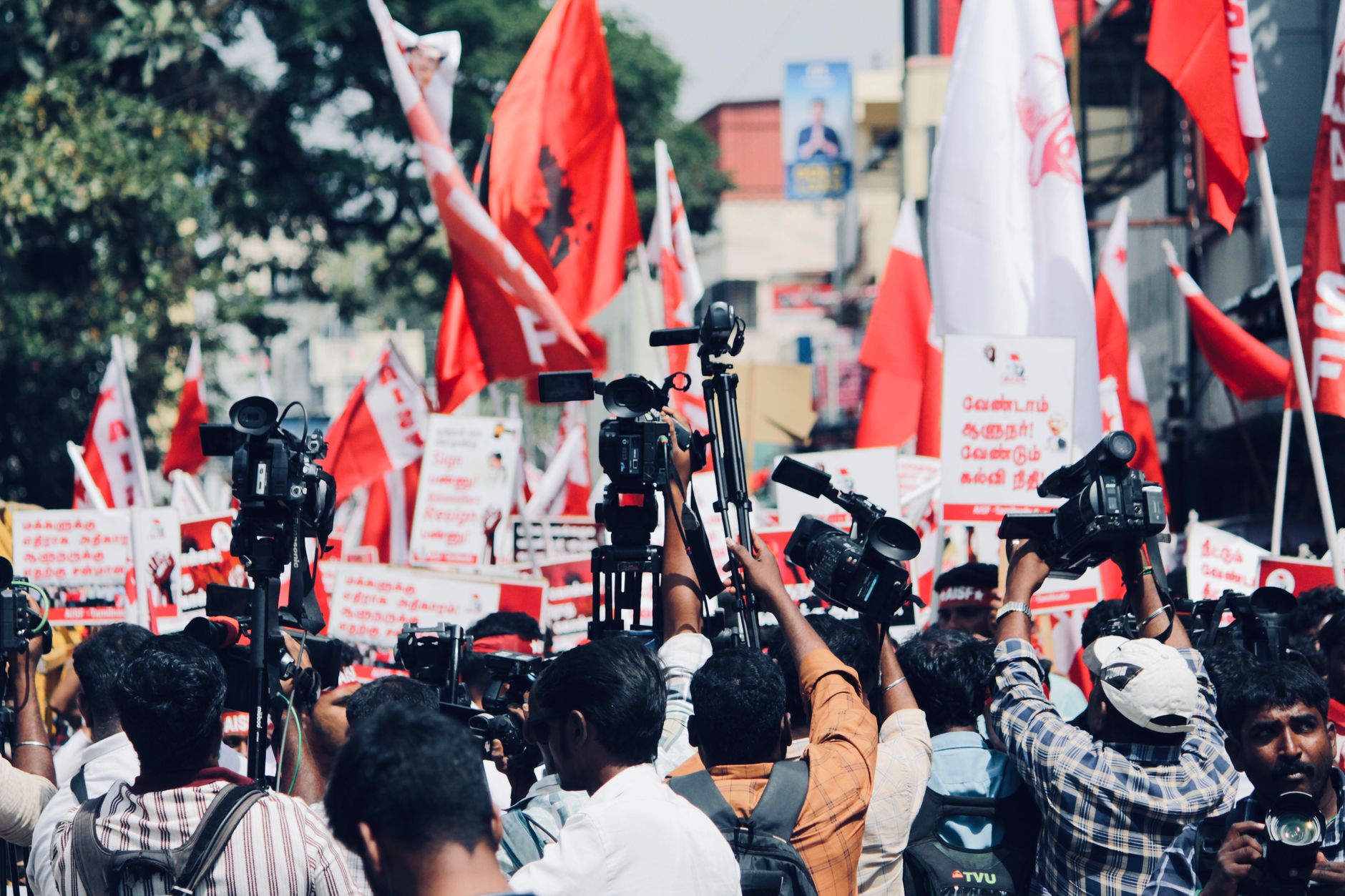
No, Hegseth's press restriction policy is not grounds for a general Trump class action by voters or consumers. Courts have treated it as a First Amendment press-access dispute for credentialed reporters, not a Rule 23 claim for the public. A class action is a lawsuit where one plaintiff represents a large group with the same legal injury. Here the injury and remedy belong to Pentagon reporters who lost access, and courts granted them injunctions and badge restoration.
Official resources:
- Read the original report from Mtsu — Use this primary source to review the complete report.
- Read the original research from Whro — Use this page to review the original research.
Table of Contents
- What the Pentagon policy required
- Why reporters refused and sued
- What the court ordered
- Why this is not a Trump class action
What the Pentagon policy required
Defense Secretary Pete Hegseth issued a 17-page Pentagon policy on Sept. 19, 2025. It required credentialed journalists to pledge not to gather or report unauthorized information, even if unclassified.
Reporters who refused the pledge faced loss of credentials. According to the NPR account via WHRO, the pledge applied inside the Pentagon to unauthorized material regardless of classification NPR report via WHRO. The rule shifted routine newsgathering into a credential offense. It made access depend on a promise not to seek unapproved information.
Why reporters refused and sued
Dozens of Pentagon correspondents refused to sign and surrendered press badges in October 2025. The group included reporters from the Times, Post, AP, Reuters, CNN, Fox News and NPR. The New York Times then sued the Defense Department, Hegseth and spokesman Sean Parnell in December 2025.
The suit alleged the pledge and credential-revocation rules violated the First and Fifth Amendments. That choice matters for readers. The case sought press-access relief for journalists, not damages for consumers or voters affected by administration policy.
📨 Get Free Accountability Coverage Alerts
Free · No spam · Unsubscribe anytime
What the court ordered
Senior Judge Paul Friedman granted the Times summary judgment on March 20, 2026. He held the credential denial, suspension and revocation provisions unreasonable, viewpoint-discriminatory and lacking fair notice. According to the Reporters Committee for Freedom of the Press, the order restored seven Times credentials RCFP ruling summary.
The remedy was access, not payment. Three days later, the Pentagon moved reporters to an annex and required escorts under an interim policy. On April 9, 2026, Friedman ruled that substitute still flouted his March order.
Why this is not a Trump class action
The challenge is civil case 1:25-cv-04218, brought by the Times individually. According to the U.S. Press Freedom Tracker, the case is listed with appeal status and not as a certified Rule 23 class action for the public Tracker case update.
A general lawsuit against Trump would also face standing and certification problems. Voters and consumers did not lose Pentagon badges, and courts have granted injunctions rather than broad damages. Affected credentialed reporters have a narrower, stronger path:.
- keep denial, suspension or revocation letters and dates
- document lost assignments tied to Pentagon access
- seek injunctive relief and badge restoration through a press-access claim
- avoid joining or paying for a general consumer class-action filing on this policy
You Might Also Like
- Why Did Trump Officials Back Off Censoring an ICE Tracking App?
- Does the FCC Nominee’s Record Raise Trump Censorship Lawsuit Risk?
- Can a Lawsuit Challenge Trump Admin Removal of Diversity Data at Parks?