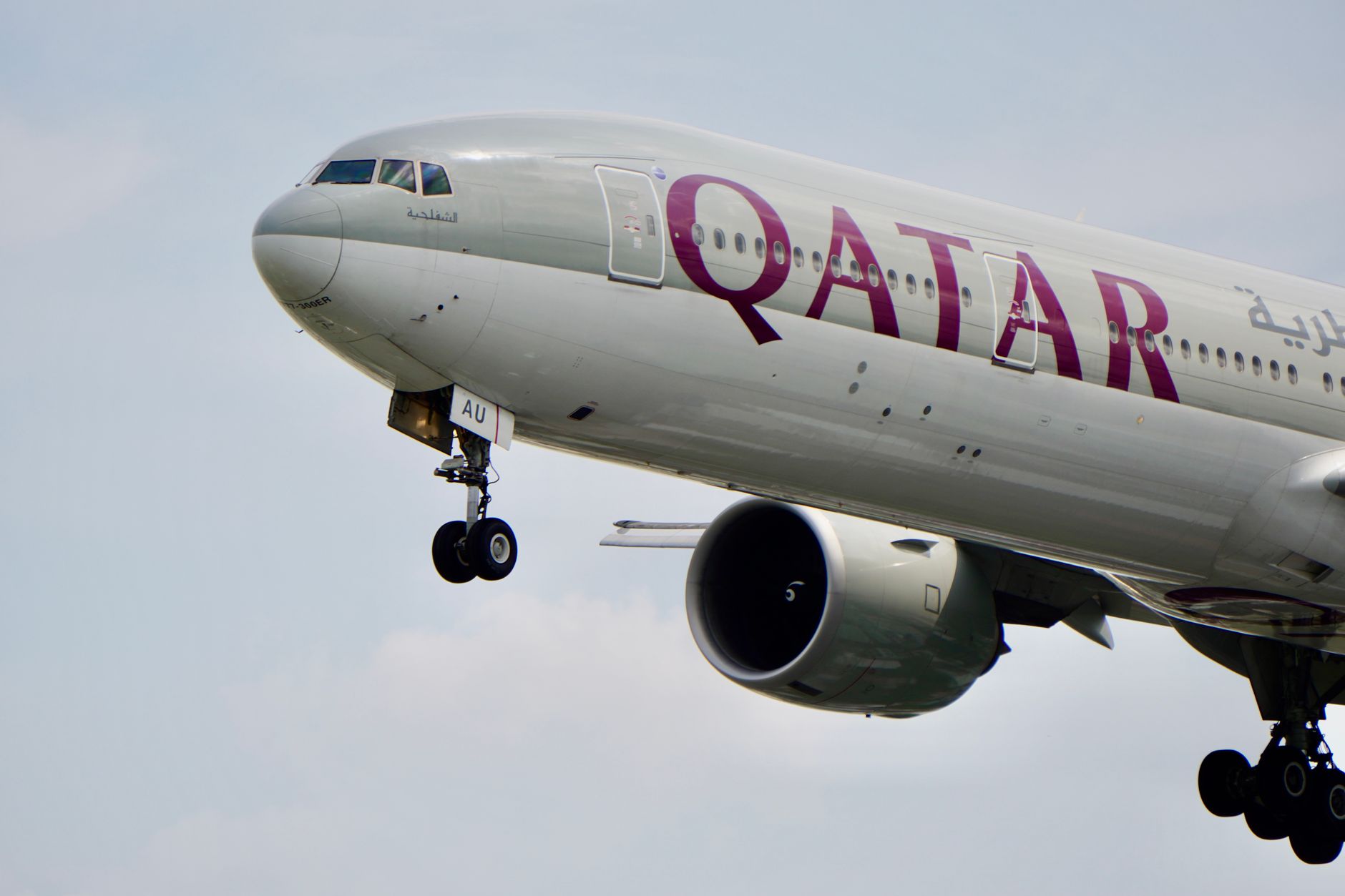
The Trump-Qatar jet controversy matters now because the foreign-donated aircraft has entered presidential service, while its constitutional status and eventual disposition remain disputed. The Foreign Emoluments Clause—the Constitution's restriction on federal officeholders accepting presents or benefits from foreign states without congressional consent—is relevant, but the record does not establish that Trump personally received the plane. The documented recipient is the United States. However, routing the aircraft through the government may not resolve every constitutional question, particularly if officials later transfer it to Trump's presidential library.
Table of Contents
- What happened to the Qatar jet?
- What is the Foreign Emoluments Clause issue?
- Why does the jet's future ownership matter?
- Security and readiness are separate concerns
- How readers can evaluate new claims
What happened to the Qatar jet?
qatar's government donated the Boeing 747-8 to the U.S. government. The Pentagon announced that it had accepted the aircraft on May 21, 2025, according to Defense News.
trump first used it for presidential travel on July 1, 2026. CBS News reported that the United States—not Trump personally—was the documented recipient. The Air Force calls the former Qatari head-of-state aircraft a temporary "VC-25B Bridge." It says the plane was needed because replacement VC-25B deliveries slipped to 2028 and the older VC-25A fleet requires extended maintenance.
What is the Foreign Emoluments Clause issue?
The constitutional text bars a person holding an office of profit or trust from accepting "any present" or emolument from a foreign state without Congress's consent. That language makes the recipient, the benefit received, and the aircraft's eventual disposition important, as shown in the National Archives' Constitution transcript. Critics argue that placing the jet with the Defense department would not cure the problem if it were later transferred to Trump's library.
The administration's structure instead treats the aircraft as government property used for presidential duties during Trump's term. That disagreement has not produced a binding congressional determination. A Senate resolution asserted that acceptance or transfer without explicit congressional consent would be illegal, but Congress.gov records that it was referred to committee and encountered an objection to consideration.
Why does the jet's future ownership matter?
Current government ownership weakens claims that Trump personally possesses the jet. A later transfer could change the relevant facts and renew questions about who ultimately benefits from Qatar's gift. That transfer is not settled.
📨 Get Free Accountability Coverage Alerts
Free · No spam · Unsubscribe anytime
In August 2026, a White House official said no final decision had been made about the plane after Trump's term, according to ABC News. A library transfer also would not automatically prove that Trump personally held title. Readers would need the final transfer terms, the receiving entity's identity, and any congressional action before reaching that conclusion.
Security and readiness are separate concerns
The Air Force says the modified jet is secure and mission-capable. It also acknowledges that accelerated delivery required tradeoffs involving less commonly used mission sets. Those statements do not mean the aircraft lacked all presidential security protections.
They do show that faster deployment involved operational limits beyond the constitutional dispute. The White House later said the jet would receive additional upgrades while Trump used the older aircraft for about a month. That followed scrutiny over whether the donated plane lacked some defensive systems carried by previous Air Force One aircraft.
How readers can evaluate new claims
Headlines about the aircraft should be tested against four separate questions: Claims that Trump already owns the jet conflict with the documented government recipient. Claims that the controversy is fully resolved also go too far while the post-term disposition remains undecided.
- Who legally owns the plane at the time of the claim?
- Is the asserted benefit governmental, personal, or tied to a future transfer?
- Has Congress expressly consented, or has a lawmaker merely proposed a resolution?
- Does an official security statement address every mission capability or only general readiness?
You Might Also Like
- Trump NIH Indirect Cost Limits: Why the Controversy Matters Now
- Trump Military Escalation Without New Authorization: Why the Controversy Matters Now
- What to Verify Before Drawing Conclusions About Trump Qatar Jet Nuclear Budget Transfer Questions