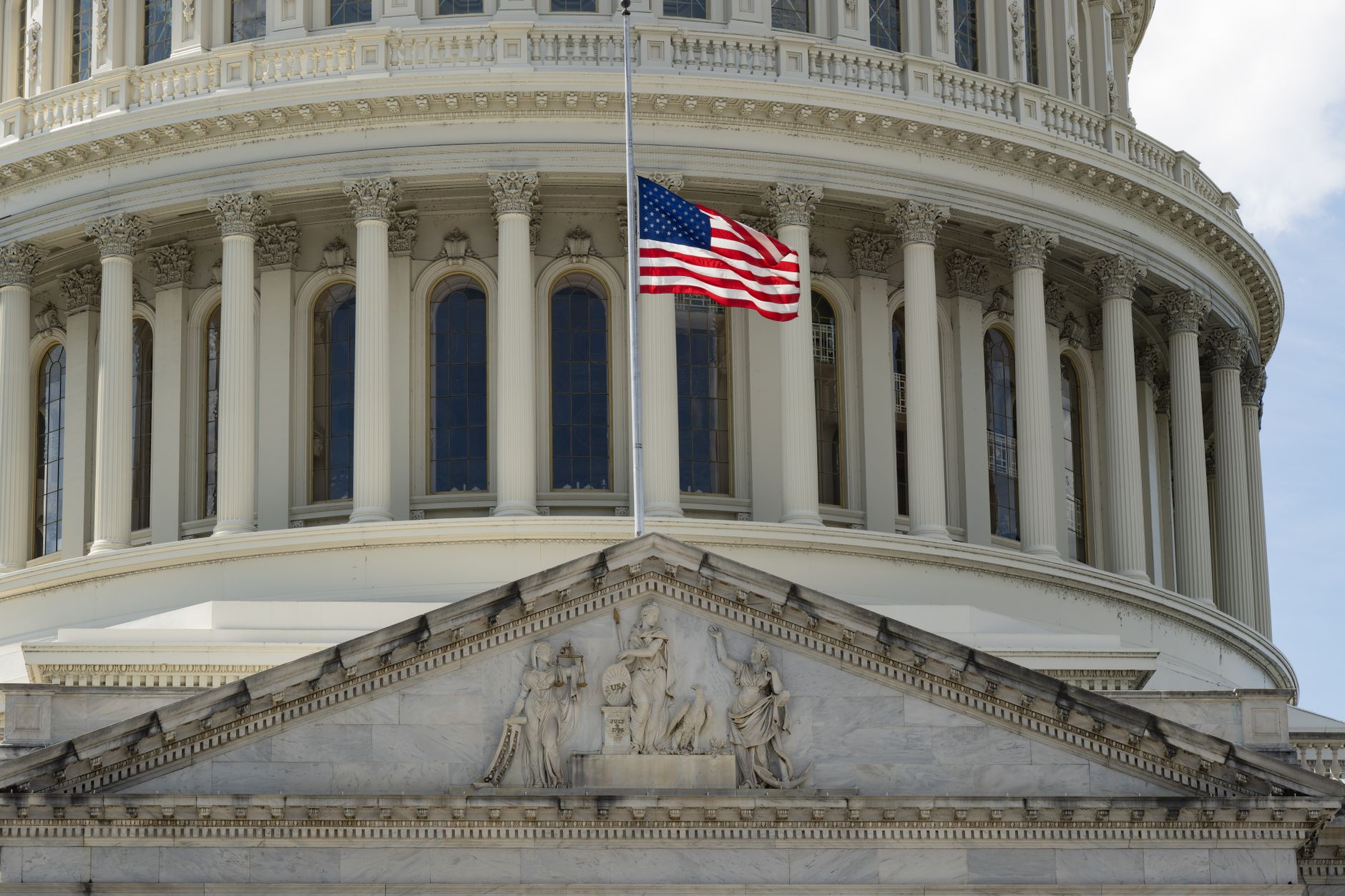
Congress cannot cancel valid Trump January 6 pardons through an ordinary law, but it can investigate them, condemn them, pursue impeachment, or propose a constitutional amendment. Courts cannot restore pardoned federal charges, but they can hear surviving civil claims and cases involving state crimes. A presidential pardon is constitutional clemency for a federal offense. It does not erase civil liability, guarantee victory in a lawsuit, or protect someone from state law.
Table of Contents
- What Trump's January 6 clemency did
- What can Congress do?
- Can January 6 defendants still face civil liability?
- Do the pardons protect Trump from civil suits?
- What can an injured person practically do?
What Trump's January 6 clemency did
On January 20, 2025, trump commuted 14 named defendants' sentences to time served. He pardoned the other covered convicted defendants and directed the Justice Department to seek dismissal with prejudice of pending related indictments, according to the White House proclamation.
Those actions removed or reduced federal criminal consequences within the proclamation's scope. The dismissal instruction addressed pending federal indictments, while the pardons covered other qualifying federal convictions. The Constitution limits presidential clemency to "Offences against the United States." As the Library of Congress explains, that power does not pardon state crimes or federal or state civil wrongs.
What can Congress do?
congress cannot pass a statute revoking these pardons or declaring January 6 offenses categorically ineligible for presidential clemency. The Supreme Court has treated the pardon power as constitutionally exclusive.
Congress still has several accountability tools. According to the Congressional Research Service, lawmakers can: A resolution would express political judgment but would not revive a conviction. Congress could also consider pardon-disclosure rules, although the constitutionality of such requirements remains uncertain.
- Investigate clemency decisions through congressional oversight.
- Adopt a nonbinding resolution expressing Congress's position.
- Use impeachment against a federal officer because pardons do not apply in impeachment cases.
- Propose a constitutional amendment changing the pardon power.
Can January 6 defendants still face civil liability?
Yes. A federal pardon does not create immunity from lawsuits alleging assault, wrongful death, civil-rights violations, or other civil wrongs. That principle produced a concrete result in June 2025. The Associated Press reported that a District of Columbia jury found pardoned january 6 defendant David Walls-Kaufman liable for assaulting Metropolitan Police Officer Jeffrey Smith.
📨 Get Free Accountability Coverage Alerts
Free · No spam · Unsubscribe anytime
The verdict shows that clemency and civil responsibility are separate questions. It does not mean every pardoned defendant is automatically liable; each claimant must prove the required facts and overcome applicable defenses. State-law exposure is also separate from federal clemency. A state prosecution would depend on the relevant law, evidence, jurisdiction, and decisions by the appropriate state authorities.
Do the pardons protect Trump from civil suits?
No. The pardons address covered defendants' federal offenses; they do not grant Trump civil immunity. The D.C. Circuit held that Trump had not established official-act immunity at the pleading stage in January 6 damages suits brought against him personally. The plaintiffs include Capitol Police officers, members of Congress, and others alleging interference with the electoral-vote count, as described in the court's December 2023 opinion. That ruling did not decide whether Trump committed a civil wrong or owes damages.
The court allowed him to develop evidence supporting official-act immunity and to raise other defenses. The federal judiciary's March 2026 report still listed *Blassingame v. Trump* as pending. The Supreme Court's 2024 *Trump v. United States* decision does not automatically end those cases. It concerned criminal prosecution and recognized protections for official acts, not blanket civil immunity for unofficial conduct.
What can an injured person practically do?
A person considering a claim should separate the pardon question from the civil case. The important issues are the alleged conduct, the injury, the responsible parties, available evidence, and the law governing the claim.
Useful first steps include: Private individuals can pursue claims they are legally entitled to bring, but they do not control criminal charging decisions. A pardon removes a federal criminal route—not the need to prove a civil case before its filing deadline.
- Preserve photographs, videos, messages, medical records, and contemporaneous notes.
- Document medical expenses, lost income, property damage, and other measurable losses.
- Identify the defendant's alleged conduct instead of relying on the pardon as proof.
- Ask qualified counsel which federal, state, or District of Columbia claims may apply.
- Check filing deadlines promptly; clemency does not extend a civil limitations period.
You Might Also Like
- What Congress and the Courts Can Do About Trump Qatar Jet Security Retrofit
- What Congress and the Courts Can Do About Trump Epstein Records Redaction Standards
- What Congress and the Courts Can Do About Trump E. Jean Carroll Payment and Interest Dispute