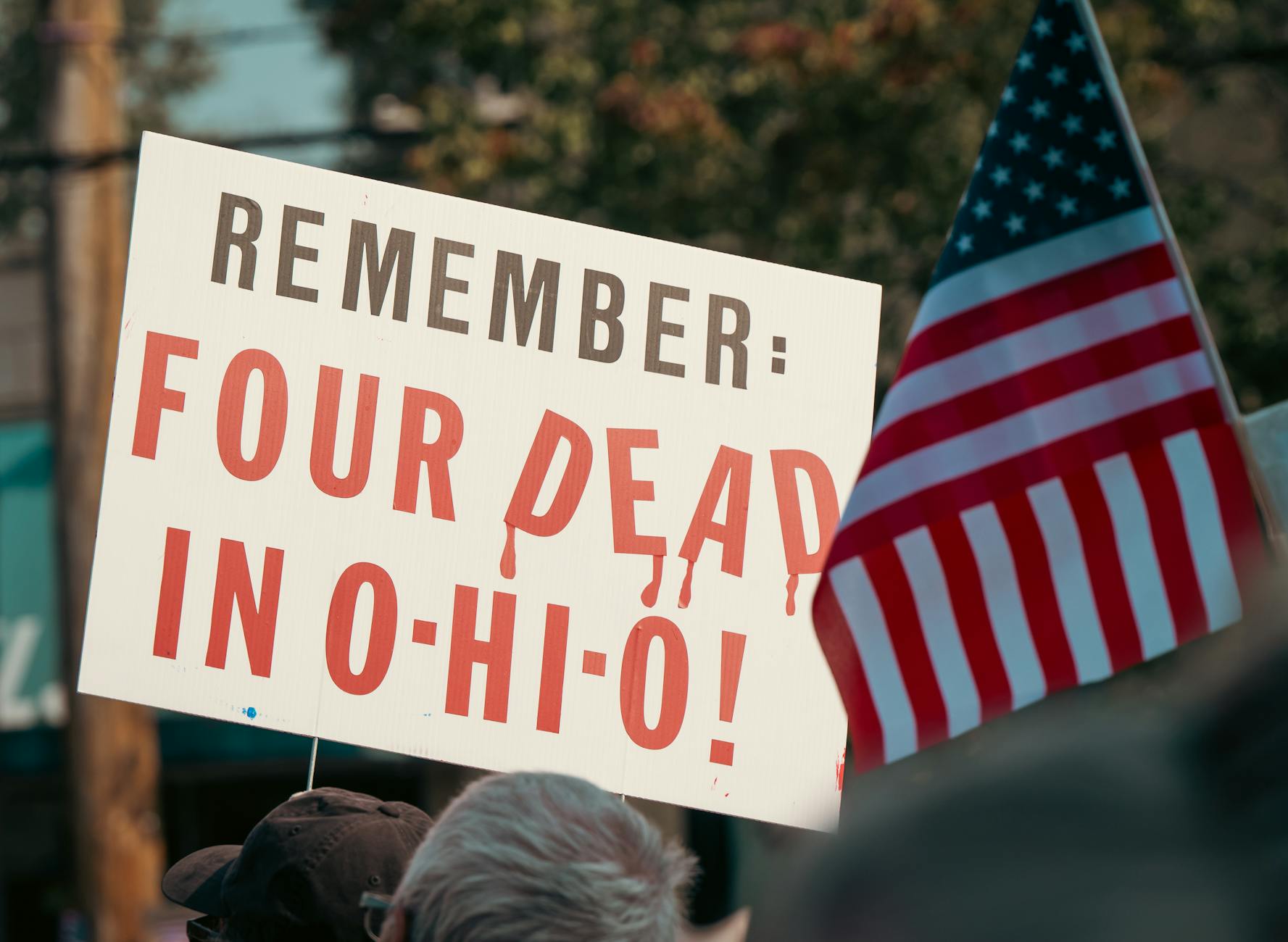
The documented case does not yet amount to a First Amendment reckoning. Fired January 6 prosecutor Michael Gordon asserts Fifth Amendment due-process and statutory claims, but no First Amendment claim and no merits ruling. The dispute instead tests whether the Trump administration lawfully removed protected federal employees without stated factual cause or required procedures. Gordon and two other former Justice Department officials seek reinstatement, back pay, and hearings, but none has received relief.
Table of Contents
- What led to Gordon's removal?
- What does the lawsuit actually claim?
- Where does the First Amendment fit?
- Has a court found the firings unlawful?
- Why the dispute matters beyond January 6
What led to Gordon's removal?
Attorney General Pam Bondi removed Gordon from his assistant U.S. attorney position and federal service on June 27, 2025. Her memo cited presidential authority under Article II and federal law but stated no factual reason for the firing. Gordon alleges that officials targeted him because he prosecuted January 6 defendants Richard Barnett, Eric Munchel, and Ray Epps.
He also says two other former January 6 prosecutors were fired that day. These remain allegations, not judicial findings, in Gordon's July 2025 federal complaint. Months earlier, DOJ had publicly explained a different group of removals. The Associated Press reported that Acting Attorney General James McHenry fired officials involved in prosecuting trump because he did not trust them to implement the president's agenda, according to the department's January 27 statement.
What does the lawsuit actually claim?
Gordon sued alongside Patricia Hartman, a former DOJ public-affairs official, and Joseph Tirrell, the department's former ethics director. They allege that their removals violated civil-service protections and the Fifth Amendment's Due Process Clause. In practical terms, their due-process argument concerns procedures: whether they had protected employment interests and whether the government could take those interests without adequate notice or an opportunity to respond.
They seek reinstatement, back pay, and name-clearing hearings. The complaint also invokes the Administrative Procedure Act, which governs judicial review of many federal agency actions, and mandamus, a remedy that can compel an official to perform a required duty. Those claims depend partly on whether a federal district court has authority to hear the dispute.
Where does the First Amendment fit?
Gordon alleges political retaliation, but his complaint does not plead a First Amendment cause of action. Describing his case as a pending First Amendment challenge therefore goes beyond the documented record. A separate lawsuit by FBI agents did raise First Amendment retaliation and Fifth Amendment due-process claims involving a January 6 personnel review.
📨 Get Free Accountability Coverage Alerts
Free · No spam · Unsubscribe anytime
Judge Jia Cobb dismissed that challenge for lack of standing because the feared disclosure and employment actions remained speculative future harms, according to the district court's 2025 opinion. That dismissal did not decide whether punishing agents for protected speech would be constitutional. It found that the plaintiffs had not shown a sufficiently concrete injury for the court to decide those questions. The FBI case and Gordon's employment case should not be treated as one lawsuit or one ruling.
Has a court found the firings unlawful?
No. The government moved to dismiss Gordon's case for lack of jurisdiction on November 25, 2025. That threshold dispute asks whether this court can hear the claims, not whether Gordon has proved retaliation or an unlawful removal.
The University of Michigan Civil Rights Litigation Clearinghouse listed the case as ongoing, with no relief granted, in its July 2026 docket update. A pending complaint records the plaintiffs' version of events; it does not establish that version as fact. The cited complaint presents claims by three named former DOJ officials, not a class action offering relief to every prosecutor or employee affected by January 6 personnel decisions. Reinstatement, back pay, and name-clearing hearings remain requested remedies rather than court-ordered outcomes.
Why the dispute matters beyond January 6
Gordon's removal also interrupted current criminal work. DOJ had identified him as a prosecutor in an alleged $100 million special-needs-trust fraud case shortly before his firing.
The personnel dispute therefore affected an active case involving alleged harm to people with special needs, not only completed January 6 prosecutions. Readers tracking new developments should distinguish four things:.
- A complaint contains allegations; an order states what the court decided.
- "Political retaliation" does not automatically mean a First Amendment claim was filed.
- A jurisdictional dismissal can end a case without deciding whether the firing was lawful.
- Updates should identify the case involved, because Gordon's suit and the FBI agents' suit assert different claims and reached different procedural stages.
You Might Also Like
- Trump Kennedy Center Renovation Faces Preservation, Spending, and Board-Authority Questions
- Proposed Trump Memorial Arch Faces a Sweeping Historic-Preservation Review
- Why the Trump Kennedy Center Closure Plan Became a Governance Lawsuit