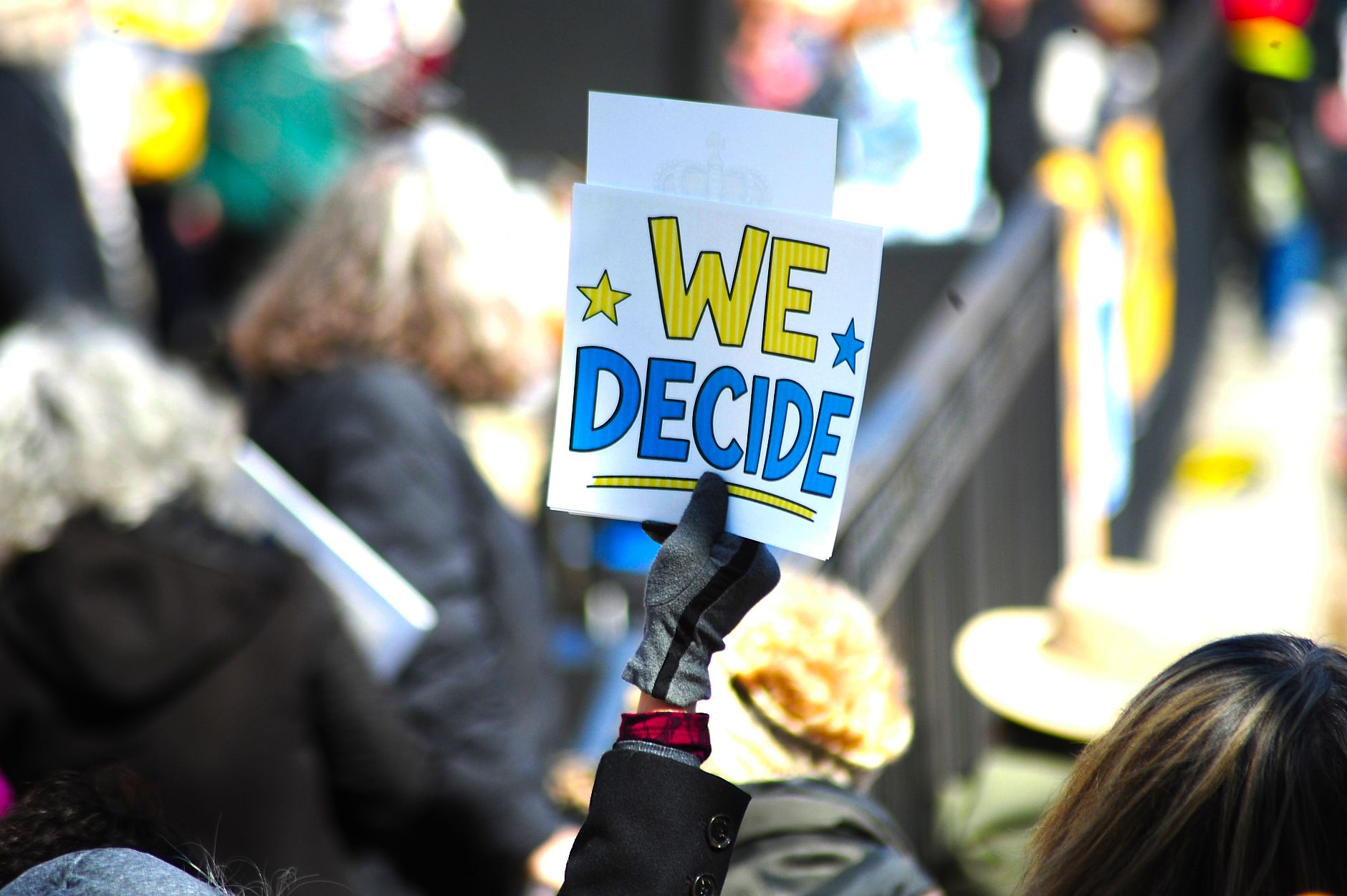
The Trump administration's Section 106 proposal does the opposite of what the title suggests: it removes public participation requirements rather than placing them at the center. The Advisory Council on Historic Preservation (ACHP) voted on July 24, 2026, to advance a Notice of Proposed Rulemaking that shifts public participation from mandatory to discretionary, giving federal agencies exclusive authority to decide whether to seek public input.
The proposal eliminates the formal "consulting parties" framework that has required federal agencies to solicit input from the public, State Historic Preservation Officers, Tribal governments, and local communities before approving projects affecting historic properties. This rulemaking stems directly from Executive Order 14394, issued by President Trump on March 13, 2026, which directed the ACHP to reduce Section 106 burdens on housing construction. The centerpiece of the current proposal is not strengthening public voice but narrowing and privatizing the review process.
Table of Contents
- What Does Section 106 Currently Require?
- How Does Trump's Proposal Change Public Participation?
- Who Supports and Opposes These Changes?
- What's the Current Status and What Can Readers Do?
- Why the Definition of "Historic Property" Matters
- Frequently Asked Questions
What Does Section 106 Currently Require?
section 106 of the National Historic Preservation Act (1966) requires federal agencies to consider the effects of their actions on historic properties before approving projects. The process has long included mandatory consultation with designated "consulting parties"—including State Historic Preservation Officers (SHPOs), Tribal Historic Preservation Officers (THPOs), local governments, and the general public—to identify and resolve adverse effects on historic sites.
This framework treats historic preservation as a matter of public and community interest, not just a federal agency preference. When a federal agency funds, licenses, or permits a project—say, a highway expansion or a housing development on federal land—the agency must publicly notify relevant parties and allow them to comment before moving forward. The current system makes this consultation non-negotiable.
How Does Trump's Proposal Change Public Participation?
The proposed rule transforms public participation from mandatory to optional. Under the new framework, federal agencies would have discretion to decide whether to involve the public, SHPOs, THPOs, or local governments at all.
Rather than consulting parties having a formal right to be heard, agencies could consider "public participation only at their discretion." Additionally, the proposal narrows the definition of "historic property" to exclude Traditional Cultural Landscapes, natural features, and other sites significant to Indigenous peoples, while making Tribal government-to-government consultation optional rather than mandatory. This change directly affects Indigenous communities, who have relied on mandatory consultation to protect sacred and culturally significant sites from federal projects.
Who Supports and Opposes These Changes?
The ACHP vote revealed a stark partisan split. The council voted 16-5-2 on July 24, 2026, with Trump-appointed members (20 of 24 voting members) providing the decisive majority in favor of the changes. The administration framed the proposal as reducing regulatory burden and speeding up housing construction.
Preservation and advocacy groups—including the National Trust for Historic Preservation, the American Institute of Architects, the Sierra Club, and Tribal historic preservation officers—strongly oppose the changes. Critics argue that removing mandatory public participation will increase litigation and delays rather than streamline projects, contradicting the administration's efficiency rationale. They contend that the current consultation process, while sometimes lengthy, prevents costly legal battles later and protects communities from irreversible damage to cultural and historical resources.
📨 Get Free Accountability Coverage Alerts
Free · No spam · Unsubscribe anytime
What's the Current Status and What Can Readers Do?
The Federal Register Notice of Proposed Rulemaking entered a 30-day public comment period in late July 2026. This is the formal window during which any individual, organization, or community can submit written objections or support to the rulemaking record.
After the comment period closes, the ACHP will review submissions and decide whether to finalize, modify, or withdraw the rule. Readers who want to oppose the proposal can:.
- Submit a formal comment through the Federal Register website during the comment period
- Contact their Congressional representatives to express concerns about reduced public consultation on historic preservation
- Join or support advocacy organizations actively challenging the proposal
- Document how the changes might affect specific historic properties in your area
Why the Definition of "Historic Property" Matters
The proposal's narrowing of what counts as a "historic property" may be as consequential as the public participation changes. By excluding Traditional Cultural Landscapes and natural features significant to Indigenous peoples, the rule effectively removes federal protection from sites that Indigenous communities consider sacred or irreplaceable.
This means federal agencies could approve projects affecting these sites without triggering Section 106 review or consultation obligations at all. For readers in or near Indigenous communities, this change could mean that cultural sites important to your ancestors or community receive no formal federal consideration—only agency discretion. Tribal governments have explicitly stated that this undermines their sovereignty and ability to protect their heritage.
Frequently Asked Questions
Can I still comment on the proposal if I'm not an expert on historic preservation?
Yes. The comment period is open to anyone. You don't need credentials to submit a comment to the Federal Register explaining how the proposal affects your community, property, or cultural heritage.
Does this change apply to private projects, or only federal ones?
Section 106 applies only to projects involving federal funding, licensing, or permits. Private development unrelated to federal approval is not covered by Section 106, regardless of this proposal.
What happens to projects currently in Section 106 review?
Projects already in the consultation process should continue under current rules. The proposal would apply to new actions and potentially new phases of existing projects after the rule is finalized.
You Might Also Like
- Trump Section 106 Overhaul Could Reshape Historic Reviews Nationwide
- Trump Administration Solicits Public Comments On Medicare Payment Model Overhaul
- Private Donations and Public Property Collide in the Trump Ballroom Case