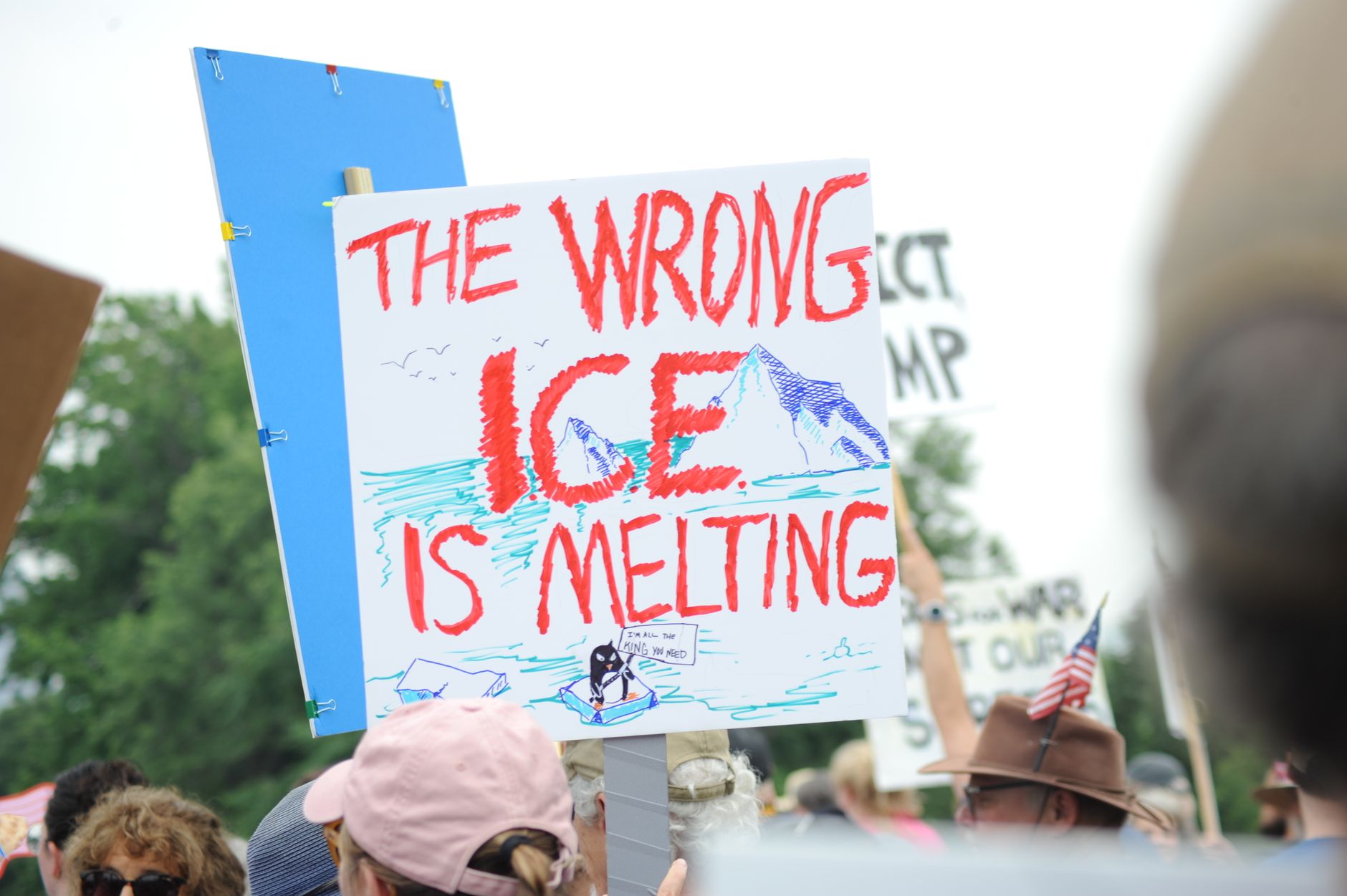
Immigration and Customs Enforcement (ICE) traffic stops are a controversial enforcement tactic that has intensified under the Trump administration, with operations resuming or expanding following periods of scrutiny or operational pauses. These stops—routine traffic interventions used to check immigration status—have drawn criticism for their role in encounters that can escalate quickly, particularly when armed agents interact with drivers in uncontrolled roadside environments. The practice remains contentious because it blurs the line between routine traffic enforcement and immigration enforcement, creating unpredictable confrontations that can put both officers and drivers at heightened risk.
Recent fatal incidents involving ICE agents and drivers have reignited debates over the safety protocols and training standards governing these operations. When officers are armed, stops intended as immigration checks can transform into armed encounters within seconds, especially if a driver is unaware that ICE agents (not local police) have initiated the stop, or if a driver attempts to flee. The resumption or continuation of these operations despite such incidents reflects the administration’s prioritization of immigration enforcement over previous concerns about safety outcomes.
Table of Contents
- Why Do ICE Traffic Stops Remain Contentious Despite Safety Incidents?
- The Training and Accountability Gap in ICE Operations
- The Role of Confusion in Escalation During ICE Stops
- How Traffic Stop Data Could Change ICE Enforcement Decisions
- The Escalation Risk Inherent in Armed Traffic Enforcement
- Local Police and ICE Coordination Issues
- Precedent and Future Enforcement Patterns
Why Do ICE Traffic Stops Remain Contentious Despite Safety Incidents?
ICE traffic stops operate in a gray zone between civil immigration enforcement and criminal traffic law enforcement. Unlike state police who conduct traffic stops for moving violations, ICE agents may pull over vehicles based on suspected immigration status of occupants—a justification that doesn’t require the typical probable cause threshold used in traditional criminal stops. This distinction matters because drivers and passengers may not understand why they’ve been stopped, may panic, or may flee, escalating the situation. The stopping agent may be armed and authorized to use force if they perceive a threat.
Incidents where traffic stops have resulted in fatal outcomes highlight the structural risk of this model. When a stop is initiated without clear legal basis rooted in a traffic violation, and when the driver’s actions (such as attempting to leave the scene) are met with armed response, the outcome can be fatal. Training variations among ICE agents—who come from different federal agencies with different protocols—create inconsistency in how stops are conducted. A driver pulled over in one jurisdiction may experience a fundamentally different interaction than one in another area, depending on the agent’s background and the local policies governing escalation.
The Training and Accountability Gap in ICE Operations
federal immigration enforcement agencies operate with less transparency and external oversight than local police departments. Most local police departments have body camera programs, civilian complaint processes, and community review mechanisms. ICE operations, by contrast, operate under federal authority with limited public visibility into incident investigations or disciplinary outcomes. When fatalities occur during ICE traffic stops, the resulting investigations are often conducted internally by federal agencies, creating a perception—and sometimes a reality—of limited accountability.
The training standards for armed traffic stops are not uniformly applied across all ICE personnel. Some agents may come from federal law enforcement backgrounds with extensive training in de-escalation; others may have less rigorous preparation for high-stress roadside encounters. The absence of standardized, public training protocols for traffic stops creates risk because agents may rely on outdated or inconsistent techniques when handling armed confrontations on roadways. Additionally, there is limited data on how often ICE traffic stops result in serious injury or death, as this information is not systematically compiled or released to the public. This information gap makes it impossible for the public, policymakers, or even local law enforcement to understand the full scope of outcomes.
The Role of Confusion in Escalation During ICE Stops
Many drivers and passengers are unaware that ICE has the authority to conduct traffic stops at all, much less for immigration purposes. When stopped by unmarked or partially marked vehicles by agents in plain clothes or partial federal uniforms, occupants may perceive the encounter as a carjacking, kidnapping, or abduction rather than a lawful police action. This confusion can trigger defensive or evasive responses—including attempts to flee, lock doors, or resist the stop—which agents may interpret as threats justifying armed response.
The language barrier compounds this risk. Immigrant communities, who are the primary targets of immigration traffic stops, may have limited English proficiency and may not understand commands or the legal nature of the stop. An agent shouting commands that are misunderstood can quickly escalate to a situation where the driver’s confused response is interpreted as non-compliance, leading to drawn weapons and potentially fatal force. Documented cases show drivers shot or killed after stops they did not understand were lawful, highlighting the lethal consequences of this gap between officers’ intentions and civilians’ understanding.
How Traffic Stop Data Could Change ICE Enforcement Decisions
If the trump administration and ICE were to publish comprehensive data on all traffic stops conducted—including the race and ethnicity of drivers, the basis for initiating each stop, the outcome, and any use of force—the public would have a clearer picture of whether these operations are targeting particular communities disproportionately and what the actual rate of serious harm is. Comparative analysis with local police traffic stop data would reveal whether ICE operations have higher rates of violence than standard law enforcement traffic stops, which could inform policy decisions about when and how immigration traffic stops should be conducted. The absence of such transparency creates a credibility problem for the administration’s claims that these operations are conducted safely and without bias.
📨 Get Free Accountability Coverage Alerts
Free · No spam · Unsubscribe anytime
Other federal agencies, including the FBI and DEA, publish crime statistics and maintain oversight mechanisms that allow the public to scrutinize their operations. ICE’s resistance to similar transparency suggests either that the data is not being collected (a process problem) or that the data, if compiled, would contradict official characterizations of safety and fairness. Without mandated data collection and public reporting, agencies can resume operations following incidents without demonstrating that the underlying problems have been addressed.
The Escalation Risk Inherent in Armed Traffic Enforcement
Armed traffic stops are fundamentally different from unarmed interviews or document checks. The presence of weapons, trained use-of-force authorities, and the closed environment of a vehicle during a roadside stop create conditions where minor misunderstandings or rapid movements can result in shots fired. A driver reaching for a license in a glove compartment, a passenger opening a door to exit, or a vehicle slowly moving forward to clear the roadway can all be interpreted by armed agents as threatening actions. Unlike interactions in controlled settings, roadside stops offer no time for de-escalation, no witnesses to verify what happened, and no ability for the driver to comply with contradictory commands.
The risk is amplified when the stop itself is controversial—that is, when the driver questions the legality of the stop or refuses to comply with orders to exit the vehicle. A driver may believe the stop is not lawful (particularly if they were targeted based solely on appearance or accent) and may resist, believing they have a right to do so. Agents, trained to secure compliance, may respond with force. The outcome can be fatal before any court ever addresses whether the stop was legal in the first place. A shooting during an unlawful traffic stop does not retroactively make the stop lawful, but by then the harm is permanent.
Local Police and ICE Coordination Issues
Many local police departments have policies limiting their cooperation with ICE during traffic stops, precisely because of liability and safety concerns. When local officers conduct a stop for a traffic violation and call ICE to the scene, they are transferring control of the situation to federal agents with different authorities and accountability structures. If a subsequent shooting occurs, the local department may be held liable even though ICE agents conducted the enforcement.
This liability concern has led many departments to decline to participate in ICE operations, effectively limiting ICE’s operational footprint in certain jurisdictions. The Trump administration has pressured local departments to cooperate more fully with ICE, but this cooperation creates new risks. Local officers trained in community policing and de-escalation techniques must defer to ICE agents who may operate under different protocols. The result is a patchwork of operations where safety standards depend on which agency is leading the stop and what local policies, if any, are in place to govern collaboration.
Precedent and Future Enforcement Patterns
When federal agencies resume operations following fatal incidents without major changes to procedures, policies, or training, they signal that the incidents are treated as isolated tragedies rather than systemic problems requiring reform. The resumption of ICE traffic stops after shooting incidents suggests that the administration views the incidents as acceptable costs of enforcement rather than failures of the enforcement model itself.
This precedent matters because it communicates to agents that escalation resulting in fatalities will not trigger policy changes, potentially emboldening more aggressive tactics in future stops. The alternative would be to pause operations, conduct a thorough review of training, policies, and accountability mechanisms, and only resume with demonstrable safeguards. This has not been the pattern in this administration, indicating that traffic stops will likely continue to result in occasional fatalities as a baseline operational reality rather than an outcome that triggers systemic reconsideration.
- —
You Might Also Like
- Trump Administration Orders ICE to Reinstate Traffic Stops; Jay Clayton Confirmation Proceeding Continues
- Editorial Voices: Coastal Commission Needs Protection From Trump Administration Regulatory Interference
- Why Donald Trump Reversed Course and Embraced Cryptocurrency Investment Strategy