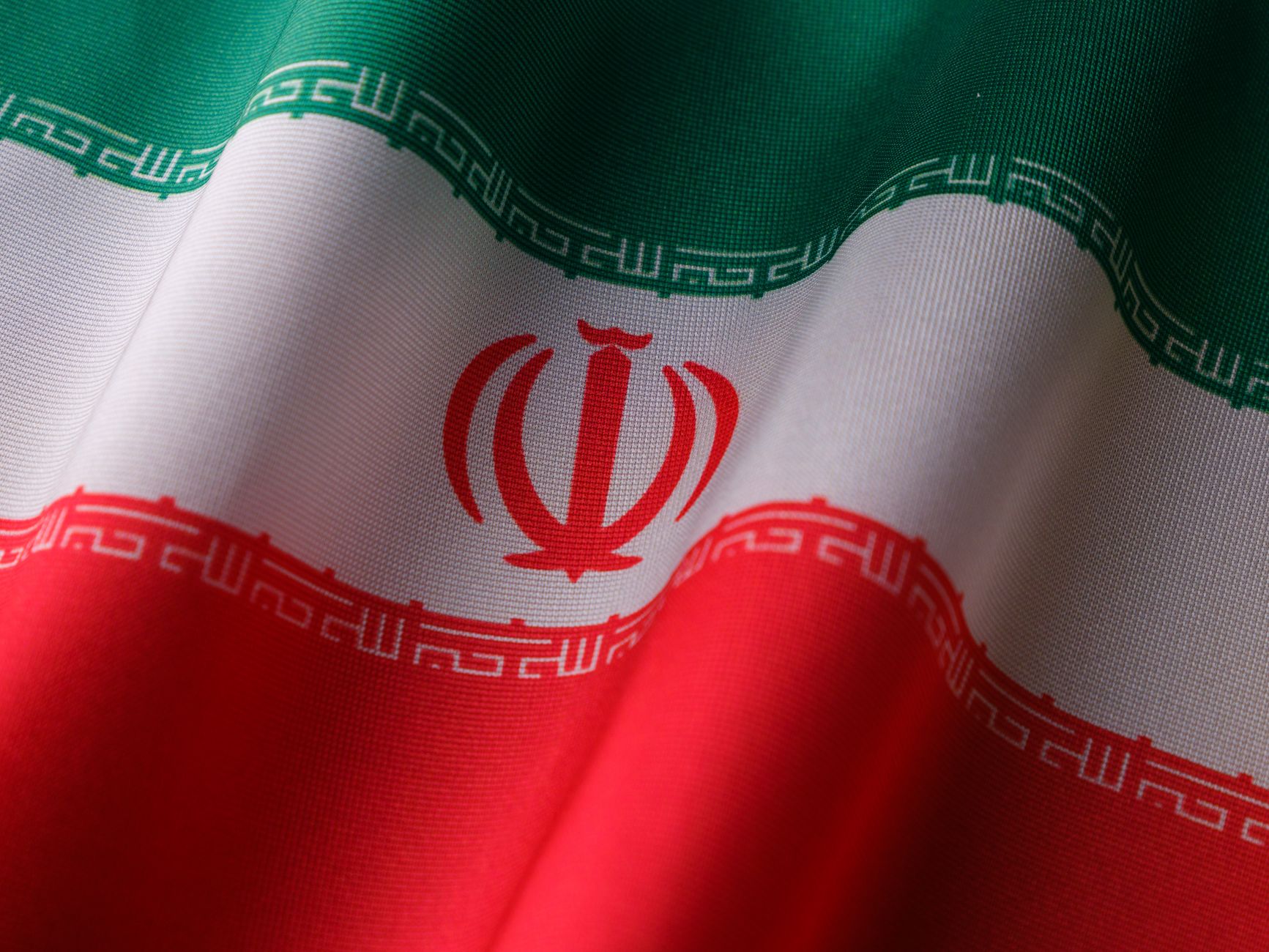
Yes, under the U.S.-Iran peace framework announced in June 2026, Iran can potentially access up to $300 billion, but with significant restrictions and conditions attached. The fund is not a government handout or reparations payment. Instead, it operates as a private investment vehicle—a pool of capital from international companies willing to finance Iran’s reconstruction in exchange for long-term economic returns. As of mid-June 2026, more than half of the $300 billion in commitments had already been secured from corporations in South Korea, Japan, Singapore, Malaysia, and the United States. The framework itself emerged from an attempt to end the military conflict that began on February 28, 2026, when U.S.
and Israeli forces attacked Iran. The deal was signed digitally by both U.S. and Iranian officials, with a formal ceremonial signing scheduled for Switzerland. However, the Trump administration has publicly disputed aspects of the $300 billion fund structure, expressing concerns about the mechanism and calling it into question in media statements dated June 16–18, 2026. Understanding what this $300 billion actually is—and what it is not—is essential for anyone tracking U.S. foreign policy, sanctions regime changes, or the geopolitical implications of U.S.-Iran relations.
Table of Contents
- How Does the $300 Billion Private Investment Fund Actually Work?
- Private Capital vs. Government Aid—What’s the Actual Difference?
- Which Companies and Countries Are Backing the $300 Billion Fund?
- What Must Iran Do to Actually Receive the Money?
- The Strait of Hormuz and Why Control of That Waterway Matters
- Trump Administration Concerns About the Fund Structure
- When Does the Fund Begin Distributing Money and What Are the Implementation Timelines?
How Does the $300 Billion Private Investment Fund Actually Work?
The $300 billion fund is structured as a private investment vehicle, not as direct government grants, foreign aid, or humanitarian assistance. No U.S. government money is being transferred to iran, and no public funds are at play. Instead, private companies from multiple nations have committed capital to establish a fund that will finance reconstruction projects in Iran.
These investors expect to recover their capital plus returns—this is not charity. The investment model functions similarly to post-conflict reconstruction funds used after other major conflicts. International investors identify infrastructure, energy, technology, and industrial projects in Iran and finance them in exchange for long-term contracts, equity stakes, or profit-sharing agreements. The difference from traditional foreign aid is the explicit profit motive: these companies are investing with the expectation of financial gain, not geopolitical goodwill. This private structure also means the fund operates outside direct government control, which reduces political interference but raises questions about accountability and transparency in how projects are selected and managed. As of June 16, 2026, reporting indicated that more than 50 percent of the $300 billion had already been committed by international corporations, demonstrating significant corporate appetite for post-conflict Iranian reconstruction opportunities.
Private Capital vs. Government Aid—What’s the Actual Difference?
A crucial distinction often lost in headlines: this is private investment, not government reconstruction assistance like the Marshall Plan after World War II. The Marshall Plan involved direct U.S. government expenditure to rebuild Europe. The Iran fund involves corporate capital seeking returns. This difference matters because it changes the nature of leverage, accountability, and long-term strategic outcomes.
When companies invest private capital, they demand returns and protection of their assets. This creates a different dynamic than government-to-government aid. If Iran fails to honor its commitments or the security situation deteriorates, private investors can—and will—halt funding, seize assets, or pursue legal claims. Conversely, private investors have less tolerance for political risk, which means capital may flee quickly if conditions change. The Trump administration’s public skepticism about the fund structure suggests concern about whether private investors will actually follow through or whether the commitments are merely paper pledges without substance behind them. The limitation here is transparency: private investment funds typically operate with less public disclosure than government aid programs, making it difficult for taxpayers or watchdog organizations to monitor how money is spent or which projects are prioritized.
Which Companies and Countries Are Backing the $300 Billion Fund?
Corporate investors from at least five nations have made commitments: South Korea, Japan, Singapore, Malaysia, and the United States. These are primarily developed and developing economies with significant capital markets and industrial capacity. South Korean conglomerates and Japanese trading houses have long-standing expertise in post-conflict reconstruction and are likely major contributors. U.S. companies have also made commitments, raising questions about how American firms navigate the legal landscape of sanctions and export controls, even under a sanctions-relief framework.
The involvement of Asian investors is significant: it reflects Iran’s geographic and economic tilt toward Asian supply chains and markets. Rather than seeking reconstruction capital primarily from Europe or the broader Western world, the fund draws heavily from Asia-Pacific economies. This shift suggests Iran may be consciously diversifying its economic partnerships away from Western dependence, which has strategic implications for the region’s geopolitical alignment. A notable limitation: the specific names of investors and the exact amount each company or country has committed have not been publicly disclosed. While sources report that over 50 percent of the $300 billion is committed, the lack of transparency about which corporations are involved, what projects they’re funding, and what terms govern their investments means the public cannot independently verify the credibility of these commitments.
What Must Iran Do to Actually Receive the Money?
Iran’s access to the $300 billion is contingent on meeting specific obligations under the peace framework. The most explicit condition: Iran cannot use funds to support terrorism or destabilize the region. This language is deliberately broad and gives the U.S. (and potentially the signatories of the fund) grounds to suspend payments if Iran is deemed in violation. Secondary conditions include fulfilling other commitments in the broader peace agreement, though the full text of those obligations has not been fully disclosed in public reporting. The framework also requires Iran to allow the Strait of Hormuz to remain open and unblocked—a critical economic artery through which roughly 20 percent of global oil passes daily. If Iran blockades the strait or engages in actions that threaten shipping, the U.S.
📨 Get Free Accountability Coverage Alerts
Free · No spam · Unsubscribe anytime
and its allies have threatened military action and could justify halting the fund. This condition is explicitly tied to Iran’s ability to collect the money and represents a hard economic lever in the hands of the United States and international investors. A critical warning: the conditions are vaguely defined in public statements. Terms like “destabilize the region” or “support terrorism” are subjective and can be interpreted differently by different signatories. This ambiguity creates risk for Iran—the country could face accusations of violating the agreement and lose access to funds based on contested interpretations of what constitutes a violation. Conversely, the vagueness also gives the U.S. flexibility to enforce the agreement according to its strategic interests.
The Strait of Hormuz and Why Control of That Waterway Matters
The peace framework explicitly includes provisions for reopening the Strait of Hormuz and halting the U.S. blockade that had been imposed on Iran since February 2026. Control of this strait is economically critical: approximately 21 percent of global petroleum trade passes through it daily, and blockading it disrupts energy markets worldwide. The U.S. military blockade had severely restricted Iran’s oil exports and created leverage for negotiations. Lifting the blockade is one of Iran’s primary incentives to comply with the deal. However, the reopening of the strait comes with strings.
The framework agreement mandates that Iran not interfere with shipping, not conduct military exercises that threaten commercial vessels, and not restrict passage. If Iran violates these provisions—or if the U.S. perceives it is violating them—the blockade can be reimposed, and access to the $300 billion fund can be suspended. This creates a powerful enforcement mechanism: the economic benefit of open trade and the $300 billion fund depend directly on Iran’s behavior at sea. The comparison is worth noting: the strait remains under international law, not Iranian sovereignty. Iran has no legal right to close it or restrict passage by international merchants. Yet Iran’s behavior in the strait—whether it is perceived as threatening or cooperative—will directly determine its access to reconstruction capital and whether the broader conflict resolution holds.
Trump Administration Concerns About the Fund Structure
The Trump administration has publicly expressed skepticism about the $300 billion fund as described in the peace framework. In media statements from June 16–18, 2026, Trump officials have disputed the fund’s structure, questioned whether private investors will actually deliver on their commitments, and raised concerns about whether the mechanism truly serves U.S. strategic interests.
This skepticism reflects a broader Trump administration approach to foreign agreements: skepticism of multilateral frameworks and preference for bilateral leverage. The administration’s concerns appear focused on whether the private investment model will hold up under real-world conditions, whether investors will actually fund projects or merely pledge capital without follow-through, and whether Iran could use the arrangement to circumvent remaining sanctions or rebuild military capacity. These are not baseless concerns: post-conflict investment funds have historically experienced delays, project cancellations, and shifting investor interest as conditions change. The political implication is clear: even as the deal was being formalized in Switzerland, the administration that negotiated it was publicly calling parts of it into question—a position that could complicate implementation and investor confidence.
When Does the Fund Begin Distributing Money and What Are the Implementation Timelines?
The formal ceremonial signing of the framework was scheduled for Friday in mid-June 2026 in Switzerland, following the earlier digital signature by U.S. and Iranian officials. However, a signed agreement is not the same as an operational fund. Implementation typically requires months of detailed negotiation over which projects qualify for funding, how disbursements are verified, and how disputes are resolved. Project selection itself is contentious: will the $300 billion fund infrastructure, energy projects, technology sectors, or some combination? The specific timeline for first disbursements has not been publicly announced.
Historically, post-conflict investment funds take 6 to 18 months to operationalize, even after formal agreements are in place. Investors need time to conduct due diligence, negotiate project terms, and establish governance structures. If the timeline extends significantly—as these initiatives often do—Iran’s incentive to comply with the deal’s conditions could erode, particularly if the country faces immediate economic hardship from ongoing sanctions or other restrictions. The on-the-ground implementation challenge is substantial: companies from at least five nations will need to coordinate across legal, regulatory, currency, and geopolitical obstacles. Disagreements over project approval could delay or derail funding. If political tensions re-emerge—whether over alleged violations of the framework or from external pressure—the private investors could withdraw, leaving Iran without the reconstruction capital it was promised.
You Might Also Like
- The $300 Billion Iran Fund Explained: Who Pays and Who Benefits
- Why the Iran Deal’s $300 Billion Fund Is Not a Direct U.S. Payment
- No, the U.S. Is Not Writing Iran a $300 Billion Check