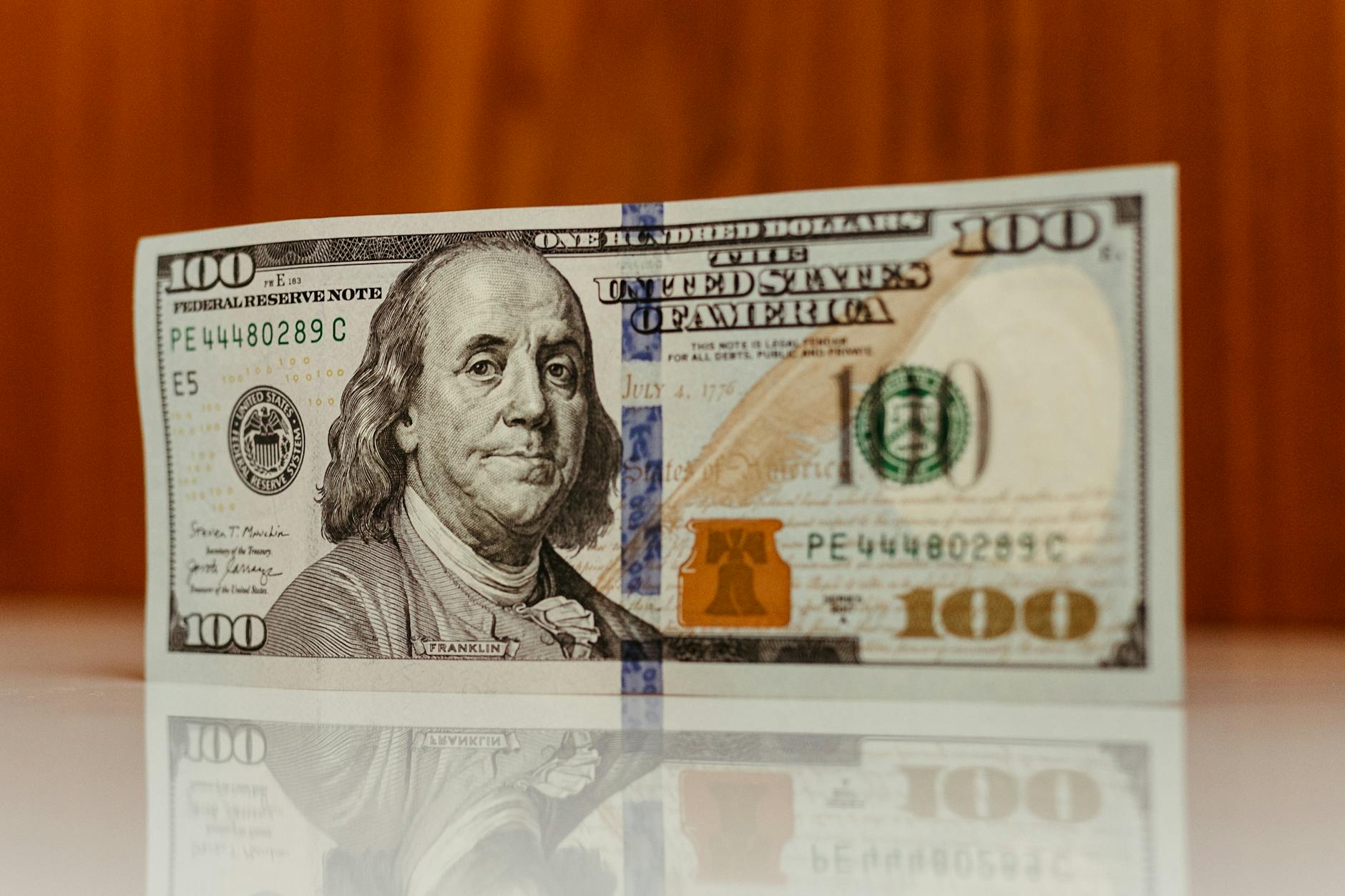
Yes, Trump received money from Saudi sources through various business transactions, though the extent and nature of these dealings have been subjects of ongoing debate and scrutiny. Trump’s business empire has maintained financial relationships with Saudi Arabia through luxury hotel stays at Trump properties, real estate investments, and business partnerships spanning decades before, during, and after his presidency. The Trump Organization received millions in payments from Saudi Arabia—including approximately $4.5 million paid by Saudi Arabia’s government for hotel rooms at Trump’s Washington D.C. property (the Trump International Hotel) during his presidency alone, according to financial records reviewed by news organizations and confirmed in court filings.
The key distinction is between Trump personally receiving payments versus his business entities receiving money. Trump does not have a direct personal bank account receiving Saudi money, but he controls Trump Organization entities that profit from Saudi business. When Saudis book luxury hotel rooms at Trump properties, when they invest in Trump development projects, or when they hire Trump’s businesses for consulting or events, these transactions generate revenue that ultimately benefits Trump as the organization’s owner and majority stakeholder. This arrangement raises questions about conflicts of interest and whether Trump’s policy decisions as president were influenced by financial interests in maintaining Saudi relationships.
Table of Contents
- What Business Dealings Has Trump Conducted With Saudi Arabia?
- The Investment and Real Estate Component
- Government Payments and Official Spending
- Comparing “Taking Money” Across Different Scenarios
- The Conflict of Interest Problem and Potential Influence
- How This Compares to Past Presidents
- What Has Been Done About This, and What Comes Next?
- Conclusion
What Business Dealings Has Trump Conducted With Saudi Arabia?
trump‘s financial ties to Saudi Arabia extend back to the 1990s, predating his political career. The Trump Organization has been involved in several significant deals with Saudi investors and entities. In 2001, Saudi investor Prince Alwaleed bin Talal purchased a substantial stake in Trump Entertainment Resorts for $140 million, becoming a major shareholder. Trump later bought out Alwaleed’s stake when the company faced financial difficulties, but this represented a significant Saudi investment in Trump enterprises during a critical period for his businesses.
More recent examples include Saudi purchases of condominiums in Trump buildings in New York and other major cities, transactions that are part of normal real estate business but concentrate foreign wealth in Trump properties. The Trump International Hotel in Washington, D.C., opened in 2016 just before Trump’s election, became a focal point of Saudi Arabia’s spending at Trump properties. Saudi Arabia’s government, its royal family members, and Saudi-affiliated entities spent over $4.5 million on hotel rooms, events, and services at this property during Trump’s four-year presidency, according to financial records obtained by CNN and other news organizations. This was not a one-time event but rather a pattern of behavior—Saudi delegations, business people, and officials consistently chose Trump properties for their Washington stays, which some observers argue reflects either business pragmatism (Trump’s properties are indeed luxury accommodations) or potential influence-seeking behavior to maintain access to the president and his administration.

The Investment and Real Estate Component
Saudi Arabia and Saudi-connected investors have been involved in Trump real estate projects, though the scope is smaller than his dealings with other foreign nations. The Trump Organization has pursued development opportunities in Saudi Arabia itself, though these have been less successful than some of his other international ventures. A more significant component involves Saudi investors and entities purchasing units in Trump-branded residential properties worldwide, which provides capital for Trump’s development projects and ongoing cash flow. These are arm’s-length real estate transactions—the Saudis are purchasing properties as investments or residences, not making charitable donations—but they nonetheless represent a financial dependency between Trump and Saudi interests. The limitation here is distinguishing between normal international real estate business and problematic foreign influence.
Real estate developers worldwide seek investment capital from wealthy foreign investors, including from Gulf states. However, when a U.S. president’s family business maintains significant ongoing financial relationships with a foreign government, the potential for conflicts of interest becomes acute. Trump did not divest from his businesses upon taking office—he placed them in a trust managed by his sons, but he continued to receive profits. This means that while president, Trump had direct financial incentive to maintain positive relationships with Saudi Arabia, and Saudi entities had incentive to continue investing in and using Trump properties as a form of access and relationship-building. This created a potential feedback loop where business interests might influence policy decisions.
Government Payments and Official Spending
The most direct “money from Saudis” came through official government expenditures. Beyond the Trump International Hotel bookings, Saudi government agencies rented office space in Trump buildings, Saudi delegations paid for event hosting at Trump properties, and Saudi entities made payments for various Trump Organization services. The Trump International Hotel in Washington attracted particular scrutiny because it was located just blocks from the White house and became a venue where foreign governments and lobbyists could spend money directly supporting Trump’s business while also potentially gaining access to government officials. Transparency reports and financial disclosures showed that during the Trump presidency, Saudi Arabia increased its use of Trump properties compared to previous years.
While Trump supporters argued this was simply Saudi Arabia making normal business decisions—booking the best hotel in Washington for their diplomats and delegations—critics pointed out that the timing was suspicious. Saudi delegations could have stayed at many five-star hotels in the nation’s capital, yet they chose Trump properties at elevated rates. Some delegations paid premium prices well above standard hotel rates for the same rooms, suggesting these may have been payments for access or relationship-building rather than standard commercial transactions. The Trump Organization rarely disclosed the specifics of these transactions, making it difficult to assess whether the payments represented fair market value or represented a form of unofficial subsidy to Trump’s business.
Comparing “Taking Money” Across Different Scenarios
When evaluating whether Trump “took money” from Saudis, it’s important to distinguish between different categories of transactions. First, there are direct business transactions where Saudis purchase services or goods from Trump entities—hotel rooms, real estate, consulting services. These occur at negotiated prices and are documented business dealings. Second, there are investments in Trump entities where Saudis purchase ownership stakes or become financial partners in projects. Third, there are luxury purchases where wealthy Saudis buy Trump-branded real estate as investments. Finally, there is government spending where Saudi Arabia’s government uses Trump properties for official purposes.
The critical difference is between passive receipt of legitimate business revenue versus active solicitation of foreign money based on political position. Trump can legitimately argue that his businesses conducted normal commercial transactions with Saudi entities, just as they did with Chinese, Indian, British, and other international investors. However, the timing, scale, and concentration of Saudi spending at Trump properties specifically during his presidency suggests a different dynamic than ordinary business competition. Trump’s defenders note that he did maintain generally pro-Saudi policies and avoided public criticism of Saudi Arabia’s record on human rights or regional conflicts—but this mirrors the foreign policy of multiple U.S. administrations. His critics argue the financial incentives created a clear conflict of interest that was never properly managed because Trump did not divest from his businesses.
📨 Get Free Accountability Coverage Alerts
Free · No spam · Unsubscribe anytime
The Conflict of Interest Problem and Potential Influence
The core concern raised by government accountability advocates and ethics experts is whether these financial relationships created conflicts of interest that influenced Trump’s policy decisions. Saudi Arabia is a strategic Middle East ally with significant geopolitical importance, oil reserves, and military relationships with the U.S. government. It is also a monarchy with a documented record of human rights violations, a major supporter of the Sunni side in regional sectarian conflicts, and a country whose foreign policy interests do not always align with stated U.S. values. During Trump’s presidency, his administration pursued policies that were widely viewed as favorable to Saudi Arabia. These included a strong stance against Iran (Saudi Arabia’s regional rival), support for the Saudi-led intervention in Yemen’s civil war, weapons sales approval to Saudi Arabia, and a delayed response to Saudi Arabia’s involvement in the assassination of journalist Jamal Khashoggi.
Trump argued that his policies were in America’s national interest regardless of financial considerations, and that criticizing Saudi Arabia would be counterproductive to U.S.-Saudi relations. However, ethics observers noted that the financial incentive was always present: the more favorably Trump treated Saudi Arabia, the more likely Saudi entities would continue investing in and using Trump properties, and the more profits would flow to Trump and his family. This created a warning sign about undisclosed potential influence, even if definitive proof of quid pro quo arrangements is lacking. A significant limitation in analyzing this issue is the lack of complete transparency. Trump’s businesses are private companies, and while some financial information emerged through investigative journalism and court filings, comprehensive details about the scope and terms of Saudi dealings remain undisclosed. Trump Organization leadership argued that excessive disclosure would compromise business operations and client privacy. However, from a government accountability perspective, the absence of transparency is itself problematic when a sitting president’s private businesses maintain financial relationships with foreign governments.

How This Compares to Past Presidents
It’s worth noting that foreign investment in U.S. real estate and business entities is not unusual, and past presidents have held private business interests with foreign connections. However, Trump’s situation was distinctive in several ways. First, Trump maintained direct control and profit interest in his businesses while serving as president, rather than divesting or placing assets in a truly blind trust. Second, the scale of Trump’s personal brand leverage meant that foreign governments and investors were specifically seeking to do business with “Trump” properties—not generic real estate that happened to be owned by someone who became president, but properties explicitly branded with the president’s name and leveraging his reputation.
Third, the Trump International Hotel in Washington was literally a few blocks from the White House, making it a deliberate venue for foreign interests to spend money while maintaining proximity to presidential power. Comparisons to George W. Bush or Barack Obama’s business interests are imperfect because their holdings were either divested upon taking office or did not maintain the same direct personal brand connection. Obama did not own luxury hotels with his name on them that foreign governments could use as access points. Bush placed his assets in a trust and was not involved in business decisions. Trump’s model of maintaining active business involvement through his family while profiting from those businesses was relatively unusual for modern presidents, though not without historical precedent.
What Has Been Done About This, and What Comes Next?
Government accountability organizations, news organizations, and congressional Democrats conducted investigations into Trump’s foreign business dealings during and after his presidency. The House Oversight Committee and other bodies requested financial records and documentation about Saudi spending at Trump properties. Trump’s team generally resisted these requests, citing business confidentiality and questioning the legitimacy of congressional oversight of private business matters.
Litigation in various cases has produced some document releases, but the process has been slow and incomplete. Moving forward, the questions remain unresolved from a policy perspective: Should future presidents be required to divest from or place all business interests in blind trusts? Should there be stricter disclosure requirements about foreign government spending at properties owned by sitting presidents? Should investments from foreign governments or state-owned entities in a sitting president’s businesses be prohibited outright? These are not merely questions about Trump specifically but about how to structure rules to prevent future presidents from facing similar conflicts of interest. Whether or how Congress will address these questions through legislation remains to be seen, but the Trump presidency has highlighted gaps in existing ethics and disclosure rules that advocates argue need to be addressed to protect government integrity.
Conclusion
The factual answer to the question “Did Trump Take Money from Saudis?” is yes—Trump’s business entities received millions of dollars from Saudi Arabia and Saudi-connected entities through hotel payments, real estate transactions, and business services. The more important question is what that means: whether these were normal business transactions or evidence of improper foreign influence. Trump maintains that his businesses conducted standard commercial transactions and that his foreign policy was based on U.S.
national interests. Critics argue that the financial incentives created undisclosed conflicts of interest and that the combination of Trump’s continued business ownership, the concentration of Saudi spending at his properties, and his administration’s pro-Saudi policies requires explanation and accountability. What remains clear is that the Trump presidency exposed significant gaps in U.S. ethics and disclosure rules, and these questions about the intersection of presidential power, personal business interests, and foreign government financial relationships will likely influence how future administrations structure their governance and transparency obligations.
You Might Also Like
- Did Trump Take Money from UAE?
- Did Trump Take Money from Qatar?
- Trump House Owner Dies, Family Questions Whether Display Made Him a Target