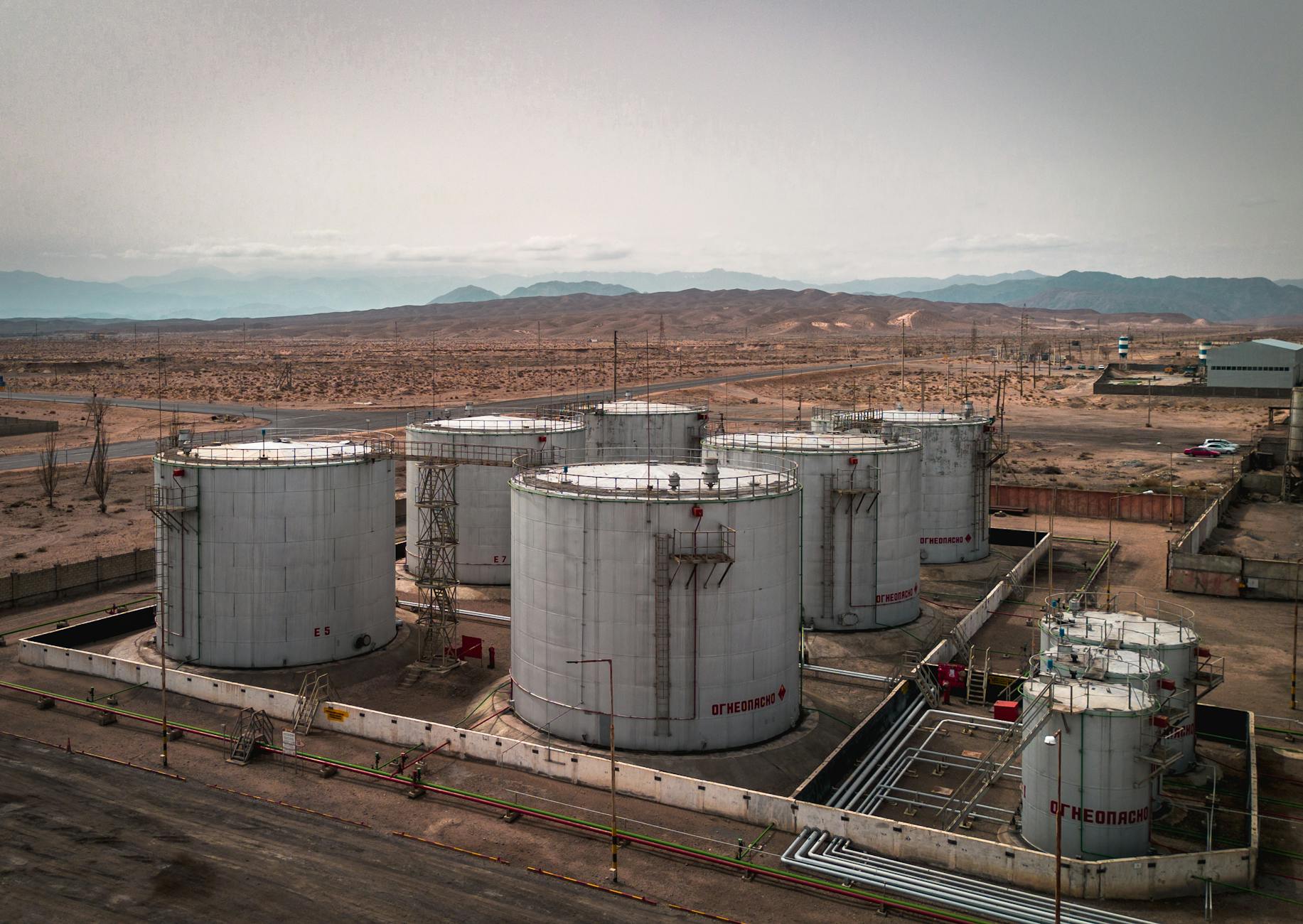
Oil prices are directly responsible for how much Americans pay to move goods and travel from point A to point B. As of May 2026, crude oil prices are severely elevated due to supply disruptions from the U.S.-Iran conflict and the closure of the Strait of Hormuz since late February, which has removed approximately 14 million barrels per day from global markets. With WTI crude trading between $94.68 and $95.42 per barrel and Brent crude between $100.49 and $104.07 per barrel, these costs are cascading directly into every transportation sector—from the price you pay at the pump to the cost of shipping refrigerated goods across the country. The impact is measurable and immediate. U.S.
retail gasoline prices are forecast to average $3.70 per gallon in 2026, up significantly from $3.10 in 2025, and crude oil prices are 55% higher than they were in May 2025. For consumers, this means higher costs every time they fill up a vehicle. For businesses, the consequences are even more severe: refrigerated trucking costs have effectively doubled because operators must fuel both a tractor and a refrigerated unit, detours caused by supply chain disruptions are adding 10 or more days to transit times, and some routes are now costing trucking companies over $1 million in additional fuel expenses per voyage. This disruption is not temporary noise in the market—it represents a structural shift in global energy supply that will ripple through the American economy for the remainder of 2026 and into 2027. Understanding these price movements and their effects on transportation costs is essential for anyone planning travel, running a logistics business, or advocating for accountability in how energy crises affect ordinary people.
Table of Contents
- How Are Crude Oil Prices Affecting Your Travel and Transportation Costs?
- Why Are Crude Oil Prices So High Right Now? Understanding the Strait of Hormuz Disruption
- Impact on Commercial Transportation, Trucking, and Logistics
- What’s the Forecast? When Will Oil and Gas Prices Stabilize?
- Hidden Costs Beyond the Pump: Supply Chain Inflation and Hidden Price Increases
- How Geopolitical Conflict Affects Your Wallet: The Iran Factor
- Looking Ahead: What Energy Markets Mean for Transportation in 2027
- Conclusion
How Are Crude Oil Prices Affecting Your Travel and Transportation Costs?
The relationship between crude oil prices and what you pay to drive is straightforward: oil is the primary component of gasoline and diesel fuel. When crude prices spike, gas prices follow within days. Currently, the combination of U.S.-Iran tensions and the Strait of Hormuz closure has created one of the tightest supply situations globally, pushing prices to levels not seen earlier in 2026. Brent crude is trading above $100 per barrel, and analysts at J.P. Morgan expect prices to peak at $115 per barrel during the second quarter of 2026 before declining later in the year.
For a typical family planning a road trip before Memorial Day, this matters significantly. Gasoline at $3.70 per gallon means a 300-mile trip in a vehicle with a 15-gallon tank will cost roughly $55.50 in fuel—about 30% more than it would have at 2025 prices. Longer trips or vehicles with lower fuel efficiency face substantially higher costs. Airlines are also affected, as fuel is one of their largest operating expenses. Higher oil prices typically translate to fuel surcharges on plane tickets or pressure on airlines to reduce routes to less profitable markets, which can limit travel options in smaller cities.

Why Are Crude Oil Prices So High Right Now? Understanding the Strait of Hormuz Disruption
The primary driver of elevated crude prices is the closure of the Strait of Hormuz due to the U.S.-Iran conflict that escalated in late February 2026. This waterway is critical to global energy supply—roughly 21% of all crude oil that crosses the world’s oceans passes through the Strait, making its closure catastrophic for market supply. The disruption has forced middle east producers including Iraq, Saudi Arabia, Kuwait, the United Arab Emirates, Qatar, and Bahrain to shut in production, with volumes reaching 7.5 million barrels per day in March 2026 and expected to rise to 9.1 million barrels per day by April. This supply shock has no quick fix.
Even if diplomatic negotiations were to succeed immediately, reopening the Strait and bringing shut-in production back online would take weeks or months. In the meantime, traders are pricing crude as if tight supplies will persist through at least the second quarter of 2026. The risk here is significant: if the geopolitical situation deteriorates further, supplies could tighten even more, pushing prices toward or beyond the $115 per barrel level that analysts are forecasting for Q2. Conversely, a diplomatic breakthrough could cause rapid price declines that would provide relief at the pump but create uncertainty for businesses that have already locked in higher transportation costs.
Impact on Commercial Transportation, Trucking, and Logistics
The trucking and logistics industry is bearing an outsized burden from elevated crude prices because fuel is their largest controllable expense. Refrigerated trucking is particularly hard-hit, with operators effectively facing double fuel costs—one fuel bill for the tractor pulling the trailer and another for the separate diesel engine that powers the refrigeration unit. This means a refrigerated truck burning 40 gallons of fuel per day at $3.70 per gallon is now spending approximately $296 daily just on fuel, compared to roughly $220 daily at 2025 prices. Over a month-long operation, this difference amounts to roughly $2,300 in additional costs.
Detours caused by supply chain disruptions are compounding the problem. When shipping routes become congested or certain corridors become too expensive to operate, logistics companies are forced to take longer routes or delay shipments, adding 10 or more days to transit times. A single voyage that now takes detours can incur over $1 million in extra fuel costs depending on the cargo, distance, and truck configuration. These costs don’t disappear—they are passed directly to consumers through higher prices on food, medicines, and consumer goods. School transportation budgets are also straining under the weight of rising fuel costs, with districts facing difficult choices about whether to maintain existing routes or reduce the frequency of bus service.

What’s the Forecast? When Will Oil and Gas Prices Stabilize?
Analysts at J.P. Morgan Global Research are forecasting that Brent crude will peak at approximately $115 per barrel during the second quarter of 2026, with prices then declining toward below $90 per barrel by the fourth quarter. This trajectory assumes that the Strait of Hormuz remains closed through mid-year but that either supply alternatives come online or demand begins to weaken as higher prices drive conservation. The average crude price for 2027 is forecasted at $76 per barrel, which would provide meaningful relief from current levels but would still represent higher prices than the pre-crisis baseline.
The practical implication is that Americans should expect sustained high gas prices through the summer travel season and into the fall. Gasoline prices may not return to 2024 levels for at least 18 months, and the higher fuel costs will remain embedded in prices for shipped goods throughout 2026. Businesses and consumers should budget accordingly. The tradeoff is that while current prices are painful, they do incentivize energy conservation and alternative transportation methods—public transit, carpool arrangements, and deferring non-essential travel all become more economically attractive at these price levels.
📨 Get Free Accountability Coverage Alerts
Free · No spam · Unsubscribe anytime
Hidden Costs Beyond the Pump: Supply Chain Inflation and Hidden Price Increases
When crude oil prices spike, the visible impact is gas prices at the pump, but the hidden costs are often larger. Every product that is transported via truck, plane, or ship will face price increases because the transportation cost component has risen. This is supply chain inflation, and it affects everything from groceries to pharmaceuticals to appliances. A family might see gasoline prices rise 19%, but their grocery bill could rise 8-12% because of the transportation costs embedded in food logistics.
One critical limitation of using crude oil futures prices to predict consumer gas prices is that there are delays and volatility in the transmission. Wholesale prices move faster than retail prices, so a sudden drop in crude could take weeks to show up at the pump. Similarly, local factors—state gasoline taxes, regional refinery capacity, and local supply—create variations in prices across the country. You might see $3.45 per gallon in one state and $4.10 in another despite trading the same crude. For consumers making purchasing decisions or businesses locking in costs, it’s important to understand that crude oil price movements are a leading indicator of transportation costs, but not a perfect real-time predictor of what you’ll pay.

How Geopolitical Conflict Affects Your Wallet: The Iran Factor
The U.S.-Iran conflict that triggered the Strait of Hormuz closure is a reminder that energy markets are deeply intertwined with geopolitical stability. Iran was previously a significant crude exporter (though under sanctions), and the escalation of tensions in 2026 has effectively removed both Iranian supply and the oil that normally flows through the Strait from other producers. This is a structural shock to global energy supply that cannot be easily replaced in the short term.
The practical consequence is that transportation costs are now partially dependent on how this geopolitical situation evolves. A ceasefire or negotiated settlement could provide rapid relief, while further escalation could push prices significantly higher. For consumers and businesses, this means acknowledging that some portion of transportation cost risk is now beyond their control and embedded in any pricing decision they make for the next 12-18 months.
Looking Ahead: What Energy Markets Mean for Transportation in 2027
The forecast for late 2026 and into 2027 shows declining crude prices trending toward $76 per barrel on average, but this baseline is still substantially higher than the pre-crisis norm. What this means is that while relief is coming, it will be measured. Transportation costs will remain elevated compared to historical norms, but the trend should be downward.
For consumers planning major purchases or travel, the second half of 2026 represents a reasonable time to execute plans before prices potentially rise again. The longer-term lesson is that crude oil markets remain vulnerable to supply disruptions, and the dominance of a single chokepoint like the Strait of Hormuz creates systemic fragility in the global economy. Whether this crisis leads to meaningful policy changes—such as investments in alternative energy, strategic petroleum reserves, or efforts to diversify shipping routes—remains to be seen. For now, Americans should expect to pay elevated transportation costs through the summer and fall of 2026, with gradual relief emerging as 2027 approaches.
Conclusion
Oil prices today are significantly elevated due to the closure of the Strait of Hormuz and supply disruptions caused by U.S.-Iran conflict, pushing crude prices to $94-$104 per barrel and driving gasoline prices to an average of $3.70 per gallon in 2026. These price increases have immediate and cascading effects on travel, transportation, and the cost of goods: family road trips are more expensive, refrigerated trucking costs have doubled, school transportation budgets are strained, and supply chain inflation is pushing prices higher across the economy.
The path forward involves watching for price peaks in the second quarter of 2026 (potentially reaching $115 per barrel) and gradual declines through the remainder of the year and into 2027. For consumers and businesses, the practical response is to budget for sustained elevated transportation costs through the summer travel season, evaluate alternative transportation methods, and monitor geopolitical developments that could either accelerate price relief or trigger further increases. Understanding the connection between crude oil prices and your own financial situation is essential for making informed decisions about spending, travel, and advocacy in a period of elevated energy costs.
You Might Also Like
- Oil Prices Today: Why Experts Are Concerned About Energy Costs
- Oil Prices Today: OPEC Decisions Could Impact Drivers Worldwide
- Oil Prices Today: Crude Oil Surges on Middle East Concerns